 Save
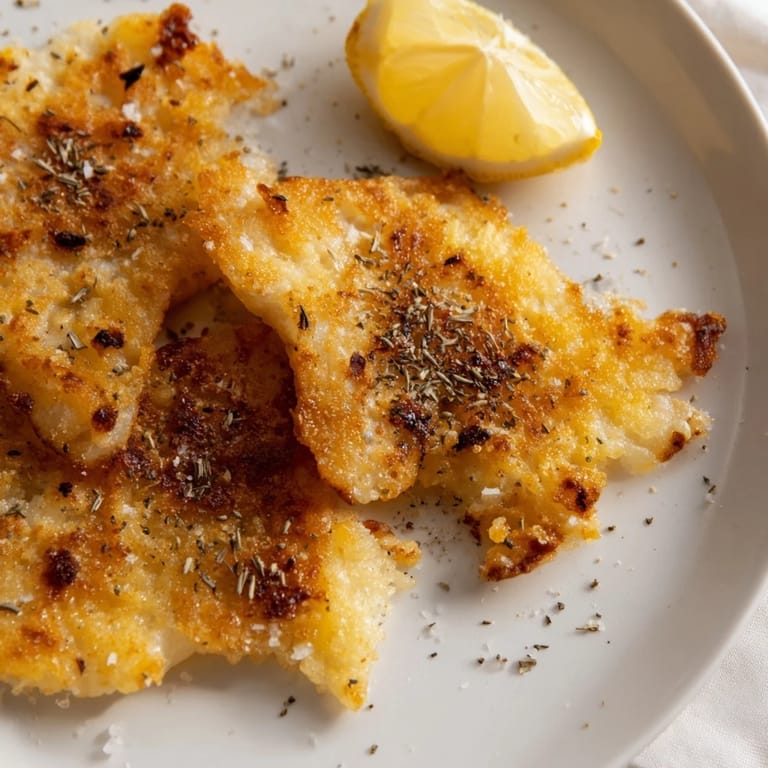
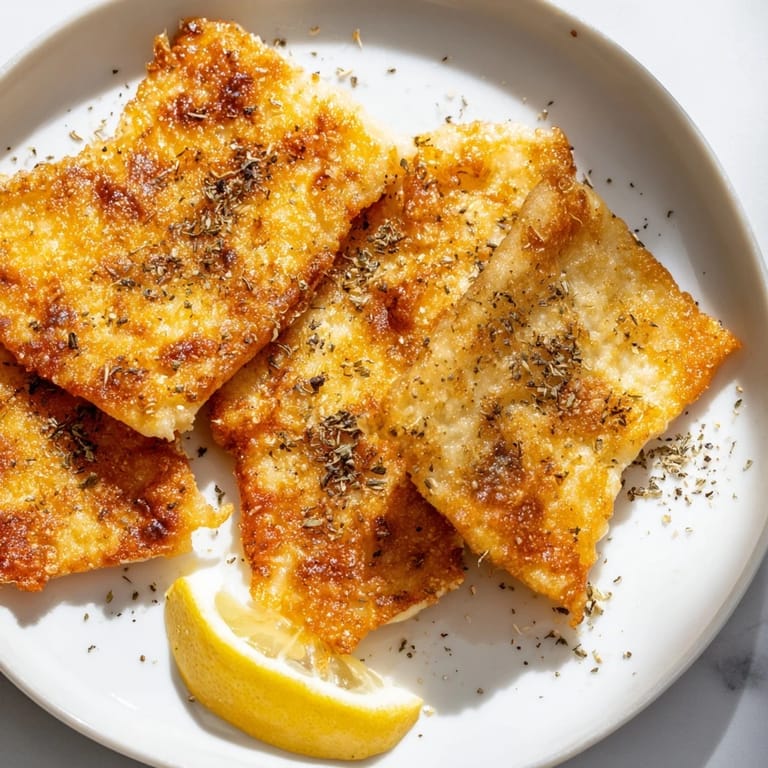
Save The first time I watched my grandmother make saganaki, I was mesmerized by the simple magic of it—a block of cheese hitting hot oil and transforming into something golden and crispy within seconds. She moved with such ease, as if the pan knew her hands, flipping each slice with perfect timing while the kitchen filled with that unmistakable sizzle and aroma. It seemed impossible that something so delicious could come together in minutes, with just cheese, flour, and olive oil. Now, whenever I make it, I'm reminded that the best dishes are often the simplest ones, the ones that don't need apologies or explanations. This is pure comfort, pure tradition, pure joy on a plate.
I remember bringing a warm plate of saganaki to a friend's dinner party, still steaming with that fresh-from-the-pan heat, and watching everyone's faces light up as they bit into one. Someone asked if it was complicated, and I loved telling them it took five minutes of actual cooking. The lemon juice hit the hot cheese and created this little moment of brightness that made the whole evening feel a bit more special. That's when I realized saganaki isn't just food—it's an instant way to make people feel welcome and cared for.
Ingredients
- Firm Greek cheese (kasseri, kefalotyri, or halloumi), 200 g, sliced into 1 cm thick pieces: The cheese is everything here; choose one that holds its shape when heated and doesn't melt into a puddle. Kasseri and kefalotyri are traditional for a reason—they have a higher melting point, so the exterior crisps before the inside liquefies.
- All-purpose flour, 2 tbsp (or gluten-free flour): This thin coating creates that irresistible crispy shell without being heavy or overwhelming the delicate cheese flavor.
- Olive oil, 2 tbsp: Use good quality olive oil; it's not hidden here, so it makes a real difference to the final taste.
- Lemon, cut into wedges: The acid cuts through the richness and brings everything into balance with a brightness that feels essential.
- Dried oregano, 1/2 tsp, and freshly ground black pepper to taste: These simple seasonings honor the Greek tradition and add subtle warmth without overshadowing the cheese.
Tired of Takeout? 🥡
Get 10 meals you can make faster than delivery arrives. Seriously.
One email. No spam. Unsubscribe anytime.
Instructions
- Dry the cheese slices:
- Pat each piece thoroughly with paper towels until there's no visible moisture on the surface. Moisture is the enemy of crispiness, so don't skip this step no matter how small it seems.
- Coat lightly in flour:
- Place flour in a shallow plate and gently press each cheese slice into it, making sure both sides are covered but not caked. Shake off any excess flour that wants to cling—you want a whisper-thin coating, not a layer.
- Heat the oil until it shimmers:
- Pour olive oil into your non-stick skillet and turn the heat to medium-high, waiting until the oil moves like liquid silk across the pan. If you have a thermometer, aim for around 350°F (175°C), but you'll know it's ready when the oil begins to shimmer and move quickly.
- Fry the cheese with confidence:
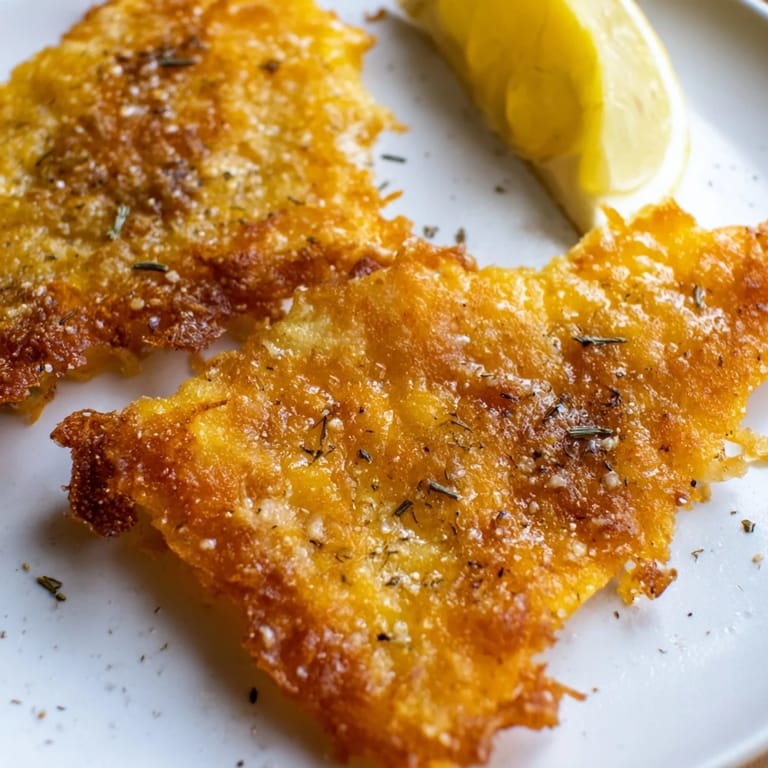
- Add your cheese slices to the hot oil and resist the urge to move them—let them sit for 1 to 2 minutes until the bottom turns golden and crispy. When you flip, you'll hear a satisfying sizzle, and after another 1 to 2 minutes on the second side, they're done.
- Drain briefly and plate immediately:
- Transfer the hot cheese to a plate lined with paper towels for just a minute to catch any excess oil. Speed matters here because you want to serve them while they're still hot and the inside is creamy and molten.
- Finish with oregano, pepper, and lemon:
- Sprinkle the warm cheese with oregano and a generous crack of black pepper, then serve with lemon wedges alongside for squeezing.
 Save
Save There was an evening when my neighbor smelled the saganaki cooking and followed the aroma to my kitchen door. We ended up sharing the warm plate with some crusty bread and a bottle of wine, talking for an hour about nothing important and everything that mattered. That's the gift of this dish—it transforms a solo moment in the kitchen into something meant to be shared.
Why Cheese Choice Matters
Not all cheese behaves the same way when it hits hot oil, and learning this was a small revelation for me. When I first tried making saganaki with soft feta, it collapsed into a puddle almost immediately, and I learned that night why Greeks specifically chose cheeses with higher melting points. Kasseri and kefalotyri have a structure that allows them to hold their shape, giving you that precious window of time to achieve a golden crust while keeping the inside warm and just-barely-melted. If you can't find traditional Greek cheeses, halloumi is a reliable substitute that behaves beautifully in the pan.
The Art of the Perfect Sizzle
Temperature is the unsung hero of saganaki, and getting it right makes all the difference between success and disappointment. Too low and your cheese slowly melts without developing that crispy, golden exterior; too high and the outside burns while the inside stays cold. I've learned that medium-high heat is the sweet spot for most home stoves, and watching the oil shimmer is your visual cue that it's ready. The moment you place the cheese in the pan, you should hear an immediate, confident sizzle—not a frantic crackle, but a purposeful sound that tells you the oil temperature is exactly where it needs to be.
Making It Your Own
While the traditional preparation is nearly perfect as-is, I've discovered small variations that keep the dish feeling fresh and personal. Some days I use a mix of oregano and thyme, or a tiny pinch of red pepper flakes for warmth, or serve it with honey drizzled alongside for those who want a touch of sweetness against the savory cheese. The foundation stays true, but there's room to play and make it match your mood and what you have on hand.
- Try adding a whisper of garlic powder or smoked paprika to your flour coating for subtle depth.
- A drizzle of good honey on the side creates an unexpected sweet-savory balance that some people find addictive.
- Serve alongside a small bowl of tzatziki for dipping if you want something cooling and herbaceous to contrast the hot cheese.
 Save
Save This is the kind of recipe that becomes a signature moment in your kitchen, something you reach for when you want to create warmth and connection with minimal fuss. Saganaki reminds us that simplicity, when executed with care and good ingredients, is all you ever need.
Recipe FAQs
- → What type of cheese is best for saganaki?
Traditional firmer Greek cheeses like kasseri, kefalotyri, or halloumi work best due to their ability to hold shape when fried.
- → Can gluten-free flour be used for coating?
Yes, substituting all-purpose flour with gluten-free flour maintains crispiness while accommodating dietary needs.
- → Why is lemon served with fried cheese?
Lemon adds bright acidity that cuts through the richness of the fried cheese, enhancing overall flavor balance.
- → What oil is recommended for frying?
Olive oil is preferred for its flavor and moderate smoke point, complementing the Greek flavors beautifully.
- → How long should the cheese be fried?
Each side should be fried 1–2 minutes until golden and crisp, ensuring a warm, tender inside.
- → Can saganaki be served cold?
It’s best enjoyed hot to appreciate its crispy texture and melty interior, so serving immediately is recommended.