 Save
Save My grandmother's kitchen smelled like cornmeal and hot oil on Friday nights, and watching her pull golden catfish from the skillet taught me that soul food isn't just about flavor—it's about knowing when something's done by listening to the sizzle and trusting your gut. Years later, I was standing in my own kitchen on a humid summer evening when a friend called asking what I was making for dinner, and I realized I'd been unconsciously recreating that exact scene. The first time I nailed this recipe, I understood why she never needed a timer; some things you feel rather than measure.
I made this for a small dinner party last spring, and a friend who'd never had proper Southern fried catfish took one bite and actually closed their eyes—that moment made me realize how powerful simple, well-executed food can be. They spent the rest of the meal asking questions about where the flavors came from, which led to a whole conversation about regional cooking and family traditions. It's funny how a plate of fried fish can become the centerpiece of an evening.
Ingredients
- Catfish fillets (4, about 6 oz each): Fresh, mild-flavored fish that stays moist during frying—this is the star, so buy the best quality you can find.
- Buttermilk (1 cup): The acid tenderizes the fish and creates a tender crust, plus it's the base for that signature Southern flavor profile.
- Hot sauce (1 teaspoon for marinade, 2 teaspoons for sauce): Adds subtle heat and depth; use your favorite brand since the flavor carries through.
- Yellow cornmeal (1 cup): This is what gives you that golden, crispy exterior—don't skip it for flour alone.
- All-purpose flour (1/2 cup): Works with the cornmeal to create a sturdy coating that won't fall apart in the oil.
- Paprika, garlic powder, onion powder, cayenne (1 teaspoon, 1 teaspoon, 1 teaspoon, 1/2 teaspoon): These spices build layers of flavor without overwhelming the fish; adjust cayenne if you prefer less heat.
- Salt and black pepper (1 teaspoon salt, 1/2 teaspoon pepper): Season generously because cornmeal coating can mute flavors slightly.
- Vegetable oil (about 1 inch for frying): Use a neutral, high-heat oil like canola or peanut oil—this matters more than you'd think.
- Mayonnaise (1/2 cup for sauce): The creamy base for remoulade; use good quality since it's a main ingredient.
- Dijon mustard (2 tablespoons): Adds sharpness and helps emulsify the sauce into something silky.
- Prepared horseradish (1 tablespoon): This gives remoulade its signature bite and complexity.
- Sweet pickle relish (2 teaspoons): A touch of sweetness and texture that feels authentic to traditional remoulade.
- Fresh lemon juice (1 tablespoon): Brightens the sauce and keeps it from feeling heavy.
- Garlic clove (1 small, minced): Minced fine so it distributes evenly throughout the sauce without sharp bites.
- Smoked paprika (2 teaspoons): Adds a subtle smokiness that feels intentional and warm.
- Fresh parsley (1 tablespoon chopped): A whisper of freshness at the end; don't skip this final touch.
Tired of Takeout? 🥡
Get 10 meals you can make faster than delivery arrives. Seriously.
One email. No spam. Unsubscribe anytime.
Instructions
- Set up your marinade:
- Whisk buttermilk and hot sauce together in a shallow dish, then submerge your catfish fillets completely. Let them sit for at least 15 minutes—this is when the magic starts, as the buttermilk begins softening the fish while the acid starts breaking down proteins.
- Build your coating blend:
- Combine cornmeal, flour, paprika, garlic powder, onion powder, cayenne, salt, and black pepper in another shallow dish, stirring well so the spices distribute evenly. This mixture is your golden ticket to that restaurant-quality crust.
- Heat your oil properly:
- Pour about an inch of vegetable oil into your skillet or Dutch oven and bring it to 350°F—use a thermometer if you have one, or test with a small piece of cornmeal that should sizzle immediately. Getting the temperature right is the difference between greasy fish and crispy perfection.
- Dredge with confidence:
- Pull each fillet from the buttermilk, letting excess liquid drip off for a moment, then press both sides into your cornmeal mixture with gentle but firm pressure. The coating should cling all over, with no bare spots.
- Fry until golden:
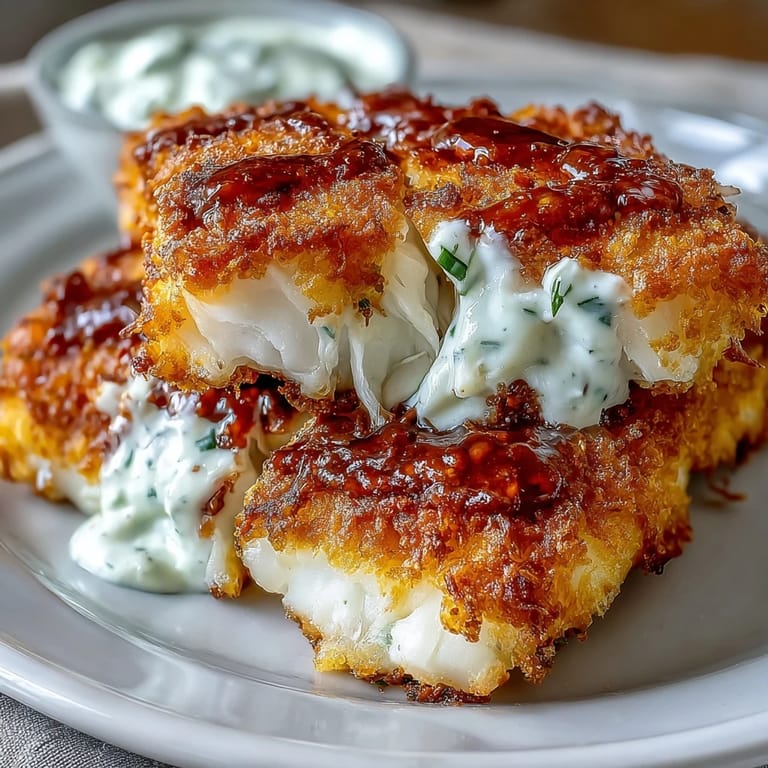
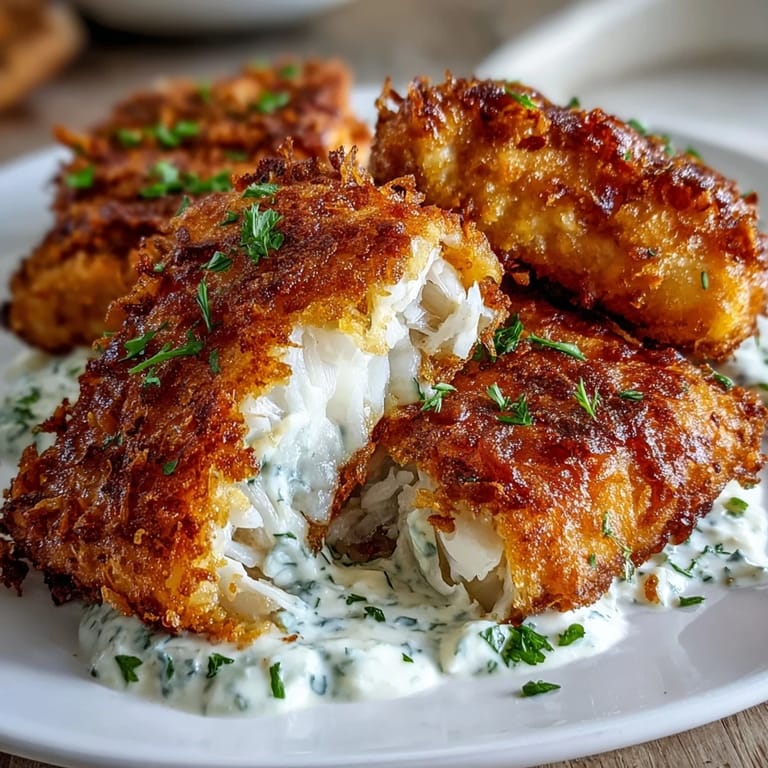
- Working in batches so you don't crowd the pan, carefully lay fillets into the hot oil and cook for about 3 to 4 minutes per side, listening for that steady, satisfied sizzle. You'll know they're done when the coating turns deep golden and the fish flakes easily when you peek inside.
- Drain and rest:
- Transfer fried fillets to a paper towel-lined plate where they'll drain and stay warm while you finish any remaining batches. The residual heat keeps them cooking slightly, so don't let them sit too long before serving.
- Build your remoulade:
- In a bowl, combine mayonnaise, Dijon mustard, horseradish, hot sauce, pickle relish, lemon juice, minced garlic, smoked paprika, and parsley, stirring until smooth and creamy. Taste and adjust salt and pepper to your liking—this sauce should be assertive enough to stand up to rich fried fish.
 Save
Save Last year, my nephew watched me make this and asked why I was being so careful with every step, and I realized I'd never really explained that cooking soul food well is an act of respect for the tradition and the people who perfected it. That conversation shifted something for me, and now every time I make fried catfish, I'm not just cooking dinner—I'm honoring the hands that taught me.
What Makes Catfish Special for Frying
Catfish has a delicate, flaky texture and mild flavor that lets the seasoning shine without overpowering the fish itself—it's forgiving enough for beginners but has enough character for experienced cooks to fall in love with. The flesh stays tender even in hot oil because of its lean, flaky composition, which is why it became such a staple in soul food cooking across the South. Once you understand why catfish works so beautifully in this preparation, you'll see why substitutes like tilapia or cod feel like a compromise rather than an upgrade.
The Remoulade Revolution
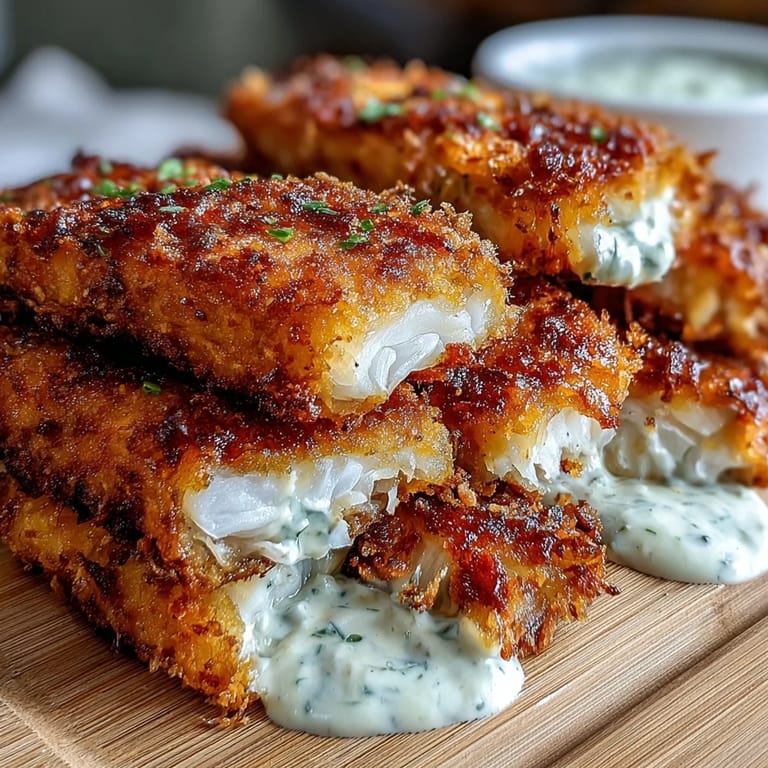
Remoulade is a Creole invention that hit New Orleans kitchens like a flavor bomb, combining French sauce techniques with local ingredients and attitude, and when you make it fresh, you understand why it became absolutely essential to fried fish. The horseradish gives it backbone, the mustard adds brightness, and the pickle relish grounds it in something playful and unexpected. Once you taste homemade remoulade, store-bought versions taste thin and lifeless by comparison.
Serving Suggestions & Pairings
This catfish belongs on a table surrounded by things that feel just as intentional as the fish itself—creamy grits or coleslaw make sense alongside it, creating a meal that feels complete and purposeful. Hush puppies are traditional for a reason; their crispy exteriors and soft, cornmeal-flavored insides feel like they were designed specifically to go alongside fried catfish. The cool, crisp remoulade brings everything into balance, cutting through the richness while adding another layer of flavor.
- Creamy stone-ground grits are a non-negotiable side that makes this meal feel fully Southern.
- Tangy coleslaw cools things down and provides crunch against the tender fish.
- Hush puppies or cornbread complete the plate and let you soak up every last bit of remoulade sauce.
 Save
Save This recipe has a way of bringing people around a table and making them slow down, and that's worth as much as any perfect bite. Make it with attention and share it with people you care about, because that's when soul food becomes what it was always meant to be.
Recipe FAQs
- → What type of fish is best for frying?
Catfish is ideal due to its firm texture and mild flavor, which holds up well to frying and seasoning.
- → How can I make the coating extra crispy?
Double-dip the fillets by returning them to the buttermilk and cornmeal mixture before frying for a thicker, crunchier crust.
- → What oil is recommended for frying?
Use vegetable oil heated to 350°F (175°C) for frying to achieve a crispy exterior without greasiness.
- → Can I use other fish instead of catfish?
Yes, tilapia or cod are good alternatives that also fry well and absorb the seasoning nicely.
- → What ingredients give the remoulade its flavor?
The remoulade combines mayonnaise, Dijon mustard, horseradish, hot sauce, and spices like smoked paprika, creating a tangy and smoky complement.
- → How long should the catfish marinate?
Marinate fillets for at least 15 minutes in buttermilk and hot sauce to tenderize and infuse flavor.