 Save
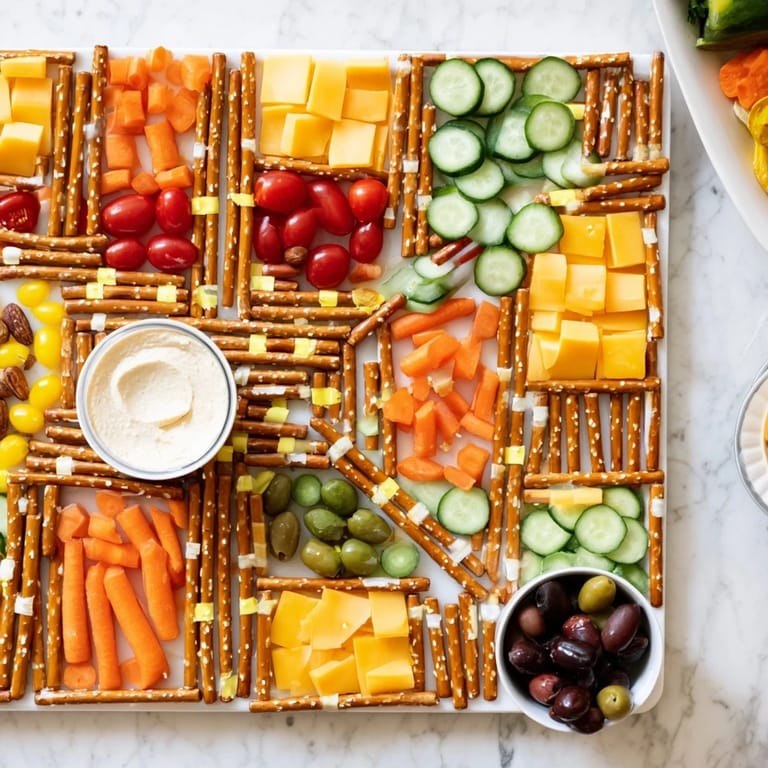
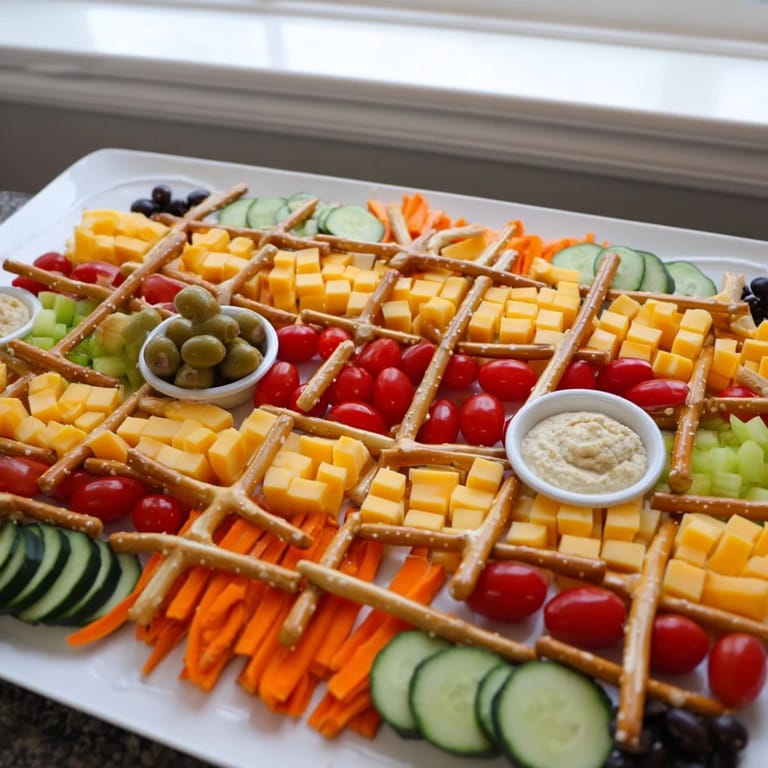
Save I was hosting a dinner party on a Thursday night when the idea hit me while staring at a half-empty pantry—what if I turned the snacking experience into something that looked as intentional as it tasted? The pretzel rods caught my eye first, lined up like tiny golden skyscrapers, and suddenly the whole grid concept clicked into place. My guests arrived to find not just food, but a edible city block they could explore and customize, and I watched as people lit up discovering different flavor combinations within each intersection. There's something magical about turning prep work into presentation.
I remember my friend Marcus asking if this was from some fancy catering company, and I got to tell him I'd invented it that afternoon—his face when he realized it was homemade made the whole thing worth it. That's when I knew I'd stumbled onto something that works because it's not trying too hard; it just makes people feel like they're part of something a little more considered than the usual bowl of chips.
Ingredients
- Pretzel rods: These are your streets and your structure—buy them fresh from the bakery section if you can, they stay crisp longer and taste buttery rather than stale.
- Mild cheddar, gouda, and mozzarella: I keep the cubes big enough to grab, small enough to fit between the pretzels without rolling everywhere, which I learned the hard way the first time.
- Salami and smoked turkey: Optional, but they add color and a salty counterpoint that makes people reach for them first.
- Cherry tomatoes, cucumber, yellow bell pepper, and baby carrots: The vegetables do the real visual work here—the yellow pepper especially pops against the pretzels, and the cucumber adds a cool, crisp moment.
- Hummus and ranch dip: Small bowls nestle right into the grid, turning them into little gathering spots for guests.
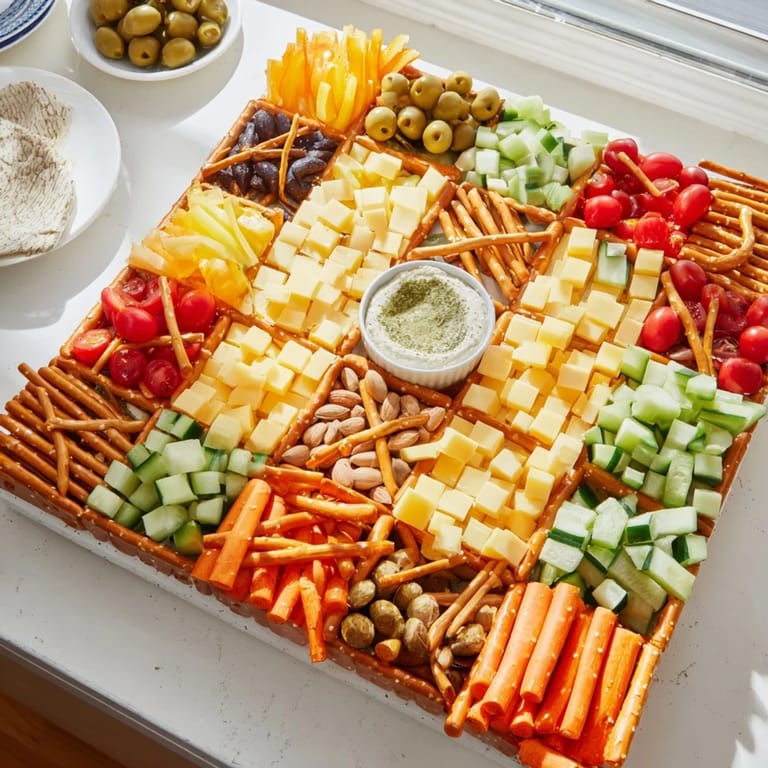
- Mixed olives and roasted nuts: These fill in the gaps and add texture; they're the salty anchors that bring everything together.
Tired of Takeout? 🥡
Get 10 meals you can make faster than delivery arrives. Seriously.
One email. No spam. Unsubscribe anytime.
Instructions
- Build your city streets:
- Lay the pretzel rods in neat rows and columns on your largest board, leaving small gaps between them like actual city blocks. You'll feel the geometry click into place as you go.
- Fill each block thoughtfully:
- Think of this like city planning—group cheeses in one neighborhood, vegetables in another, meats in a third. The contrast between sections makes it visually exciting and means people know where to find what they want.
- Nestle the dips:
- Place small bowls of hummus and ranch into the grid or just outside it, wherever they look balanced. They become little gathering points that draw people back to the platter.
- Finish and serve:
- Step back and look at it before guests arrive—you'll probably spot one spot that needs more color or movement, and that's your moment to add it. Serve it as soon as everyone's ready so the pretzels stay at their crispest.
 Save
Save I think the real gift of this platter is watching people slow down and really look at what they're eating instead of just reaching into a bowl. Someone told me later that it felt like the food was celebrating them, not the other way around.
Making It Your Own
The beauty of the grid is that it's endlessly adaptable to what's in your kitchen or what your guests actually eat. I've done versions with different cheeses when I was running low on cheddar, and once I swapped in grilled vegetables when I had them on hand—each version felt just as intentional as the last. The structure stays the same; the ingredients are just your conversation with what's available.
Grid Variations for Every Occasion
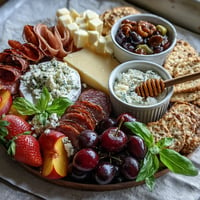
For a sweeter gathering, I've added grapes, apple slices, and dried apricots to balance the salty elements, and it completely changes the energy of the platter. If I'm making it for people who like bold flavors, I add marinated vegetables, specialty mustards, or even some fig jam for dipping—suddenly it feels fancy without any extra effort. The grid format means you can build around whatever theme you're going for, whether that's Mediterranean, elevated casual, or just whatever sounds good on a Tuesday evening.
The Small Details That Matter
I've learned that serving boards matter more than you'd think—a bright wooden board or a dark slate will make your colors pop differently, so think about what backdrop shows off your ingredients best. Lighting makes a difference too; I always move my platter away from harsh overhead lights if I can, because soft lighting makes everything look more inviting. These tiny choices are what separate a snack platter from something guests will actually remember.
- Keep everything cool until the moment of service by prepping components in the refrigerator and assembling just before guests arrive.
- If you're making this ahead of time, wrap the assembled platter in plastic wrap and refrigerate for up to four hours, then unwrap and serve.
- Wine pairing: a crisp white wine or light lager is your best friend here, something that won't overpower the variety of flavors people are experiencing.
 Save
Save At the end of the night, when the platter's mostly picked over and people are lingering, you'll see that you've created something that brought people together in a way food often does. That's worth the twenty-five minutes every single time.
Recipe FAQs
- → How do I assemble the grid layout?
Lay pretzel rods parallel and perpendicular on a large platter forming a grid pattern to resemble streets, then fill the squares with chosen ingredients.
- → Can this platter be made vegan?
Yes, substitute plant-based cheeses and omit meats for a fully vegan-friendly snack arrangement.
- → What dips complement this platter best?
Hummus and ranch dips provide creamy contrast, but consider mustard or olive tapenades for added variety and flavor.
- → Are there any suggested ingredient alternatives?
Adding fruits like grapes or apple slices can bring sweetness, while marinated vegetables boost depth and texture.
- → How should I accommodate dietary restrictions?
Offer separate bowls of dips and arrange ingredients to allow guests to avoid allergens like nuts, dairy, or gluten.