 Save
Save My neighbor Maria handed me a bottle of homemade limoncello one spring afternoon, insisting I make something special with it. I'd been intimidated by pound cakes for years—too dense, too heavy, I thought—but something about that golden liquid and her certainty that I could pull this off made me try. That first slice, still warm from the oven with the glaze pooling into the crumb, changed everything. The cake was impossibly tender, the lemon so bright it almost sang, and suddenly I understood why pound cakes have endured for centuries.
I baked this for a small Easter gathering last year, and watching my mother take that first bite told me everything. Her eyes closed, she reached for another slice before she'd even finished chewing, and later I caught her wrapping up an extra piece to take home. That's when I realized this wasn't just a recipe—it was the thing that would make people linger at my table a little longer.
Ingredients
- All-purpose flour: Don't skip sifting or aerating it; dense pound cakes often come from compacted flour, so measure by spooning and leveling.
- Unsalted butter: Room temperature is non-negotiable here—cold butter won't cream properly and you'll lose that signature light, fluffy crumb.
- Granulated sugar: This is what creates structure and tenderness; don't substitute with brown sugar unless you enjoy a heavier cake.
- Eggs: Room temperature means they blend seamlessly into the batter rather than creating lumps or breaking the emulsion.
- Limoncello liqueur: This is the soul of the cake; it adds brightness and a subtle warmth that makes people ask what your secret ingredient is.
- Fresh lemon juice and zest: The juice keeps the cake tender while the zest provides those little flavor bursts that make each bite interesting.
- Powdered sugar for glaze: Sift it before mixing to avoid lumpy streaks that refuse to dissolve smoothly.
Tired of Takeout? 🥡
Get 10 meals you can make faster than delivery arrives. Seriously.
One email. No spam. Unsubscribe anytime.
Instructions
- Prepare your stage:
- Preheat the oven to 350°F and grease your pan thoroughly—I use butter and flour, making sure to get into every corner and up the sides. A loaf pan gives you elegant slices, but a bundt creates that show-stopping presentation.
- Dry mix the foundations:
- Whisk your flour, baking powder, and salt together in one bowl and set it aside; this ensures the leavening and salt distribute evenly throughout the batter.
- Cream butter and sugar into clouds:
- Beat them together for 3 to 4 minutes until the mixture is pale, fluffy, and almost doubled in volume. This incorporates air that makes the cake tender rather than dense.
- Incorporate eggs with patience:
- Add one egg at a time, beating well after each addition until it's fully incorporated before adding the next. Rushing this step or adding them all at once can break the emulsion and result in a grainy texture.
- Blend in the liquid treasures:
- Mix in the limoncello, milk, lemon juice, zest, and vanilla until just combined. The wet ingredients need to marry together but not be overworked.
- Fold in flour gently:
- Add the flour mixture gradually while stirring just until you don't see white streaks anymore. Overmixing develops gluten and turns your tender cake tough.
- Pour and smooth:
- Transfer the batter to your prepared pan and smooth the top with a spatula so it bakes evenly.
- Bake with an eye on the top:
- Bake for 50 to 60 minutes until a toothpick inserted in the center comes out clean or with just a few moist crumbs. If the top is browning too quickly after 40 minutes, tent it loosely with foil.
- Cool with intention:
- Let it rest in the pan for 15 minutes so it firms up enough to turn out cleanly, then move it to a wire rack to cool completely before glazing. Glazing a warm cake results in it sliding right off.
- Make the glaze shine:
- Whisk powdered sugar with 2 tablespoons of fresh lemon juice and the limoncello if you're using it, adding more juice a teaspoon at a time until it's pourable but still coats the back of a spoon.
- Finish with flair:
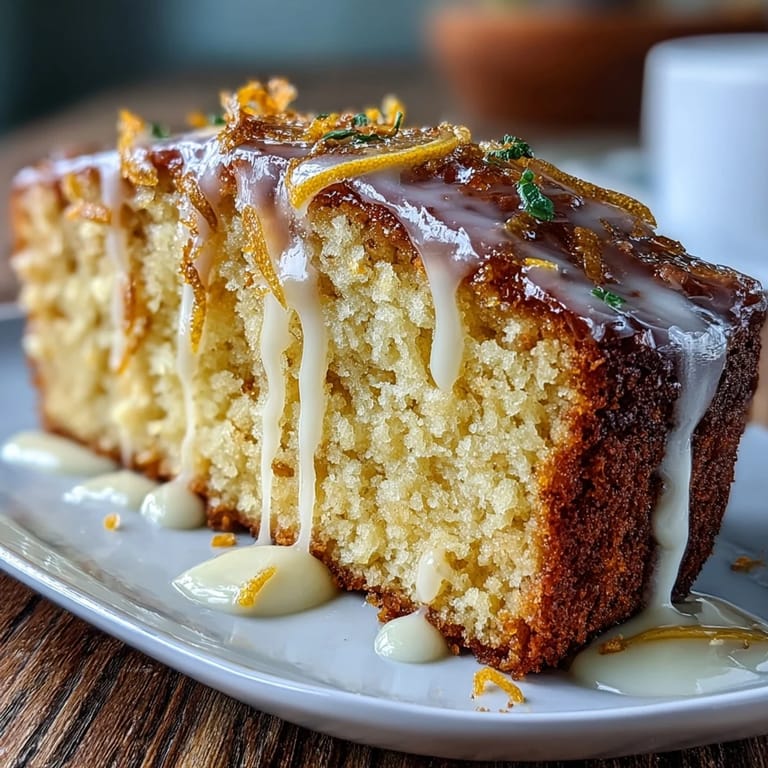
- Drizzle the glaze generously over the cooled cake and scatter lemon zest on top. Let it set for at least 30 minutes before slicing so the glaze firms up slightly.
 Save
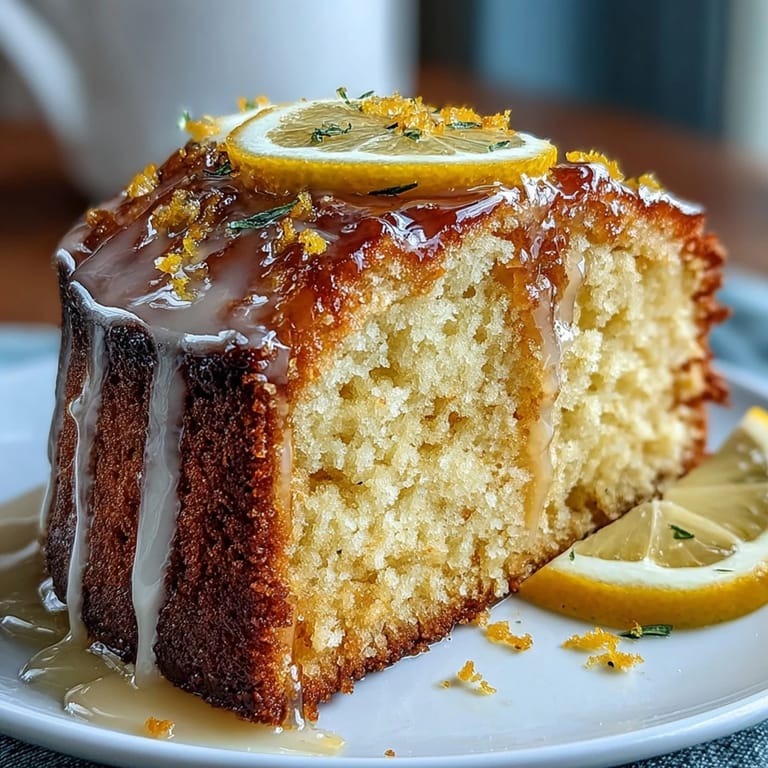
Save There's something magical about a simple cake that tastes expensive, that makes people pause mid-conversation to ask for the recipe. This limoncello pound cake became that cake for me—the one that turned an ordinary Tuesday afternoon into something worth remembering.
The Secret of Limoncello
Limoncello is more than just a liqueur; it's liquid sunshine captured in a bottle. Unlike artificial flavorings that taste one-note and chemical, real limoncello carries the bright, almost perfumy essence of lemon zest steeped in alcohol. When you bake with it, the alcohol evaporates but leaves behind this sophisticated flavor that's hard to name but impossible to miss. People will ask if you added some mysterious extract or technique, never suspecting it's just good liqueur doing what it's meant to do.
Texture Matters More Than You Think
The difference between a dry pound cake and a moist one often comes down to three things: not overbaking, using room temperature ingredients, and the balance of liquid in the batter. I learned this the hard way when I tried to make a version with all milk instead of the limoncello and milk combination—it came out dense and slightly chalky. The limoncello adds moisture and tenderness that milk alone cannot provide, which is why this recipe works so beautifully.
Serving and Storage Wisdom
Pound cake is one of those rare desserts that tastes better the next day, once the flavors have settled and mellowed slightly. It keeps in an airtight container at room temperature for up to four days, wrapped well to prevent it from drying out. You can also freeze it for up to two months, either whole or in slices, which makes it perfect for those moments when you want homemade cake but didn't plan ahead.
- Serve slices slightly warm with fresh berries, whipped cream, or even a scoop of vanilla ice cream to let the lemon shine.
- If you want an extra boost of limoncello flavor, brush the cooled cake with 2 tablespoons of the liqueur before glazing.
- A thin slice with afternoon coffee or tea is honestly the most civilized way to enjoy this cake.
 Save
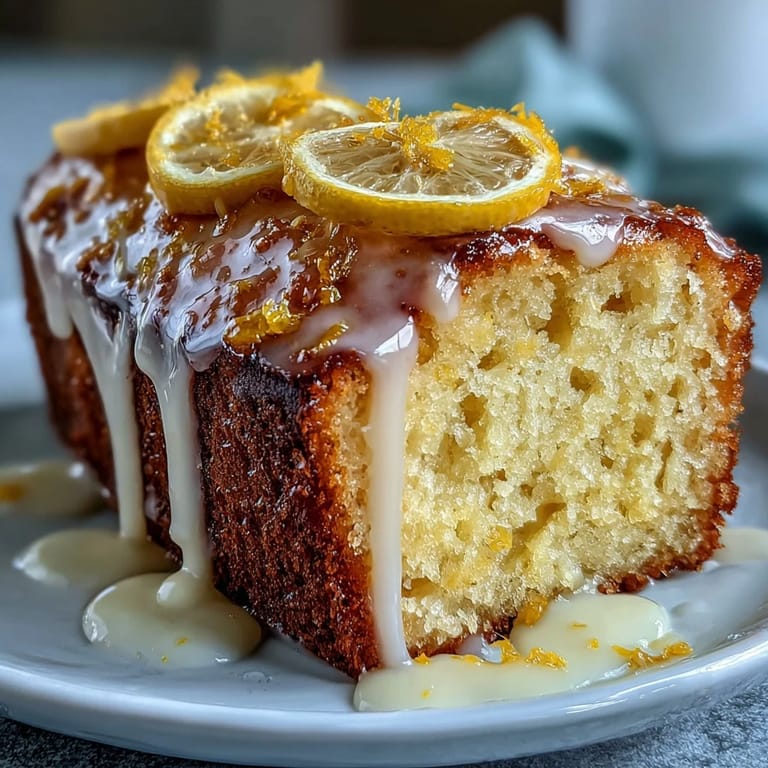
Save This cake has become my answer to every spring occasion, every thank-you moment, and every time I want to remind someone they matter. There's something about homemade citrus cake that feels both simple and irreplaceable.
Recipe FAQs
- → What role does limoncello play in this cake?
Limoncello adds a subtle, aromatic citrus flavor and moistens the cake, complementing the lemon zest and juice.
- → Can I use a loaf pan or bundt pan?
Both pans work well; loaf pans yield a classic shape while bundt pans offer decorative styling and even baking.
- → How do I prevent the cake top from browning too fast?
After 40 minutes baking, tent the cake loosely with foil to prevent over-browning while finishing the bake.
- → Is it necessary to brush limoncello before glazing?
Brushing the baked cake with limoncello before glazing enhances the citrus flavor but can be omitted if preferred.
- → What alternatives exist for the lemon glaze?
You can adjust lemon juice amounts for sweetness or add a splash of orange liqueur and zest for a twist.
- → What kitchen tools are essential for this preparation?
Basic mixing bowls, an electric mixer, measuring tools, a loaf or bundt pan, cooling rack, and whisk are needed.