 Save
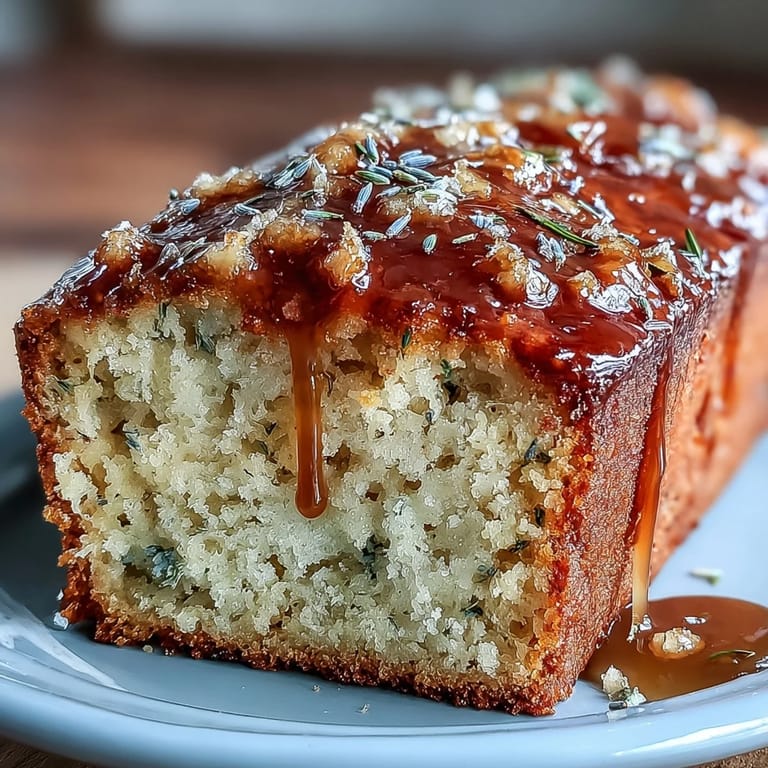
Save It was an overcast afternoon when I first tried fusing floral lavender with punchy lemon for a loaf cake: rain tapped at the windows while the kitchen filled with a bright, almost Mediterranean aroma. The lavender had sat unused in my pantry for ages, a small jar left from a summer trip to a farmer's market, and I decided baking with it would be the cure for a gloomy mood. The honey glaze, a spontaneous addition, happened after I realized I was out of plain icing sugar and needed an extra note of warmth. As the cake baked, the house filled with a scent so inviting that even my book-loving partner drifted in from the living room, nose first. We sliced into it still warm, delighting in the soft crumb and fragrant topping.
I once baked this loaf as the centerpiece for an impromptu summer tea gathering on our tiny balcony, snapping fresh lemon zests into the air while my neighbor called over asking what smelled so heavenly. Plates set on mismatched chairs, honey glaze slowly sliding down the sides, we ended up finishing the whole cake while the afternoon sun finally peeked through. I still remember us comparing our favorite teas, laughter mixing with the floral-citrus perfume sneaking from the kitchen. It was simple, unplanned, and somehow just right for the mood. The kind of afternoon that makes you grateful for small joys like good cake and easy company.
Ingredients
- All-purpose flour: Use fresh, unbleached flour for the softest crumb—measure by spooning and leveling for accuracy.
- Baking powder & baking soda: These leaveners team up for lightness; double-check they're fresh so your cake doesn't fall flat.
- Salt: A pinch sharpens all the flavors and balances the sweet notes.
- Culinary dried lavender buds: Seek out food-grade lavender—rubbing the buds gently before adding releases their aroma, but less is more to avoid soapiness.
- Lemon zest: Zest directly over your mixing bowl to catch those fragrant oils and maximize citrus punch.
- Unsalted butter: Room-temperature butter creams better with sugar for a fluffy base; let it sit out for an hour before baking if you can.
- Granulated sugar: Regular white sugar keeps the cake light, letting lemon and lavender shine through.
- Eggs: Room temperature eggs incorporate smoothly—run them under warm water if you forget to set them out.
- Greek yogurt or sour cream: Adds tenderness and subtle tang; both work, but Greek yogurt makes for a slightly denser texture.
- Whole milk: The touch of fat from whole milk keeps the crumb extra moist.
- Fresh lemon juice: Squeeze right before using for brightness; bottled just can't compare.
- Pure vanilla extract: Just a splash rounds out all the floral and citrus flavors.
- Powdered sugar (for glaze): Sift before mixing for a perfectly smooth drizzle—lumps are the enemy.
- Honey: Use your favorite variety; mild honey keeps the glaze mellow and lets lemon sing.
Tired of Takeout? 🥡
Get 10 meals you can make faster than delivery arrives. Seriously.
One email. No spam. Unsubscribe anytime.
Instructions
- Set up your baking pan:
- Grease and line a 9x5-inch loaf tin with parchment, letting some hang over the edges for an easy lift-out after baking.
- Combine dry ingredients:
- Whisk flour, baking powder, soda, salt, lavender, and lemon zest—pause to inhale, it's like a mini spa visit right in your bowl.
- Cream butter and sugar:
- Beat butter and sugar together on medium speed until very pale and fluffy—tiny flecks of zest clinging to the beater are a good sign.
- Add eggs gradually:
- Incorporate eggs one at a time, making sure they're smoothly blended so the batter looks glossy and unified.
- Mix in the dairy and juice:
- Gently stir in yogurt (or sour cream), milk, lemon juice, and vanilla until just combined, avoiding over-mixing to keep the loaf tender.
- Bring it all together:
- Fold your dry mixture into the wet, working slowly with a spatula and stopping as soon as the last streak of flour disappears.
- Fill and bake:
- Scrape batter into the pan, smoothing the surface, and bake at 350°F until golden and a tester comes out clean—expect your kitchen to be filled with lemony lavender fragrance.
- Cool the loaf:
- Let it rest in the tin for 10 minutes, then transfer to a rack and cool completely before glazing (impatience here can melt the glaze straight off).
- Prepare honey glaze:
- Whisk powdered sugar, honey, and lemon juice in a small bowl until you have a pourable but thick glaze; add lemon juice drop by drop for the right consistency.
- Glaze and serve:
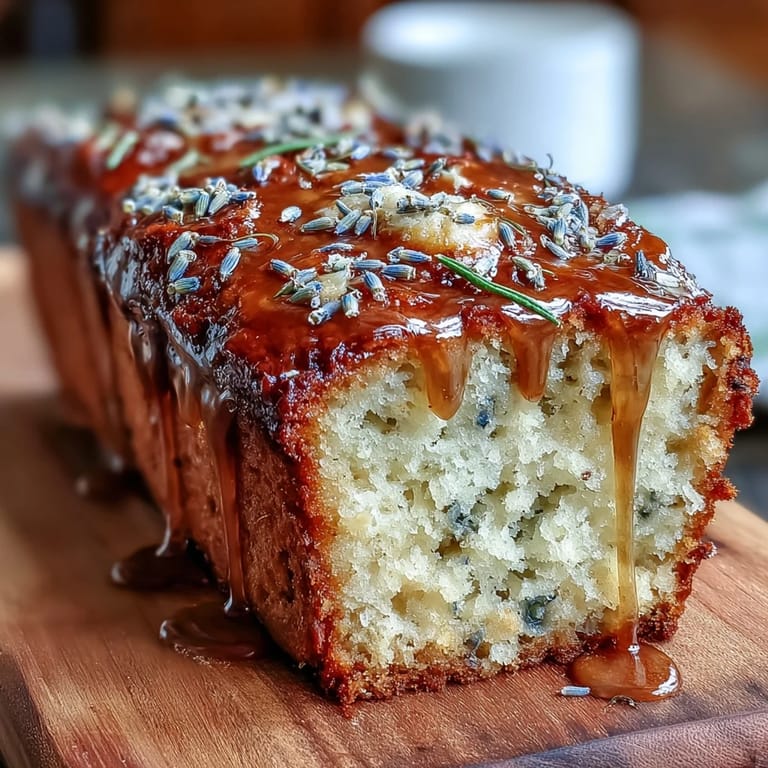
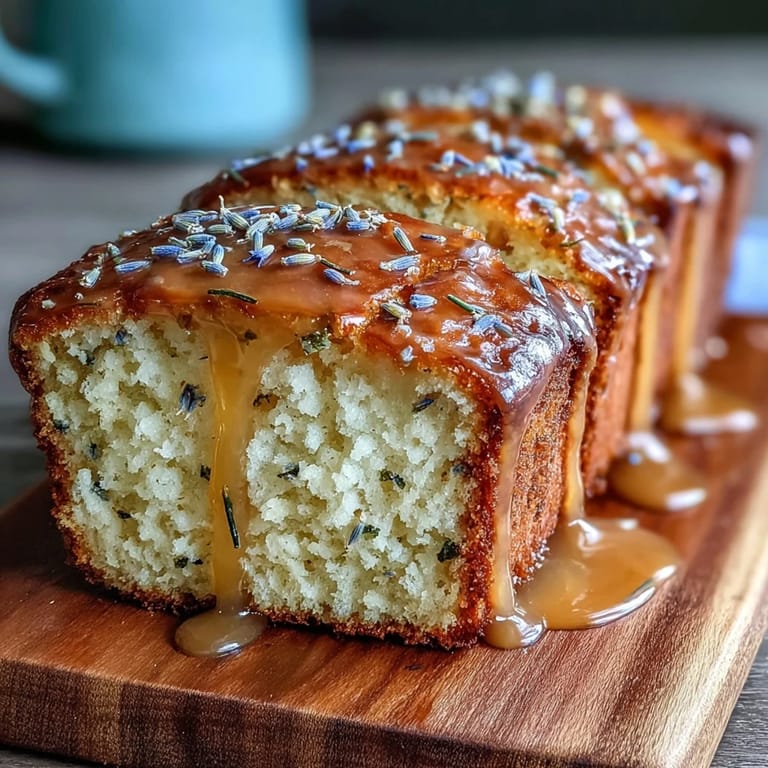
- Drizzle the honey-lemon glaze over the cooled cake, letting it pool in the crevices and run down the sides—resist slicing in until it sets just a little.
 Save
Save 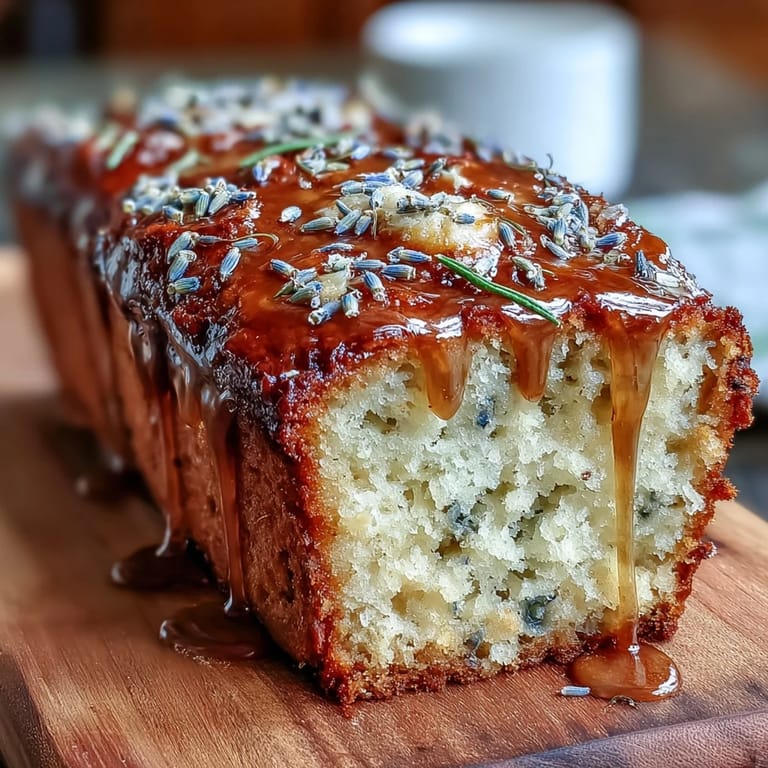 Save
Save The first time someone asked for seconds of this cake, I caught a glimmer of triumph—what began as casual baking became this tiny, happy victory worth sharing. Now, every time I whisk together lemon and lavender, I think of that request and the quiet pride that good food brings.
A Little About That Honey Glaze
I promise, it's worth taking a few extra minutes to whisk up the honey glaze—its aroma draws everyone to the kitchen before they've even seen the cake. The honey tames the tartness of the lemon and creates that glistening finish that looks straight out of a fancy bakery.
Perfecting the Lemon-Lavender Balance
My first attempts came out too perfumey, so now I always measure the lavender carefully and taste a pinch with some batter to make sure it's just right. When it feels balanced, the floral notes hug the lemon instead of overpowering it, and the whole loaf shines.
Decorating and Serving Ideas
Once cooled, the loaf looks lovely topped with a few extra flecks of lemon zest or a gentle sprinkling of dried lavender. If you want to go fancy, add thin lemon slices for a cheerful pop.
- Let the glaze set before slicing for neat pieces.
- Pairs especially well with Earl Grey or herbal teas.
- Store leftovers wrapped at room temperature for up to 2 days.
 Save
Save 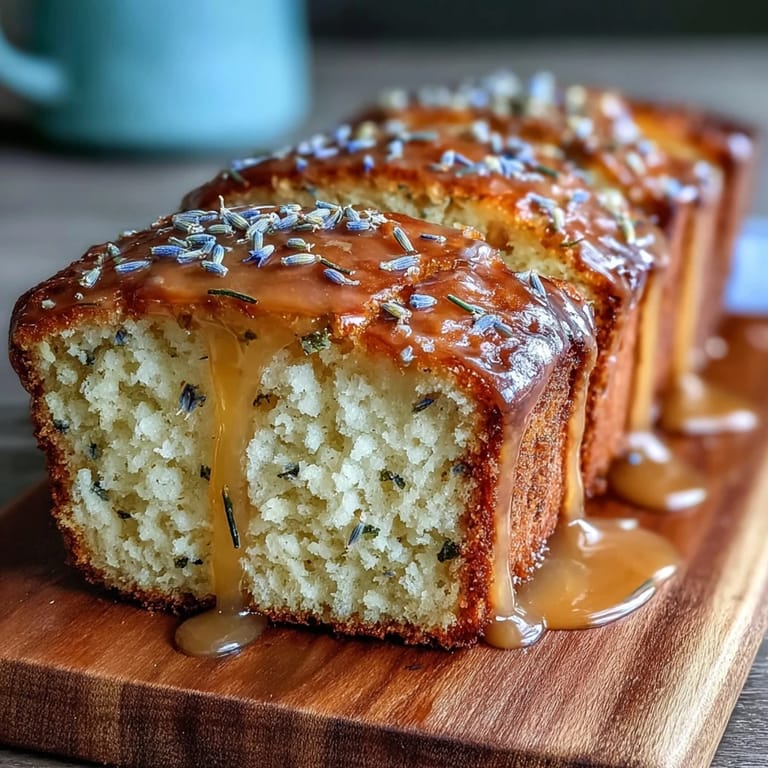 Save
Save May this cake bring a little sunshine to your kitchen—whether you're celebrating, relaxing, or just craving something lovely. Here's to more fragrant, unexpected bakes together.
Recipe FAQs
- → How do I prevent lavender from tasting bitter?
Use culinary-grade dried lavender and measure it carefully; a tablespoon is usually enough. To mellow the floral notes, briefly steep the buds in warm milk, strain and use that milk in the batter.
- → How can I tell when the loaf is done?
Insert a toothpick into the center—if it comes out clean or with a few moist crumbs, the loaf is done. The top should be golden and the edges should pull slightly away from the pan.
- → Can I swap yogurt for another ingredient?
Yes. Sour cream gives similar richness; for a lighter crumb, use an equal amount of buttermilk. If using a non-dairy alternative, choose a full-fat plain yogurt substitute for best texture.
- → How do I adjust the glaze consistency?
Add lemon juice a teaspoon at a time to thin the glaze, or more powdered sugar to thicken. Aim for a pourable but not runny consistency so it sets slightly on the cooled loaf.
- → What storage method keeps the loaf fresh?
Store slices in an airtight container at room temperature for up to 2 days, or refrigerate for up to 5 days. Warm briefly before serving to revive tenderness.
- → Any suggestions for serving or pairings?
Serve thin slices with a cup of Earl Grey or light tea to complement the floral notes. Try a sprinkle of extra lemon zest or a few dried lavender buds as a garnish.