 Save
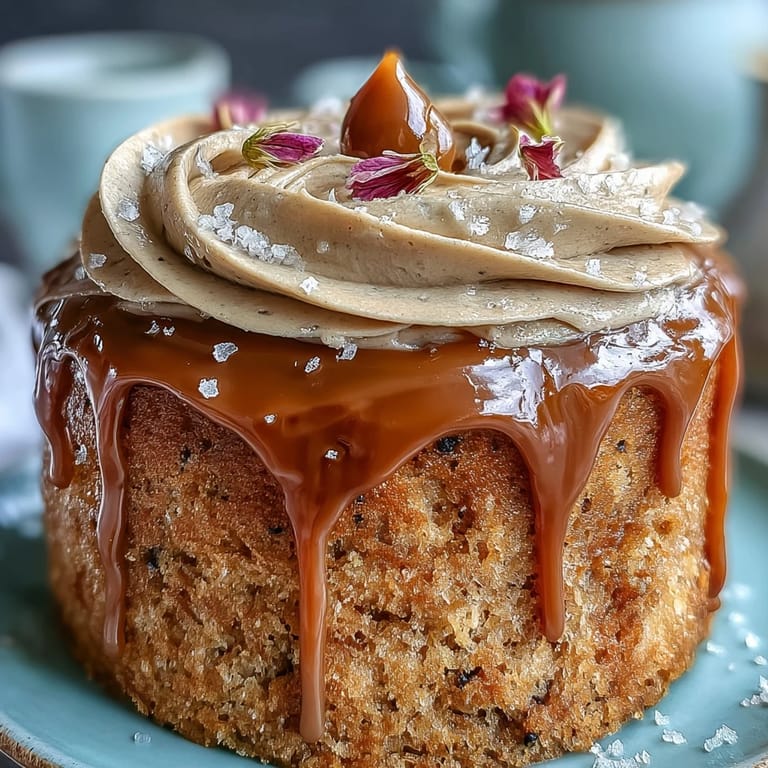
Save The scent of caramelizing brown sugar hit me before I even began mixing the batter for this Taurus Cake, a sensory hint at the earthy sweetness to come. The idea for the cake started as a playful experiment with natural color powders scattered across my countertop, each one promising an earthy hue or gentle floral note. Watching the butterscotch bubble in the saucepan, I nearly let it go too far in my distraction—sometimes intuition smells the sugar just in time. It's a cake that looks like spring emerging from the ground, with every layer reflecting the Taurus spirit in flavor and form. I never imagined a simple cake would nudge me into the creative corners of my kitchen like this one did.
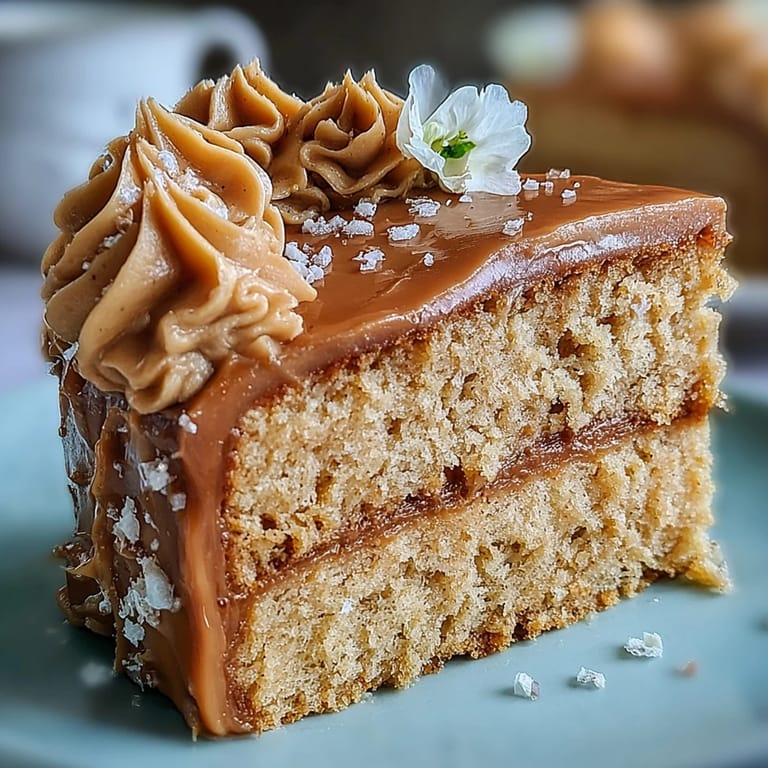
Baking this cake for friends on a chilly April evening became a laugh-filled event when someone tried guessing each earth-toned color in the frosting. We ended up naming swirls after different herbs—'mint meadow' and 'rosy dusk' among them. Someone always steals a spoonful of buttercream if you’re not watching. There’s a joy in seeing everyone’s face when the first slice comes free, revealing layers rich as soil and sky. The edible flower topping got a second wind as an impromptu decorating contest at our table.
Ingredients
- All-purpose flour: Sift for a tender crumb—don’t skip this if you want a fluffy cake foundation.
- Baking powder and baking soda: Trust me, the balance gives that ideal rise without becoming dry.
- Brown sugar: For deep, caramel notes that linger—press it firmly in the cup to measure right.
- Unsalted butter: Softened butter creams better and sets a smooth base for both cake and frosting.
- Eggs: Room temperature provides a smoother, more stable cake batter.
- Vanilla extract: Enhances both sponge and buttercream in an understated, floral way.
- Sour cream or plain yogurt: This secret ingredient keeps every crumb plush and moist.
- Whole milk: Go for whole over skimmed for richness—it makes a noticeable textural difference.
- Butterscotch sauce: Homemade makes all the difference; cool it before folding into the batter.
- Powdered sugar: Sifting avoids that lumpy frosting fate we've all faced.
- Rose water and ground lavender (optional): Add gently—just enough to whisper, not shout, their floral notes.
- Natural colorants (matcha, beet powder, cocoa, turmeric, spirulina): They provide gorgeous earthy hues and subtle flavors; a little goes a long way.
- Edible flowers and fresh herbs: Verify their source for safe eating and gently press them into the cooled buttercream for the prettiest effect.
- Gold leaf or dust (optional): When I want a touch of drama, a scatter of gold makes the cake utterly special.
Tired of Takeout? 🥡
Get 10 meals you can make faster than delivery arrives. Seriously.
One email. No spam. Unsubscribe anytime.
Instructions
- Prep Your Oven and Pans:
- Preheat to 350°F (175°C) and line three 8-inch pans with parchment—the sizzle as the batter meets warm metal always makes my heart jump a little.
- Butterscotch Sauce Magic:
- Melt butter and brown sugar until it smells toasted but not burnt, then gently whisk in cream until glossy and thick. Always cool before using, or your batter won't set!
- Mix the Dry Ingredients:
- Whisk flour, baking powder, baking soda, and salt together, tapping the bowl so no lumps hide underneath.
- Cream the Wet Ingredients:
- Beat butter and brown sugar until airy, then add eggs one at a time—listen for that satisfying whir as it lightens.
- Add Richness:
- Blend in vanilla, sour cream, and cooled butterscotch sauce slowly, breathing in the butterscotch aroma as you stir.
- Combine and Finish the Batter:
- Alternate dry mix and milk, starting and ending with flour, until just smooth—don’t overmix; you want those bubbles for lift!
- Bake the Layers:
- Divide evenly across pans and bake 28–35 minutes; the edges pull just slightly from the sides when ready.
- Cool Completely:
- Let cakes cool in the pans for 10 minutes, then flip onto racks to finish—patience matters for structure.
- Floral Earth-Tone Buttercream:
- Beat butter until creamy, then add powdered sugar in parts. Blend in milk, rose water, and a hint of ground lavender, tinting with natural colors for that earthy swirl effect.
- Build and Decorate:
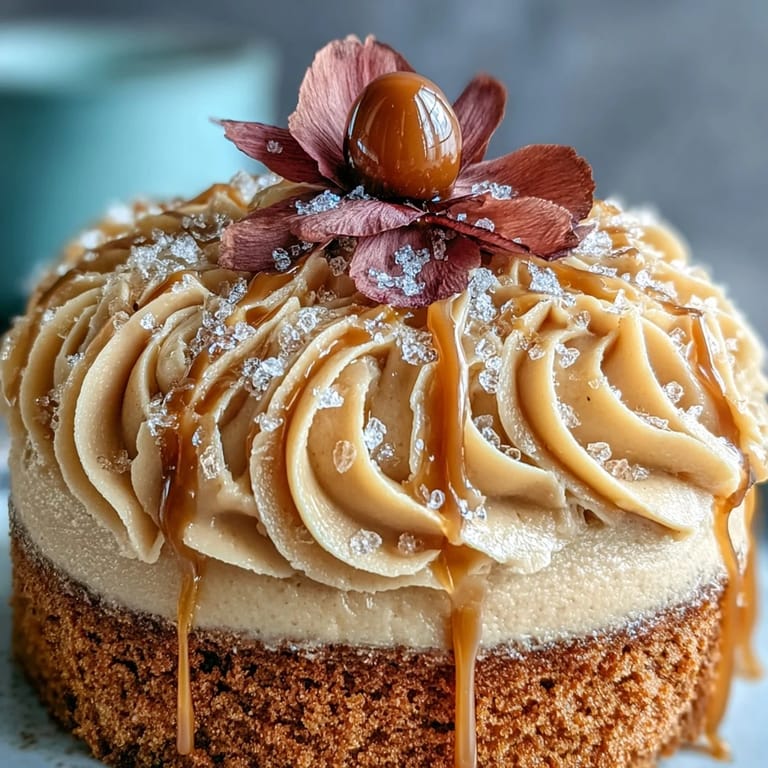
- Layer cakes with buttercream, coat the outside, and swirl on colors. Chill twenty minutes, then crown with edible flowers, herbs, and a dusting of gold leaf.
 Save
Save 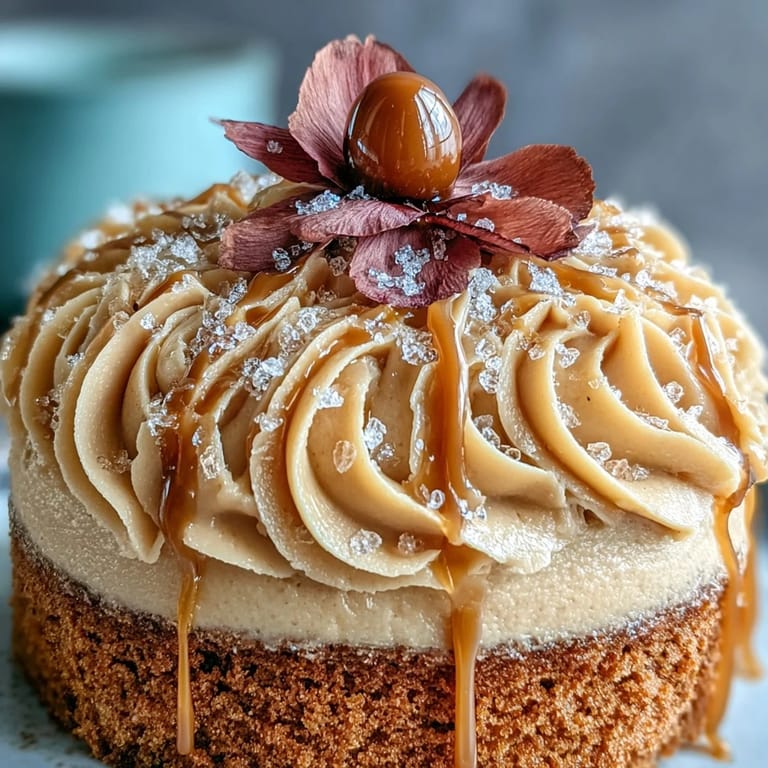 Save
Save Someone once thanked me for making their birthday cake look 'like a meadow in bloom,' and at that moment, I realized it was more than a bake—it had become a tradition. Somehow, sharing this cake turns the table into a celebration of both season and spirit, every single time.
Choosing and Using Edible Flowers
Edible flowers look ethereal but require a little attention—always check their source and wash very gently before using. Certain herbs like mint and rosemary pair beautifully with the floral notes, and pressing them lightly onto the chilled buttercream keeps them fresh and vibrant longer.
Mastering That Earthy Color Palette
Natural color powders surprise me every time: turmeric offers sunshine yellow even with just a pinch, and matcha can look grassy or sophisticated with a slight shift in amount. Mixing a little cocoa powder with beet gives a dusty rose, so feel free to blend for entirely new shades.
Making and Storing the Butterscotch Sauce
Homemade butterscotch is far superior to store-bought—the aroma alone will lure kitchen visitors. Let the sauce cool fully before folding into the cake or using in buttercream; it thickens as it sits for even richer flavor undertones.
- Store extra sauce in a jar for ice cream toppers or sneaky spoonfuls.
- If your cake layers get too sticky, chilling them briefly helps before icing.
- Don’t forget: frosting softens fast, so work quickly for the prettiest swirls.
 Save
Save  Save
Save Gather your ingredients, invite a friend to help decorate, and let this Taurus Cake ground and delight your next celebration. It’s truly a bake that brings people together, layer by layer.
Recipe FAQs
- → How do I avoid soggy cake layers?
Bake until a skewer comes out clean and cool layers in the pan 10 minutes before transferring to a rack. Avoid over-brushing with sauce; fold the butterscotch into the batter rather than soaking layers.
- → What can I use instead of sour cream?
Plain full-fat yogurt or a buttermilk substitute (milk plus a splash of lemon) both work well to add moisture and tender crumb while keeping batter balance.
- → How should I use natural colorants in buttercream?
Add powders sparingly and build color gradually—mix thoroughly between additions. Matcha, beet, cocoa and turmeric give subtle earth tones without thinning buttercream.
- → Best way to incorporate floral flavors?
Use culinary rose water or a small amount of finely ground culinary lavender for a gentle floral note. Start with the lower end of the suggested amount and taste as you go to avoid overpowering the butterscotch.
- → How long can the finished cake be stored?
Keep covered at room temperature for up to 3 days; refrigerate if fresh flowers are used. If chilled, allow the cake to come to room temperature before serving for best texture and flavor.
- → Can I make components ahead of time?
Yes—bake layers in advance and wrap tightly to freeze or refrigerate. Prepare the butterscotch sauce and buttercream ahead; tint buttercream just before assembling for the freshest colors.