 Save
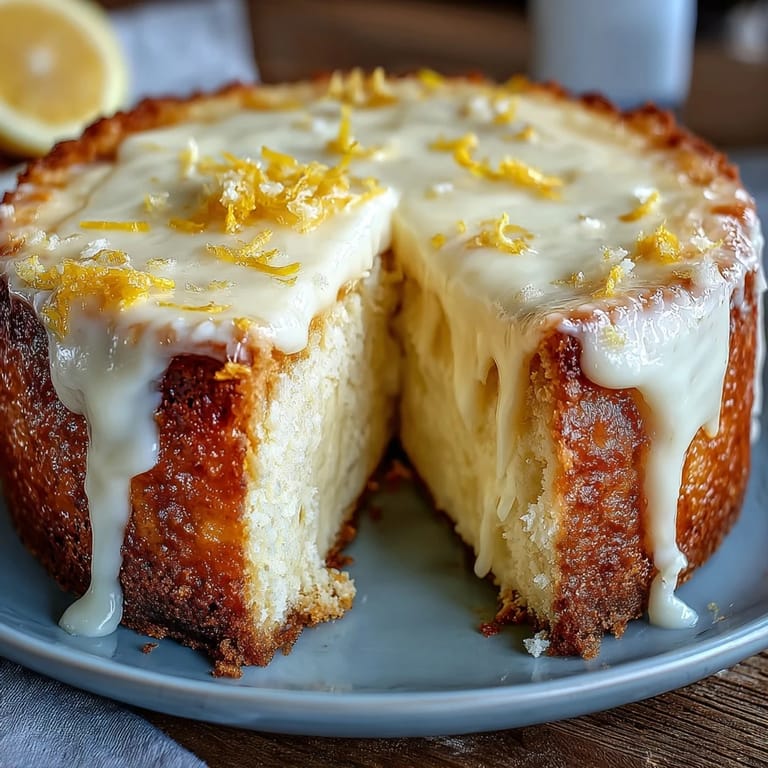
Save There's something about the moment when a tart comes out of the oven that stops time—the way the kitchen fills with that sharp, buttery lemon perfume that makes you forget whatever you were worried about that day. I discovered this particular version while testing recipes in late March, when I was tired of winter and craving something that tasted like possibility. The bright filling quivers just slightly when you move it, and that's when you know it's perfect. It became my go-to for dinner parties because it looks like you spent hours worrying over it, when really, the secret is just letting the oven do most of the work.
I made this for my neighbor Sarah one spring evening, and she sat on my kitchen stool watching the whole process, asking questions about why we chill the dough and what those pie weights actually do. She took a forkful straight from the warm tart, powdered sugar dusting her nose, and something just shifted—suddenly it wasn't about technique anymore, just about the simple joy of sharing something that tastes like sunshine. That's when I realized this tart has a gift for turning ordinary Tuesday evenings into something memorable.
Ingredients
- All-purpose flour (1 1/4 cups): The foundation of your crust—use it at room temperature so it binds more easily when mixed with cold butter.
- Cold unsalted butter (1/2 cup), cubed: Cold butter is non-negotiable here; it creates those tender, flaky layers that make this crust worth the effort.
- Powdered sugar (1/4 cup): This dissolves into the dough seamlessly and adds subtle sweetness without grittiness that granulated sugar might leave.
- Fine sea salt (1/4 tsp): Amplifies the lemon flavor in the filling and balances the sweetness beautifully.
- Large egg yolk: Binds the pastry together and adds richness that makes the crust tender rather than tough.
- Ice water (2–3 tbsp): Keep it truly cold—this is what brings the dough together without overworking it into toughness.
- Eggs and egg yolks (3 large eggs plus 2 yolks): These create that silky, custardy texture that makes lemon tart so luxurious.
- Granulated sugar (1 cup): Sweetens the filling and helps the eggs set to that perfect wobble state.
- Freshly squeezed lemon juice (2/3 cup): Fresh is everything here—bottled juice tastes flat by comparison and will disappoint you halfway through serving.
- Lemon zest (2 tsp): This is where the brightness lives; don't skip it or your tart will taste dull and one-dimensional.
- Melted butter (1/2 cup): Cool it slightly before adding to eggs so you don't scramble them, which I learned the hard way on my first attempt.
Tired of Takeout? 🥡
Get 10 meals you can make faster than delivery arrives. Seriously.
One email. No spam. Unsubscribe anytime.
Instructions
- Heat your oven and gather your resolve:
- Preheat to 350°F (175°C) and take a breath—you're about to make something beautiful. This temperature is precise, so if your oven runs hot or cold, pay attention to visual cues rather than the timer.
- Build the crust foundation:
- In a food processor, pulse flour, powdered sugar, and salt together until they're evenly mixed. Add your cold butter cubes and pulse in short bursts—you're looking for something that looks like coarse breadcrumbs with some pea-sized butter pieces still visible.
- Bring it together gently:
- Add the egg yolk and 2 tablespoons of ice water, pulsing just until the dough clumps together. If it's still dry and crumbly, add that extra tablespoon of water one spray at a time—overworking this dough will make it tough, and you'll taste that toughness in every bite.
- Rest and chill:
- Turn the dough onto a lightly floured surface, form it into a disk, wrap it in plastic, and let it chill for 30 minutes. This resting time relaxes the gluten and makes the dough easier to roll out without it shrinking back like it has a mind of its own.
- Shape your canvas:
- Roll the dough out to fit your 9-inch tart pan, pressing it gently into the corners and up the sides. Trim the excess even with the rim, prick the base all over with a fork (this prevents puffing), and line it with parchment and pie weights or dried beans.
- Blind bake for structure:
- Bake for 15 minutes with the weights in, then remove them carefully and bake another 10 minutes until the crust is pale golden. You want it partially cooked but not fully done, because it will bake again with the filling inside.
- Create the bright filling:
- In a large bowl, whisk together the eggs, egg yolks, sugar, fresh lemon juice, lemon zest, cooled melted butter, and salt until completely smooth. Taste it—if it seems too tart, you can add a touch more sugar, but remember it will taste less acidic once baked.
- Combine crust and filling:
- Pour the filling into your warm crust and transfer carefully to the oven. Bake for 20–25 minutes, watching for that gentle wobble in the center—when you shake the pan gently, the edges should be set but the middle should jiggle like custard.
- Cool with patience:
- Let it cool completely on a wire rack, then refrigerate for at least 2 hours. This chilling time is when the filling truly sets and the flavors deepen.
- Finish with grace:
- Just before serving, dust with powdered sugar and arrange lemon slices, fresh berries, or mint leaves across the top. A little beauty at the end makes people gasp.
 Save
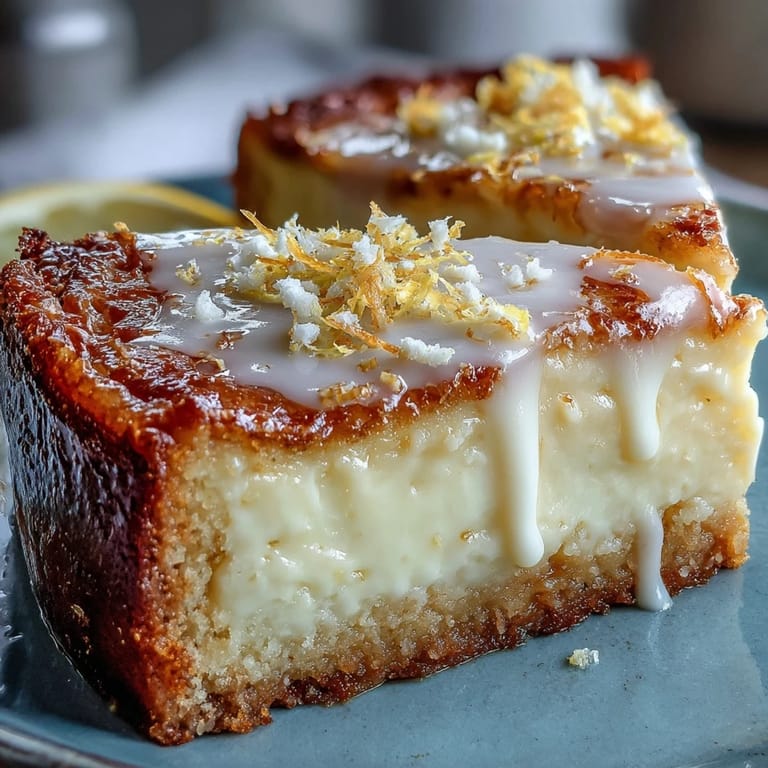
Save Years ago, my sister brought this tart to a family gathering, and I watched my usually stoic father take a bite, close his eyes, and just sit there for a moment. When he opened his eyes again, he asked for the recipe—not for himself, he said, but so he could remember this exact feeling. That's when I understood that good food isn't really about impressing people; it's about creating these small, golden moments they carry with them.
The Secret to a Perfect Crust
The difference between a crust that shatters under your fork and one that crumbles disappointingly comes down to temperature and restraint. Keep your butter cold, use ice water, and don't pulse that food processor more than necessary—every extra second of mixing develops gluten, which makes the pastry tough instead of tender. I learned this the hard way after my first attempt came out like a saltine cracker. Now I set a timer for my pulsing and stick to it religiously, because muscle memory in the kitchen is either your best friend or your worst enemy.
Why This Tart Tastes Like Spring
Lemon has a way of tasting like possibility and renewal, and that's why this tart shows up on every spring menu I've ever planned. The brightness cuts through rich foods, wakes up your palate, and somehow makes you feel lighter even as you're indulging. Serve it when the weather breaks and you want to celebrate the fact that you survived another winter—your guests will understand exactly what you mean without you having to say a word.
Serving and Pairing Ideas
This tart is confident enough to stand alone with just a cup of tea or coffee, but it also plays beautifully with others. A dollop of crème fraîche adds richness without competing, and a glass of chilled Sauternes or sparkling wine creates a moment that feels a little bit special. I've also served it alongside fresh berries when I wanted to add color and summer feeling, and alongside vanilla gelato on warm evenings when the kitchen was still hot from cooking and everyone wanted something cool.
- Crème fraîche or whipped cream is the perfect companion, adding richness without overwhelming the bright lemon.
- A crisp Sauvignon Blanc or Sauternes pairs beautifully and elevates the entire experience.
- Make it the day before if you're entertaining—it actually tastes better after sitting in the fridge overnight as the flavors meld.
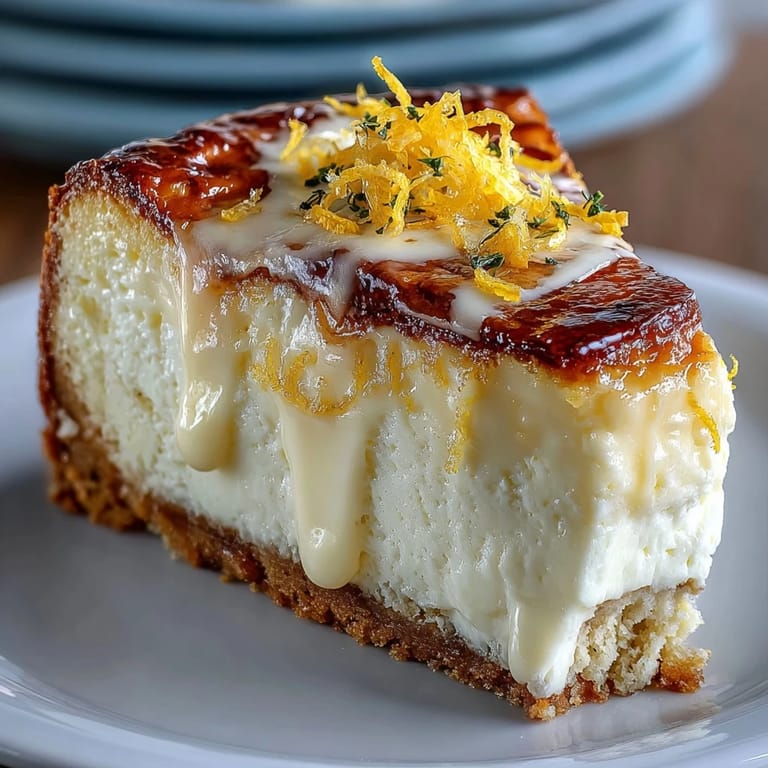 Save
Save This tart has never failed me, and now it won't fail you either. Make it, serve it with confidence, and watch how something so simple becomes the thing people ask you about for months afterward.
Recipe FAQs
- → How do I make a crisp, flaky crust?
Use cold, cubed butter and pulse it with flour and sugar until coarse crumbs form. Avoid over-mixing to keep the crust tender and flaky.
- → What’s the best way to ensure a smooth lemon filling?
Whisk together eggs, sugar, lemon juice, zest, and melted butter until fully combined and smooth before baking.
- → Can I substitute the lemon with other citrus fruits?
Yes, blood orange or lime juice can replace some or all of the lemon juice for a different flavor twist.
- → How long should the tart cool before serving?
Allow the tart to cool completely, then chill for at least 2 hours to let the filling set perfectly.
- → What garnishes work well with this tart?
Powdered sugar, thin lemon slices, fresh berries, or mint leaves add color and a fresh note to the tart.