 Save
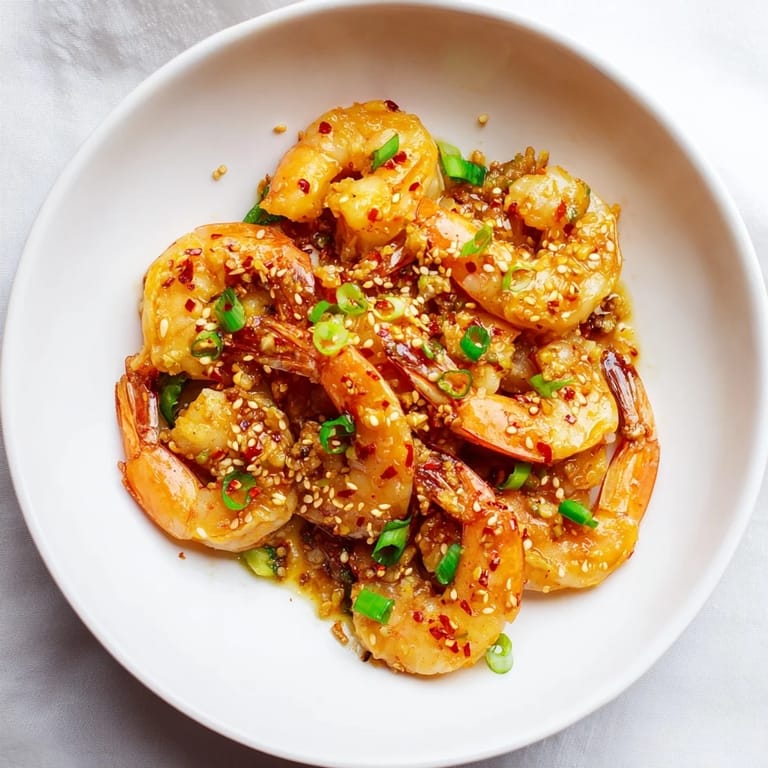
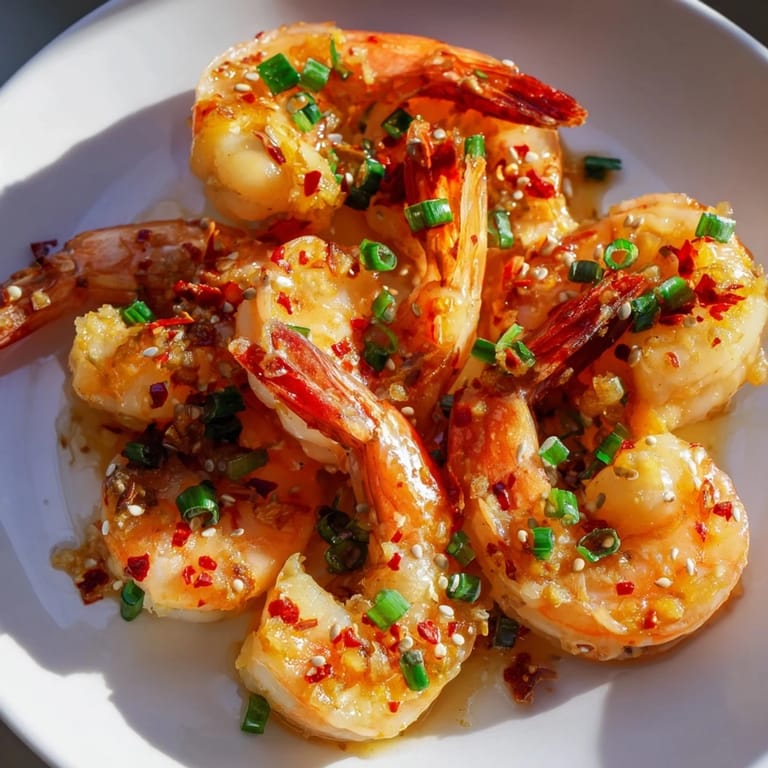
Save There's something about the smell of butter hitting hot metal that makes you feel like you're doing something right in the kitchen. I discovered this Korean garlic butter shrimp while trying to use up a bag of gochugaru that had been sitting in my pantry, and the combination of that fiery chili flake with sweet honey and rich butter completely changed how I think about weeknight cooking. What started as an improvisation became the dish I make whenever I want to feel like I'm eating something restaurant-quality without the stress.
I made this for friends who were skeptical about spicy food, and watching their faces change the moment they tasted that balance of heat and sweetness was pure satisfaction. Someone asked if I'd learned to cook Korean food, and I had to laugh because honestly, I just followed my instincts with what I had available. That night turned into a dinner that felt special without any of the pretension.
Ingredients
- 500 g large shrimp: Pat them completely dry before cooking, which I learned the hard way means using paper towels like you mean it—moisture is the enemy of a good sear.
- 3 tbsp unsalted butter: The foundation of everything rich about this dish, so don't skip it or substitute it halfway through.
- 4 cloves garlic: Minced fine so it melts into the butter rather than creating awkward chunks.
- 1 tbsp gochugaru: This Korean chili flake has a fruity heat that's different from cayenne, and it's worth finding at an Asian market or online.
- 1 tbsp soy sauce: Use gluten-free tamari if you need to, and this adds saltiness and umami depth.
- 1 tbsp honey: The sweet counterpoint that makes people ask what the secret ingredient is.
- 1 tsp sesame oil: Just a drizzle to finish, because it has a low smoke point but big flavor.
- 2 tbsp scallions and 1 tsp toasted sesame seeds: These aren't just decoration—they add texture and fresh bite that cuts through the richness.
- Lemon wedges: Optional but recommended, as the acid brightens everything on the plate.
Tired of Takeout? 🥡
Get 10 meals you can make faster than delivery arrives. Seriously.
One email. No spam. Unsubscribe anytime.
Instructions
- Prep your shrimp:
- Pat each shrimp dry with paper towels until they're no longer glistening, because any moisture will steam them instead of letting them get a proper sear in the pan.
- Build your sauce base:
- Melt butter over medium heat, then add garlic and listen for it to become fragrant after about a minute—you want that golden moment before it browns and turns bitter.
- Wake up the spices:
- Stir in the gochugaru, soy sauce, honey, and sesame oil for just 30 seconds, letting the flavors combine into a cohesive sauce that smells like something special is happening.
- Cook the shrimp:
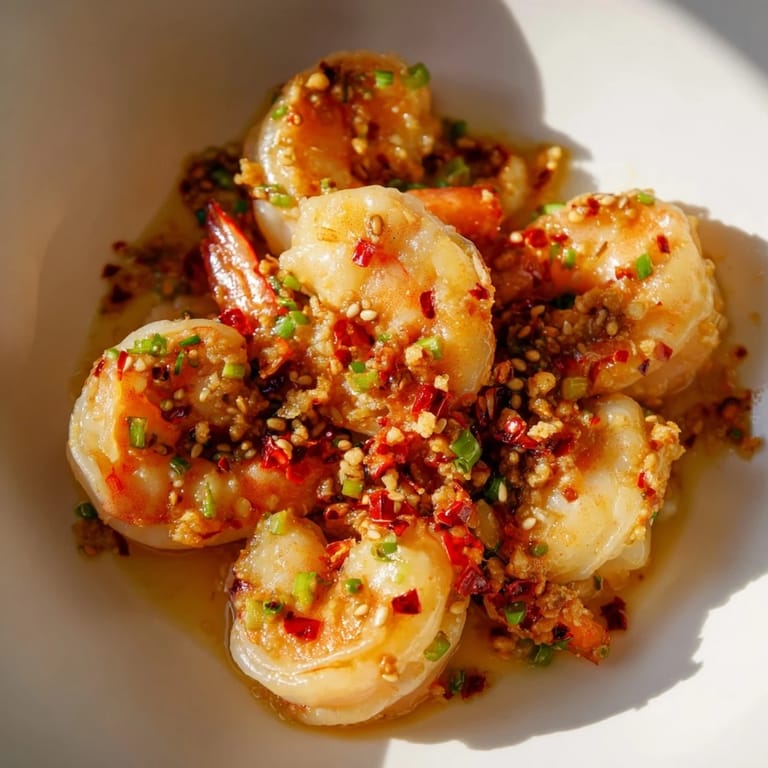
- Lay them in the skillet in a single layer and resist the urge to move them around—let them sit for 2 to 3 minutes per side until they turn that opaque pink that signals they're done. Toss everything together at the end so each piece gets coated in the sauce.
- Finish and serve:
- Transfer to a serving platter while everything is still hot, then scatter the scallions and sesame seeds on top. Serve immediately with lemon wedges nearby for anyone who wants to add brightness.
 Save
Save This dish became the one I turn to when I want to remind myself why I love cooking in the first place. There's something about feeding people food that makes them close their eyes and smile that never gets old.
Why This Matters
Korean flavors have a way of making you feel like you're discovering something new even when you're just combining ingredients that have been around forever. The combination of gochugaru's fruity heat with the sweetness of honey creates this unexpected depth that keeps you reaching for another bite, and the butter ties it all together with richness that feels indulgent without being heavy. This isn't fusion cooking trying too hard—it's just good flavors working together exactly how they should.
Timing and Temperature
The key to this whole dish is respecting the clock and the heat level. Medium heat is your friend here because it gives the garlic and spices time to bloom without burning, and it lets the shrimp cook through gently instead of becoming tough on the outside while staying cold in the middle. If your kitchen runs hot or your burner is aggressive, dial it back slightly and give yourself permission to take a few extra seconds—there's no shame in cooking a little slower for better results.
Serving and Pairing
I've served this as an appetizer on toasted baguette slices, over steamed rice as a quick weeknight meal, and tossed with fresh noodles for something more substantial. The sauce is generous enough that it deserves a vehicle to catch every drop, so think about what you're serving it with and choose accordingly. A crisp white wine like Sauvignon Blanc cuts through the richness beautifully, or if you want to keep it simple, ice water with lemon works just fine.
- Make extra sauce by doubling the butter and flavorings if you're planning to serve it over rice or noodles.
- This tastes equally good hot or at room temperature, so it works for meal prep or entertaining without last-minute reheating stress.
- Leftovers can be gently warmed in a pan or even eaten cold as part of a seafood salad the next day.
 Save
Save This recipe has become proof that sometimes the best dishes come from working with what you have and trusting your instincts. Make it for yourself on a Tuesday night or for guests on a Saturday, and either way, you'll feel like you've created something worth celebrating.
Recipe FAQs
- → What type of shrimp works best?
Large peeled and deveined shrimp are ideal for even cooking and optimal texture in this dish.
- → How spicy is the Korean chili flakes?
Gochugaru adds a moderate heat with a smoky, slightly sweet flavor, adjustable by quantity used.
- → Can I substitute butter for a dairy-free option?
Yes, a plant-based butter substitute works well while preserving the rich mouthfeel.
- → What is the best way to serve this dish?
Serve hot with lemon wedges on the side; it pairs nicely with steamed rice or noodles.
- → How do I prevent garlic from burning?
Cook minced garlic on medium heat briefly until fragrant to avoid bitterness and maintain aroma.
- → Can I adjust the sweetness in the sauce?
Yes, honey can be swapped with brown sugar or reduced depending on your preference.