 Save
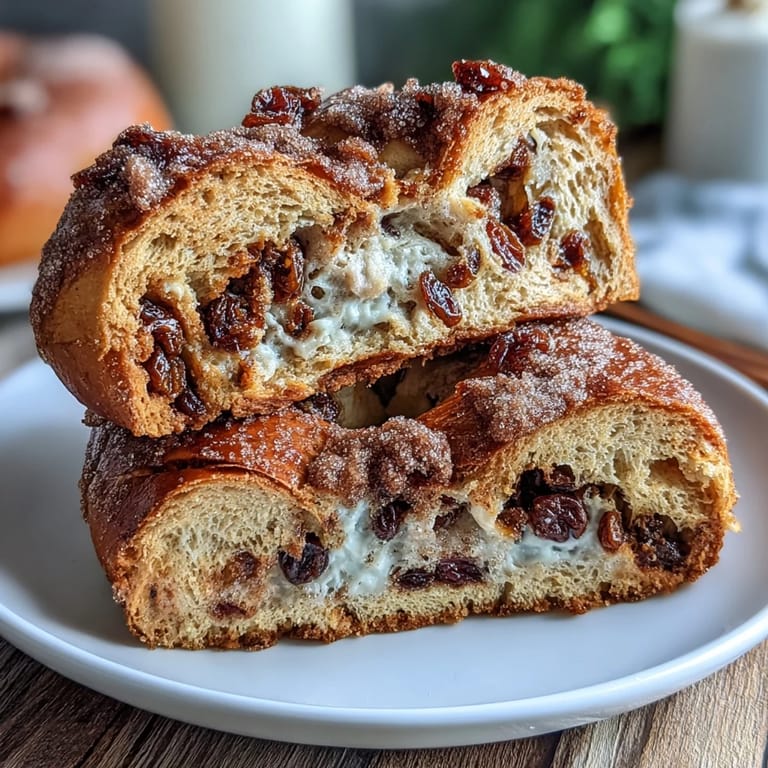
Save I discovered these bagels on a Tuesday morning when my usual breakfast routine felt stale. My gym buddy had mentioned she was tired of protein shakes, and I thought—why not bake something chewy and satisfying that actually tastes like breakfast instead of a supplement? The first batch came out dense, but by the third attempt, when I added Greek yogurt to the dough, something clicked. The bagels became pillowy and tender, packed with 14 grams of protein per bagel, and the cinnamon-raisin swirl reminded me why homemade is always worth the effort.
I made a batch for my sister during her first week of marathon training, and she ate two before she even finished her coffee. She texted me later asking if I could freeze them, which felt like the highest compliment. Now whenever she's in a training cycle, these bagels appear in her freezer, and it's become this small ritual between us.
Ingredients
- Bread flour (3 cups): This is crucial—all-purpose flour won't give you that chewy structure that makes these bagels shine, so don't swap it.
- Vanilla or plain whey protein powder (1 cup): Choose a quality powder without artificial sweeteners, as they can affect the dough's rise and final texture.
- Ground cinnamon (2 tsp): This is your backbone flavor, so use fresh cinnamon from a container you haven't had sitting open for three years.
- Granulated sugar (2 tbsp): Feeds the yeast and balances the cinnamon's warmth without making these sweet breakfast items.
- Instant dry yeast (2 1/4 tsp): Check your expiration date—old yeast means flat, disappointing bagels.
- Salt (1 tsp): Enhances flavor and strengthens the gluten network, so don't skip it or reduce it.
- Plain Greek yogurt (1 cup): This is what makes these bagels tender and keeps them fresh longer; use full-fat or 2%, not non-fat.
- Warm water (1/2 cup): The temperature matters—too hot kills the yeast, too cold and it won't activate properly.
- Raisins (3/4 cup): Plump them in warm water for five minutes before adding if you prefer them extra tender, or add them dry if you like a little chew.
- Water for boiling (2 quarts): This creates the bagel's signature crust and chew, so don't skip this step or rush it.
- Honey or barley malt syrup (1 tbsp, optional): Gives the bagels a beautiful mahogany shine and subtle sweetness on the crust.
Tired of Takeout? 🥡
Get 10 meals you can make faster than delivery arrives. Seriously.
One email. No spam. Unsubscribe anytime.
Instructions
- Combine your dry mixture:
- Whisk together the bread flour, protein powder, cinnamon, sugar, yeast, and salt in a large bowl until everything is evenly distributed. This prevents clumps of cinnamon or dry yeast scattered throughout your dough.
- Bring the wet ingredients together:
- Add the Greek yogurt and warm water to the dry mixture, stirring with a wooden spoon until a shaggy dough forms. Don't worry if it looks rough—that's exactly what you want at this stage.
- Knead until smooth:
- Transfer the dough to a lightly floured surface or use a stand mixer with a dough hook and knead for 8 to 10 minutes until the dough is smooth, elastic, and slightly tacky but not sticky. You'll feel the transformation under your hands as the gluten develops.
- Fold in the raisins:
- Gently press the raisins into the dough and knead briefly until they're evenly scattered throughout. This takes less than a minute, and you want them distributed without being crushed.
- Let it rise:
- Place the dough in a lightly greased bowl, cover with a damp towel, and set it in a warm spot for about 1 hour until it's roughly doubled in size. A warm oven with the light on works perfectly if your kitchen is chilly.
- Shape into bagels:
- Punch down the dough to release gas, divide it into 8 equal pieces, and shape each one into a ball. Poke a hole through the center with your thumb and gently stretch it into a bagel shape with a hole about the size of a quarter.
- Rest the formed bagels:
- Place them on a parchment-lined baking sheet, cover loosely, and let them rest for 15 minutes. This prevents them from tightening up during boiling.
- Heat your oven and water:
- Preheat the oven to 425°F and bring 2 quarts of water to a gentle boil, stirring in honey or barley malt syrup if you want that shine.
- Boil with care:
- Working in batches of 2 to 3 bagels, gently place them in the boiling water and boil for exactly 1 minute per side. Use a slotted spoon to flip and retrieve them, and return them to the baking sheet.
- Optional egg wash and topping:
- Brush the boiled bagels with beaten egg and sprinkle generously with cinnamon sugar if you like a sweeter, shinier top. This step is optional but transforms the appearance and adds a pleasant crunch.
- Bake until golden:
- Transfer to the oven and bake for 20 to 25 minutes until they're deep golden brown and cooked through. The bottoms should sound slightly hollow when tapped.
- Cool before slicing:
- Transfer to a wire rack and let them cool for at least 15 minutes before slicing. I know it's hard to wait, but this sets the crumb structure so they don't fall apart.
 Save
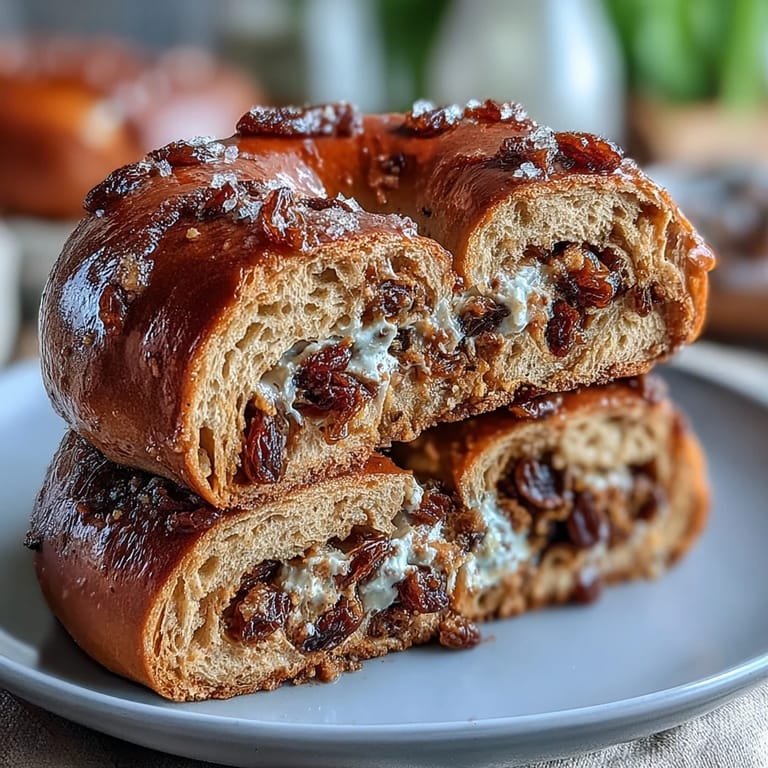
Save There was one morning when I burned an entire batch because I set the oven temperature to 450°F instead of 425°F and got distracted. My roommate came into the kitchen asking what the smell was, and we both laughed—they weren't ruined, just darker and slightly crunchier than intended, but honestly, they were still delicious with cream cheese. That moment taught me that bagels are forgiving if you stay present.
Customization Ideas That Work
The beauty of this recipe is its flexibility without losing what makes it special. I've swapped raisins for dried cranberries when I wanted something tart, and I've added a pinch of nutmeg or orange zest to the dough on mornings when I wanted depth without changing the structure. One friend uses whole wheat flour for 30% of the bread flour and loves the earthier flavor, though it does make them slightly denser.
Storing and Freezing for the Week
These bagels actually improve after a day or two because the crumb continues to set and they stay remarkably soft. I store them in a paper bag on the counter for up to three days, and they never turn rock hard like store-bought varieties. For longer storage, wrap them individually in parchment paper, place them in a freezer bag, and freeze for up to a month—they thaw beautifully and can be toasted straight from frozen.
Serving Suggestions and Perfect Pairings
Beyond cream cheese, these bagels shine with ricotta and honey, almond butter and a drizzle of maple syrup, or even scrambled eggs if you're making them more savory. My personal favorite is thick Greek yogurt with a touch of honey and fresh berries, which creates this balance between the bagel's chewiness and the creamy topping. I've also toasted them and topped them with smashed avocado on busy mornings when I needed something quick but substantial.
- Toast them within a day for extra crunch, or eat them fresh and soft straight from the cooling rack.
- If you're baking for a crowd, you can prepare and shape the bagels the night before, refrigerate them, and boil and bake them the next morning.
- The protein powder means these actually keep you full unlike regular bagels, so one is often enough even if you're tempted to reach for two.
 Save
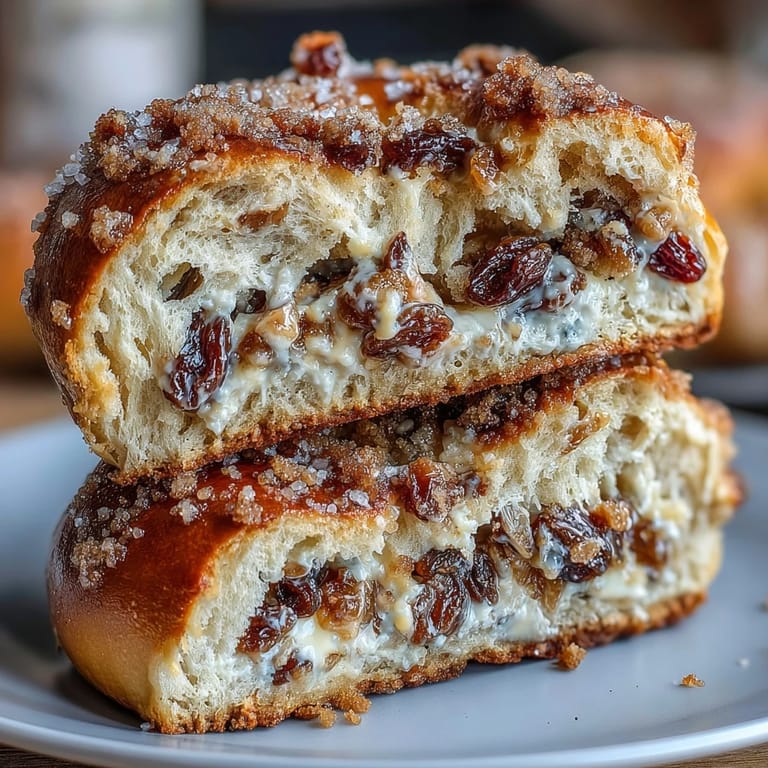
Save These bagels have become my go-to proof that homemade breakfast doesn't have to be complicated to be better. They're reliable, freezer-friendly, and genuinely nutritious in a way that feels less like tracking macros and more like taking care of yourself.
Recipe FAQs
- → How does Greek yogurt affect the bagel texture?
Greek yogurt adds moisture and tenderness, resulting in softer bagels with a slight tang that enhances the overall flavor.
- → Can I substitute raisins with other dried fruits?
Yes, dried cranberries or chopped dates work well as alternatives, providing a different but complementary sweetness.
- → Why boil the bagels before baking?
Boiling sets the crust, creating a chewy exterior while maintaining a soft interior, which is key for traditional bagel texture.
- → Is the protein powder essential in this dough?
Protein powder boosts nutritional value and slightly enhances dough structure, but you can omit it for a classic taste and texture.
- → What is the purpose of cinnamon in the dough?
Cinnamon adds a warm, aromatic spice that complements the sweetness of raisins and adds depth to the flavor.