 Save
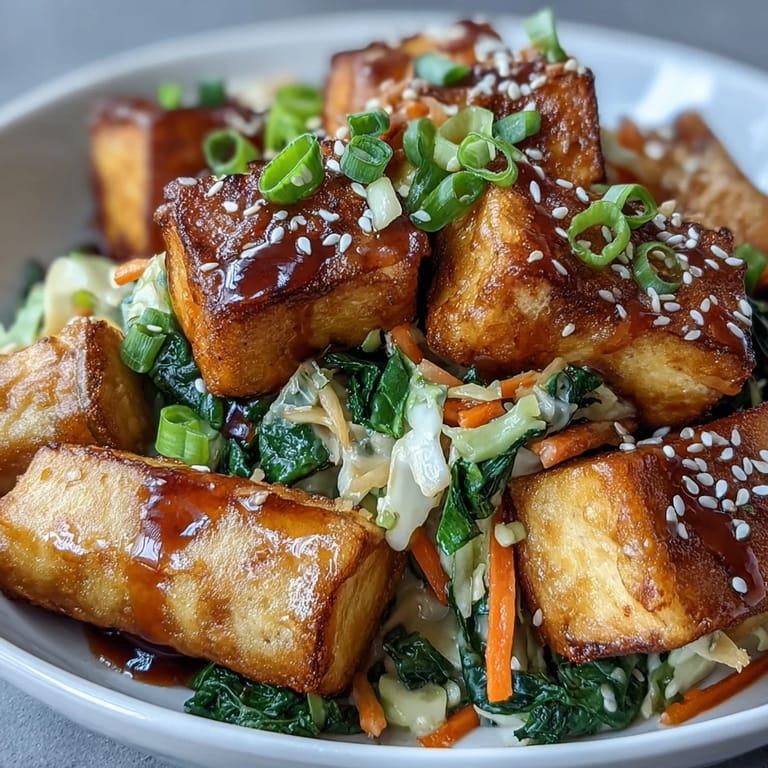
Save There's something about watching tofu transform from bland and wibbly into something genuinely craveable that made me fall for this bowl. My partner was skeptical about plant-based cooking until I served this one weeknight, and the way she went back for seconds told me everything. The inspiration hit me while craving egg rolls but wanting something lighter, fresher, and honestly faster to throw together. What emerged was this golden-tofu-and-greens situation that tastes far more indulgent than the fifteen minutes it takes to pull off. Now it's my go-to when I want restaurant vibes without the delivery wait.
I made this for my meal-prep Sunday with a friend who'd just gone vegan, and watching her eyes light up when she realized this wasn't kale salad was genuinely touching. She'd been nervous about finding foods that felt fun and filling, and somehow this humble bowl of stir-fried vegetables with crispy tofu became the thing she requested every week after. That's when I knew the recipe had crossed over from just being good into being something people actually crave and ask for by name.
Ingredients
- Extra-firm tofu: Pressing it thoroughly (seriously, don't skip this step) removes water so it crisps beautifully instead of steaming in the pan, and the cornstarch coating adds that golden exterior you're after.
- Green cabbage: The raw crispness provides textural contrast and won't completely wilt, keeping the bowl interesting even after mixing.
- Kale: Tougher than spinach so it holds up to the heat without turning into mush, plus it gives you a vitamin-dense chew.
- Spinach: Wilts quickly at the end and adds a subtle earthiness that rounds out the brighter cabbage notes.
- Carrot: Julienned thin means it cooks through in minutes while staying slightly snappy, and the natural sweetness balances the savory sauce.
- Fresh ginger and garlic: These build the aromatic base that makes your kitchen smell restaurant-quality within seconds of hitting the hot oil.
- Toasted sesame oil: A small amount goes far, adding toasty depth that soy sauce alone can't deliver, so don't be tempted to skip it.
- Rice vinegar: The acidity cuts through richness and keeps the bowl from feeling heavy, even though you're using oil.
Tired of Takeout? 🥡
Get 10 meals you can make faster than delivery arrives. Seriously.
One email. No spam. Unsubscribe anytime.
Instructions
- Press and cube your tofu:
- Wrap the block in a clean kitchen towel and place it on a plate, then weight it down with something heavy for at least ten minutes. This removes moisture so the cubes will fry instead of steam and actually develop that golden, slightly crispy exterior you're after.
- Coat in cornstarch and fry:
- Toss the pressed cubes in cornstarch (just one tablespoon for four hundred grams) so they get an even, light coating. Heat your oil over medium-high heat and let each side spend about two minutes touching the pan before turning, listening for that gentle sizzle that tells you golden things are happening.
- Build the aromatic base:
- In the same hot pan, add your minced garlic, ginger, and green onion whites, and just wait for thirty seconds until the kitchen fills with that sweet, pungent smell. That aroma means the flavors are waking up and will coat everything else you're about to add.
- Cook the sturdy vegetables first:
- Add the sliced cabbage, kale, and julienned carrot, then stir almost constantly for three to four minutes so everything gets kissed by the hot pan and the oil. You want them just tender enough to eat easily but still with enough snap to make each bite interesting.
- Wilt the spinach gently:
- Drop in the spinach and let it soften for about a minute without too much agitation, just folding it into the pan rather than aggressively stirring. This keeps it from breaking down into tiny pieces and maintains some structural integrity.
- Make your sauce in a separate bowl:
- Whisk together soy sauce, rice vinegar, toasted sesame oil, maple syrup, and white pepper before adding it to the pan, so everything mixes evenly and the flavors don't clump. White pepper (not black) keeps the bowl visually clean while still delivering heat and sharpness.
- Bring everything together:
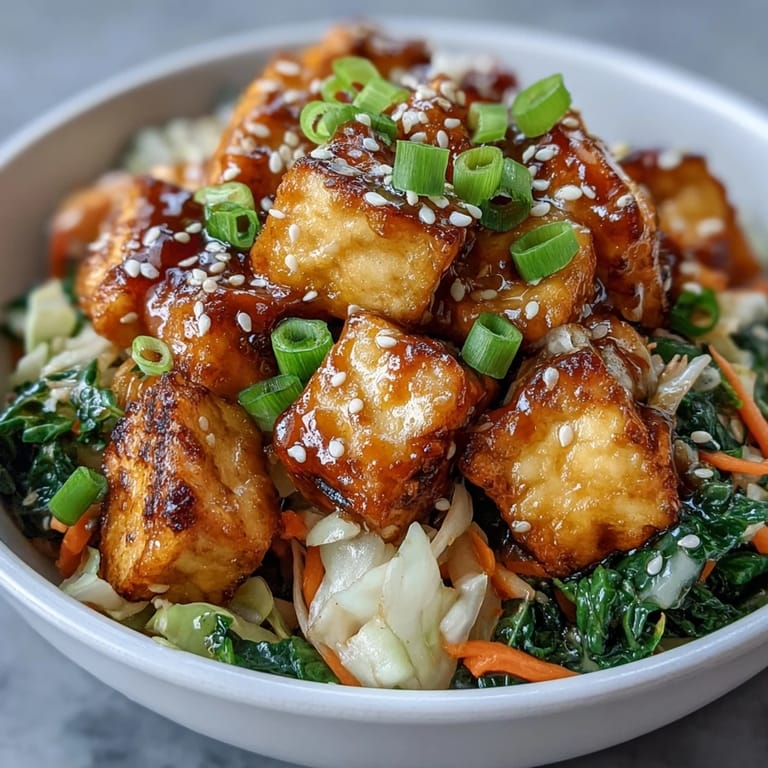
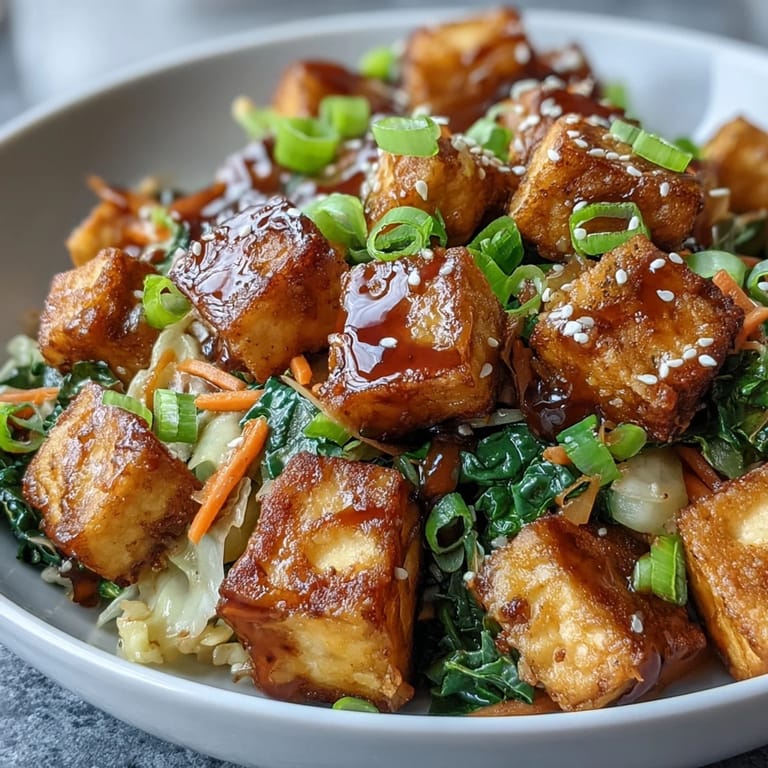
- Return the crispy tofu to the pan and pour that sauce over everything, then toss gently for about two minutes so the sauce coats each piece and everything heats through without breaking the tofu apart. You should see a light glaze forming and smell that incredible umami-forward aroma that makes you immediately hungry.
 Save
Save My favorite moment with this recipe happened when my ten-year-old nephew asked for seconds without being prompted, which is basically a miracle in a house where vegetables are typically negotiated. Seeing him actually enjoy tofu made me realize that good cooking isn't about rigid rules or fancy techniques; it's about creating dishes so genuinely tasty that everyone at the table wants to come back for more. That shift from tolerable to actually crave-worthy is where the real magic lives.
Why Tofu Gets a Bad Reputation (And How This Fixes It)
Most people's experience with tofu involves a sad, bland block that tastes vaguely of nothing in a mediocre stir-fry, so they assume tofu itself is the problem. The truth is that tofu is a flavor sponge—it takes on whatever you surround it with, so mediocre preparation yields mediocre results. This recipe succeeds because the tofu gets two chances to shine: first when it's fried crispy and golden, then again when it's coated in a properly balanced sauce. Once you taste properly cooked tofu, you stop blaming the ingredient and start wondering why anyone ever thought steaming it was acceptable.
Building Depth Without Meat
The umami richness in this bowl comes from the combination of soy sauce, toasted sesame oil, and ginger working together, creating a savory depth that makes you completely forget there's no meat involved. I learned this by accident when I once substituted regular oil for toasted sesame oil and the entire dish fell flat, tasting thin and one-dimensional. That single ingredient shift reminded me that in plant-based cooking, every component has to pull its weight because you don't have the richness of animal fats to fall back on. Now I taste every layer as I build it, adjusting and tasting until the sauce tastes like something you'd happily eat straight from a spoon.
Customizing Without Losing the Thread
The structure of this bowl is flexible enough that you can swap vegetables based on season or what's in your crisper drawer without losing the essential character of the dish. I've made it with bok choy instead of kale when that's what I had, with snap peas for extra crunch, or even with broccoli when I wanted something heartier and more substantial. The sauce, tofu, and aromatics form the backbone that holds everything together, so as long as you keep those elements steady, you can play with the vegetables and still land in delicious territory. The only vegetables I'd avoid are ones that release a lot of water (like zucchini), since they'll dilute the sauce and make the whole thing soggy.
- Brown rice or quinoa transforms this into a complete meal that genuinely fills you up until dinner.
- Crispy wonton strips or crushed peanuts add crunch that makes the texture profile go from good to genuinely exciting.
- A drizzle of chili oil at the end brings warmth without overwhelming the more delicate vegetable flavors.
 Save
Save This bowl has become my answer to the question I used to dread: what do you eat if you're trying to eat less meat? Now I answer with genuine enthusiasm because I've actually craved this enough to make it multiple times a week. It's proof that plant-based cooking isn't about sacrifice—it's about discovering what actually tastes good when you stop relying on one ingredient and start learning to layer flavors instead.
Recipe FAQs
- → How do I get crispy tofu?
Press your tofu thoroughly to remove excess moisture, then coat cubes evenly in cornstarch before pan-frying. Cook over medium-high heat for 6-8 minutes, turning until all sides are golden and crispy.
- → Can I make this gluten-free?
Yes, simply substitute tamari for the soy sauce. All other ingredients are naturally gluten-free, making this an easy gluten-free adaptation.
- → What vegetables work best?
Green cabbage provides the classic crunch and sweetness, but you can swap kale for bok choy, add napa cabbage, or include sliced bell peppers and snap peas for more variety.
- → How should I store leftovers?
Store in an airtight container in the refrigerator for up to 3 days. Reheat in a skillet over medium heat to maintain the tofu's texture, or enjoy cold for a quick lunch.
- → Can I add grains to make it more filling?
Absolutely. Serve over brown rice, quinoa, or rice noodles for a heartier meal. You can also add extra protein like edamame or peanuts for more substance.
- → Is pressing tofu really necessary?
Yes, pressing tofu removes excess water which allows it to absorb the cornstarch coating and become crispy when pan-fried. Without pressing, tofu tends to steam rather than crisp up.