 Save
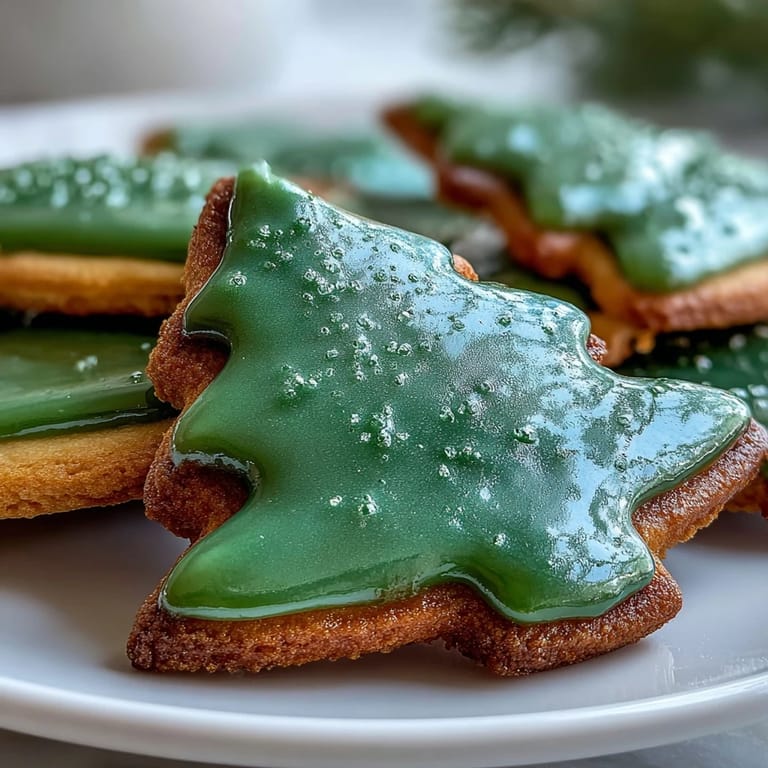
Save My kitchen smelled like butter and vanilla the morning I decided to make something green that wasn't a salad. A friend had challenged me to bake cookies festive enough for St. Patrick's Day without looking like I'd raided a craft store, and these shamrock sugar cookies became my answer. There's something magical about watching a simple dough transform into emerald-topped little clovers, especially when you're racing against time before guests arrive. The buttery base holds up beautifully to the glossy royal icing, and suddenly your kitchen becomes a place where luck and sweetness are the only ingredients that matter.
I made these for my office three years ago, and somehow they became the unofficial start of our St. Patrick's Day tradition. People would ask for them by name, which felt ridiculous and wonderful at the same time, since they're just cookies wearing green icing. That year someone brought them to a potluck and they vanished in twenty minutes—I watched it happen from across the room, slightly stunned. Now every March I find myself in the kitchen on a Tuesday night, piping shamrocks and remembering why something as simple as a decorated cookie can make people smile.
Ingredients
- All-purpose flour (2 1/2 cups): The backbone of your dough—make sure to spoon and level it rather than scooping straight from the bag, because overpacking flour is the quiet culprit behind dense, tough cookies.
- Unsalted butter (3/4 cup), softened: This means leaving it on the counter for 20 minutes, not nuking it in the microwave; soft butter creams into fluffy clouds that make cookies tender.
- Granulated sugar (1 cup): The sweetness that brightens everything; this isn't the place to substitute brown sugar, which would muddy your pale base.
- Egg (1 large): Your dough's binding agent and moisture keeper—use it straight from the bowl, no beating it separately first.
- Vanilla extract (1 teaspoon) and almond extract (1/2 teaspoon, optional): Vanilla is non-negotiable; the almond is a whisper of warmth that makes people ask what your secret ingredient is.
- Baking powder (1/2 teaspoon) and salt (1/4 teaspoon): These lift the dough just slightly and balance the sweetness without announcing themselves.
- Powdered sugar (2 cups), sifted: Sifting isn't optional here—lumps will ruin your smooth icing, and nobody wants to pipe lumpy royal icing.
- Meringue powder (2 tablespoons): This stabilizes your icing so it sets firm and glossy instead of staying sticky forever; it's worth finding in the baking aisle.
- Green gel food coloring: Gel is more concentrated than liquid, so you won't thin out your icing getting the shade you want; liquid coloring turns icing watery and disappointing.
Tired of Takeout? 🥡
Get 10 meals you can make faster than delivery arrives. Seriously.
One email. No spam. Unsubscribe anytime.
Instructions
- Mix your dry ingredients first:
- Whisk flour, baking powder, and salt in a medium bowl and set it aside—this ensures your leavening is evenly distributed and no pockets of baking powder end up in one cookie. It takes two minutes and saves you from baking disasters.
- Cream butter and sugar until clouds form:
- Use an electric mixer on medium speed for about 2 minutes until the mixture is pale, fluffy, and almost doubled in volume. This is where your cookies get their tender texture, so don't rush it or skip it.
- Add the egg and extracts:
- Beat them in one at a time until fully combined, scraping down the bowl's sides as you go. The almond extract is optional but adds a subtle nuttiness that makes people lean in for another cookie.
- Bring dry and wet ingredients together:
- Pour the dry ingredients into the wet and mix on low speed just until the dough comes together—overmixing here develops gluten and makes cookies tough. Stop as soon as you don't see streaks of flour.
- Chill your dough:
- Divide dough into two discs, wrap tightly in plastic wrap, and refrigerate for at least 1 hour, or even overnight. Cold dough is easier to roll and cut, and it holds its shape in the oven instead of spreading into blobs.
- Roll and cut with confidence:
- On a lightly floured surface, roll dough to 1/4-inch thickness and use your shamrock cutter with a quick, firm press—don't twist or wiggle the cutter, which seals the edges and prevents rising. Transfer cut cookies to parchment-lined baking sheets, spacing them 1 inch apart.
- Bake until edges whisper golden:
- Bake at 350°F for 8 to 10 minutes; the edges should barely begin to turn golden while the centers still look slightly underbaked. They'll firm up as they cool, and you'll be rewarded with tender centers instead of crunchy hockey pucks.
- Make your royal icing smooth and glossy:
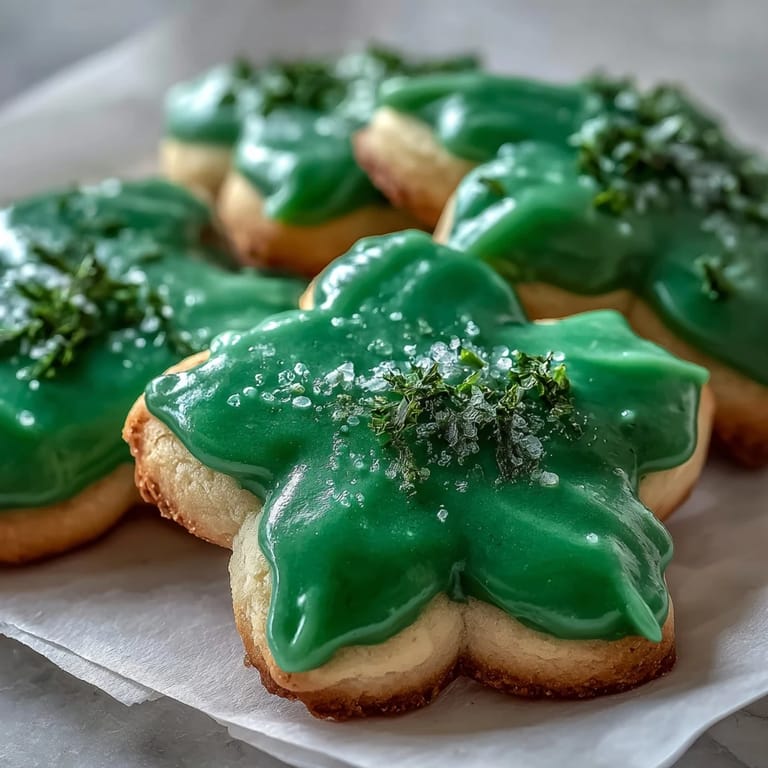
- Combine sifted powdered sugar and meringue powder, add water and vanilla, and beat on low speed for 5 to 7 minutes until the icing is smooth and shiny. Add green gel coloring drop by drop until you hit your desired shade, mixing well after each addition.
- Pipe and flood with patience:
- Transfer icing to a piping bag with a small round tip, pipe an outline around each shamrock, then fill the center by flooding with thinner icing. Let it set for at least 1 hour before stacking or packaging, giving the icing time to harden.
 Save
Save I learned the power of these cookies the year my neighbor knocked on the door holding one, still in its shamrock shape, telling me it was so pretty she almost didn't want to eat it. Then she took a bite and changed her mind immediately, laughing at herself. That moment—watching someone choose deliciousness over perfection—reminded me why baking for others matters.
The Right Tools Make All the Difference
A shamrock cookie cutter is essential, though honestly, if you can't find one, a leaf-shaped cutter or even three circles arranged in a triangle will work just fine. An electric mixer saves your arm from cramping during the creaming phase, and a piping bag with a small round tip transforms your icing into something that looks intentional rather than haphazard. Parchment paper is your friend because it prevents sticking without needing you to grease pans, and a wire rack lets cookies cool evenly so they don't sweat on warm baking sheets.
Timing and Storage Wisdom
These cookies can be made a day ahead and stored in an airtight container at room temperature, which means you can spread out the work instead of cramming everything into one afternoon. The undecorated dough freezes beautifully for up to three months, so you can bake fresh cookies whenever the mood strikes. Once decorated and set, they stay fresh for about a week, though they're usually gone long before that.
Variations and Personal Touches
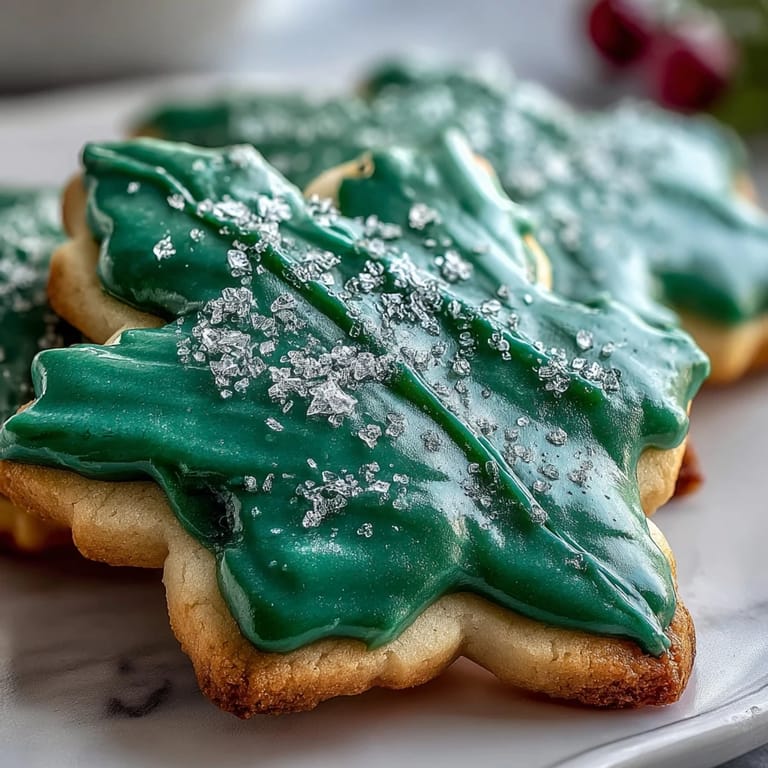
The beauty of this recipe is its flexibility—you can skip the almond extract if you prefer pure vanilla, or add a pinch of nutmeg for unexpected warmth. Some people love adding edible gold glitter or sprinkles to wet icing for extra festive flair, while others prefer the clean elegance of solid green. You can also pipe delicate designs onto the green base, drawing little shamrock veins or adding tiny dots around the edges.
- Try a two-tone icing effect by piping pale green outlines and flooding with darker green centers for dimension.
- Store undecorated cookies in an airtight container and decorate them fresh the morning of serving for maximum visual impact.
- If your icing is too stiff to pipe, add water one teaspoon at a time; if it's too thin, sift and add more powdered sugar gradually.
 Save
Save These cookies are small enough to feel like a treat and festive enough to make people remember them long after March fades into April. Bake them once and you'll find yourself reaching for the recipe every year.
Recipe FAQs
- → What gives the cookies their green color?
Green gel food coloring is added to the royal icing, creating the vibrant shamrock hue without altering the taste.
- → How long should the dough be chilled?
The dough should be refrigerated for at least one hour to firm up, making it easier to roll and shape.
- → Can almond extract be omitted?
Yes, almond extract is optional and can be omitted without affecting the cookie's core flavor.
- → How is royal icing prepared for decorating?
Powdered sugar is mixed with meringue powder, water, and vanilla, then beaten until smooth and glossy before adding green food coloring.
- → What is the ideal baking time for these cookies?
Bake for 8 to 10 minutes at 350°F until edges begin to turn golden for a tender texture.