 Save
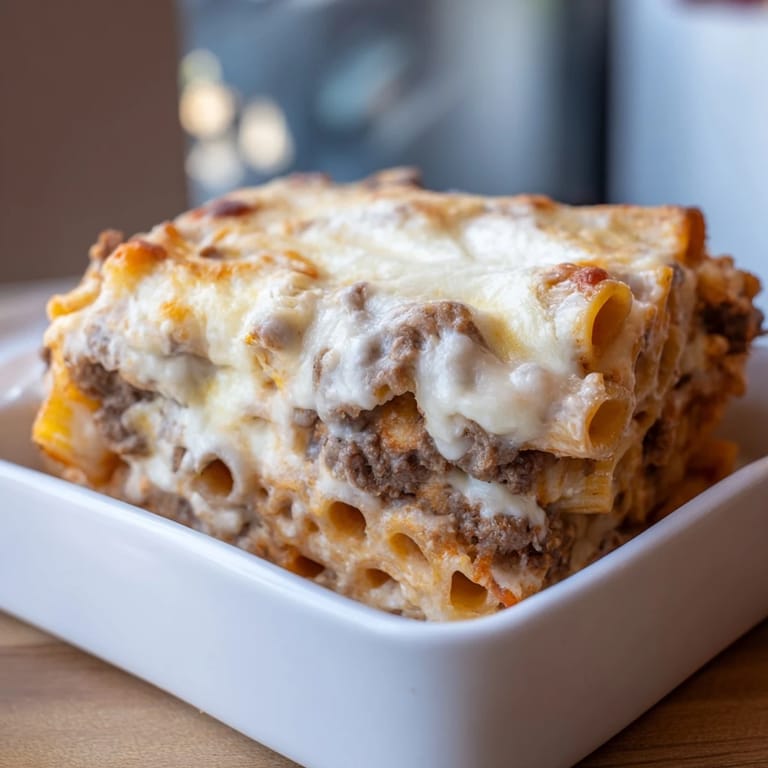
Save My brother came home from college one November with nothing but leftovers and a story about his dorm kitchen. He'd watched his roommate's mom pack a container of shredded turkey and homemade gravy, and he spent that whole drive home thinking about it. When he arrived with half of it still left, I realized I had the ingredients for something better than just reheating—something that would stretch it into a real meal for all of us. That's when the Moist Maker pasta casserole was born, born from the simple truth that good leftovers deserve a second act.
I made this for a potluck one winter evening, and I watched people go back for thirds without even thinking about it. No one asked what was in it—they just kept eating. There's something about a casserole that feels like permission to be generous with yourself, and this one especially, because it's built on the idea that nothing should go to waste and everything should taste like home.
Ingredients
- Penne or rigatoni pasta (400 g): These tubular shapes trap the creamy sauce and gravy, so skip delicate pastas—you want something sturdy enough to hold all that goodness.
- Turkey or chicken gravy (300 ml): This is your secret weapon for moisture; store-bought works just fine, but homemade tastes richer and deeper.
- Cooked turkey breast (400 g), shredded or chopped: You can use any cooked poultry here, even roast chicken or rotisserie chicken in a pinch.
- Mozzarella cheese (200 g), shredded: It melts smoothly and adds a gentle creaminess without overpowering the other flavors.
- Sharp cheddar cheese (100 g), shredded: This brings tang and a slightly more pronounced flavor that balances the mild mozzarella.
- Parmesan cheese (30 g), grated: The finishing touch that adds nuttiness and helps the top brown beautifully.
- Medium onion, finely chopped: Don't skip this—it softens into the sauce and builds a savory foundation for everything else.
- Garlic (2 cloves), minced: A little goes a long way here to add depth without dominating.
- Olive oil (1 tbsp): Use regular olive oil, not extra virgin, since heat breaks down the delicate flavors anyway.
- Frozen peas (120 g, optional): They add sweetness and color, and they don't need thawing if you add them straight from the freezer.
- Dried thyme (1 tsp): It ties everything together with an earthy, almost woody note that feels seasonal.
- Whole milk (250 ml): Don't use skim here; the fat is what makes the sauce silky and luxurious.
- All-purpose flour (2 tbsp): This thickens the milk into a creamy base that acts like a binder.
- Unsalted butter (2 tbsp): Added to the sauce for richness and to round out the flavors.
- Salt and black pepper: Season as you taste, especially since the gravy already brings saltiness.
Tired of Takeout? 🥡
Get 10 meals you can make faster than delivery arrives. Seriously.
One email. No spam. Unsubscribe anytime.
Instructions
- Prep your oven and dish:
- Set your oven to 190°C (375°F) and lightly grease your 9x13-inch baking dish so nothing sticks and cleanup is easier. You want the dish ready to go the moment your pasta is cooked.
- Cook the pasta to just al dente:
- Bring a large pot of salted water to a rolling boil, then add your pasta and cook until just barely tender—it should still have a slight resistance when you bite it. Drain it well and set aside; you don't want extra water watering down your final dish.
- Build the creamy onion sauce:
- Heat olive oil in a skillet over medium heat, then add your chopped onion and let it soften for about 5 minutes until it's translucent and starting to smell sweet. Stir in the minced garlic, thyme, salt, and pepper, and cook for just 1 more minute until fragrant.
- Make the milk mixture:
- Sprinkle the flour over the cooked onions and stir constantly for about 1 minute so the flour cooks out and loses its raw taste. Slowly pour in the milk while whisking, and keep stirring until the sauce thickens noticeably—this should take 2 to 3 minutes. Take it off the heat and stir in the butter until it's completely melted and glossy.
- Combine pasta with sauce and meat:
- In a large bowl, toss together your cooked pasta, the creamy onion sauce, shredded turkey, peas if you're using them, and half of each cheese (half the mozzarella, half the cheddar, and half the Parmesan). Mix gently so everything is coated and distributed.
- Layer the first half:
- Spread half of this pasta mixture into your prepared baking dish in an even layer, pressing it down slightly so it's compact.
- Pour the gravy down the middle:
- This is the magic step—evenly pour or spoon the gravy over this middle layer of pasta, letting it soak in slowly. This creates the signature moist center that makes every bite tender and flavorful.
- Top with remaining mixture:
- Add the rest of your pasta mixture on top of the gravy layer, spreading it gently and evenly. Sprinkle the remaining mozzarella, cheddar, and Parmesan over the top for a golden, cheesy finish.
- Bake until golden and bubbling:
- Put the casserole in the oven uncovered for 30 to 35 minutes, until the top is golden brown and you can see it bubbling around the edges. The cheese should be melted and the whole dish should smell irresistible.
- Rest before serving:
- Pull the casserole from the oven and let it sit for 10 minutes before you cut into it. This cooling time allows everything to set slightly so it holds together when you serve it, and it gives the flavors a chance to settle.
 Save
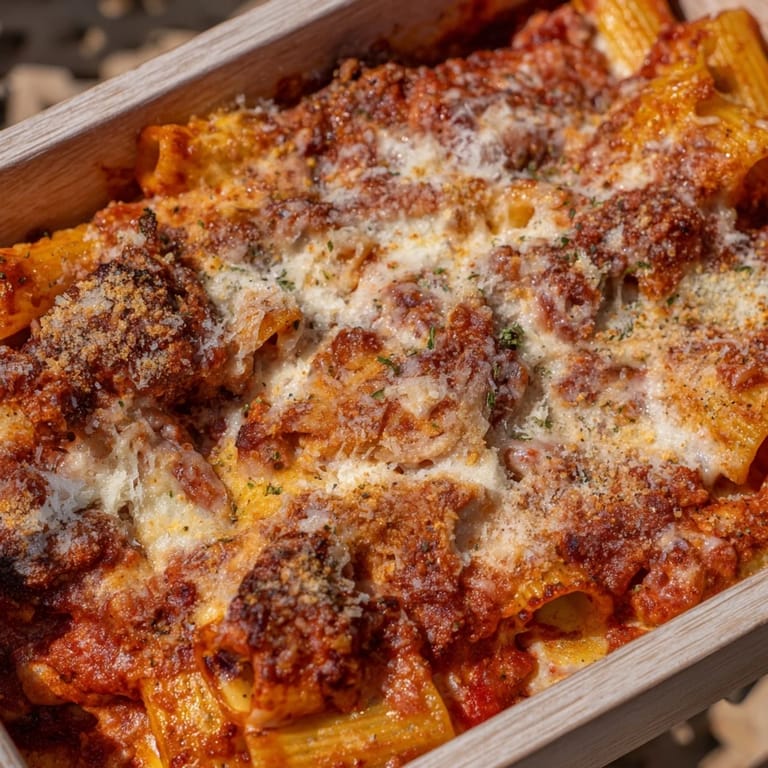
Save I remember my sister taking a bite of this straight from the oven, and her eyes went wide—not because it was fancy, but because it was exactly what she didn't know she needed. That's when I realized this casserole wasn't really about leftovers at all; it was about turning scraps into something worth gathering around.
Using Leftovers Wisely
This casserole exists because leftovers are precious, and treating them with respect means they never feel like second-class meals. Turkey from Thanksgiving, roast chicken from Sunday dinner, or even shredded ham—they all transform into something that tastes intentional and complete. The key is not to just reheat and serve, but to give those leftovers a new shape, a new sauce, a new identity that makes them worth looking forward to.
Variations and Swaps
Once you've made this once, you'll start seeing possibilities everywhere. Sautéed mushrooms add an earthy depth, fresh spinach brings color and nutrition, and a handful of sun-dried tomatoes can shift the whole mood of the dish. Some people add a splash of white wine to the sauce for complexity, others crumble bacon on top for smokiness—the structure is so solid that it welcomes improvisation.
Why This Dish Works
The real genius of the Moist Maker is that middle gravy layer—it's the difference between a casserole that tastes dry and one that tastes intentional. The cream sauce binds everything together and adds richness, the cheeses create texture and flavor variation, and the pasta provides structure. It's comfort food that actually tastes like someone cared about every component.
- Make sure your baking dish is fully greased so the casserole releases cleanly for serving.
- If you have time, let the assembled (unbaked) casserole sit in the fridge for a few hours or even overnight before baking—the flavors meld beautifully.
- Leftovers reheat perfectly covered with foil at 160°C (325°F) for about 15 minutes, keeping the whole thing from drying out.
 Save
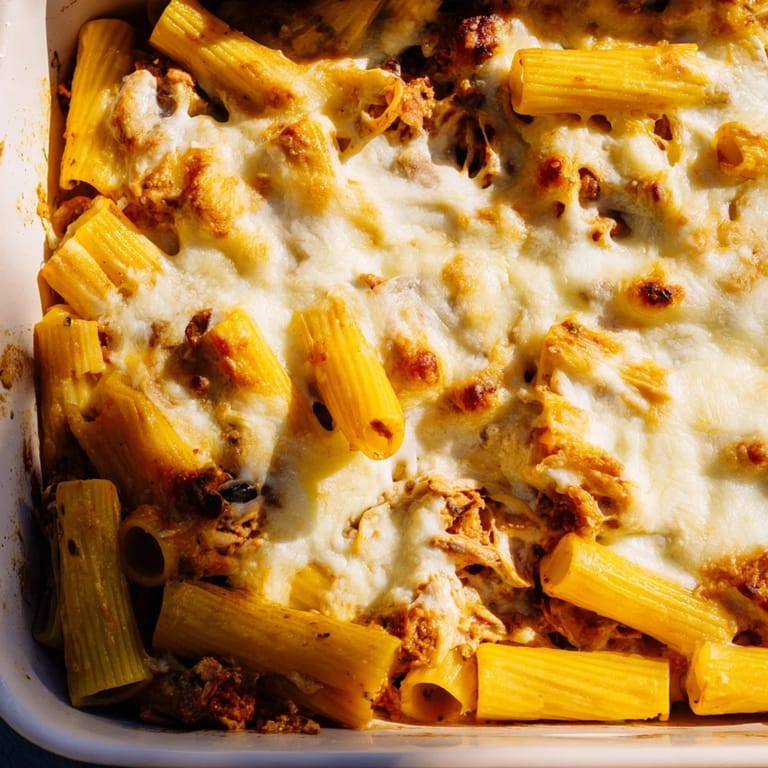
Save This casserole has become the dish I reach for when I want to feed people something warm and real, something that feels both restaurant-quality and deeply personal. It's proof that the best meals often come from making something ordinary into something worth remembering.
Recipe FAQs
- → What type of pasta is best for this dish?
Penne or rigatoni work well due to their sturdy shape, which holds layers and sauce nicely.
- → Can I substitute the turkey with another protein?
Yes, roast chicken can be used as an alternative for a similar flavor and texture.
- → How does the gravy layer affect the dish?
The gravy soaks into the pasta, keeping the bake exceptionally moist and enhancing its savory flavor.
- → Are there vegetarian variations for this casserole?
Adding sautéed mushrooms or spinach can increase vegetables, but omitting the turkey will alter the signature taste.
- → What is the best way to reheat leftovers?
Reheat in the oven covered with foil to retain moisture, or use a microwave with occasional stirring.