 Save
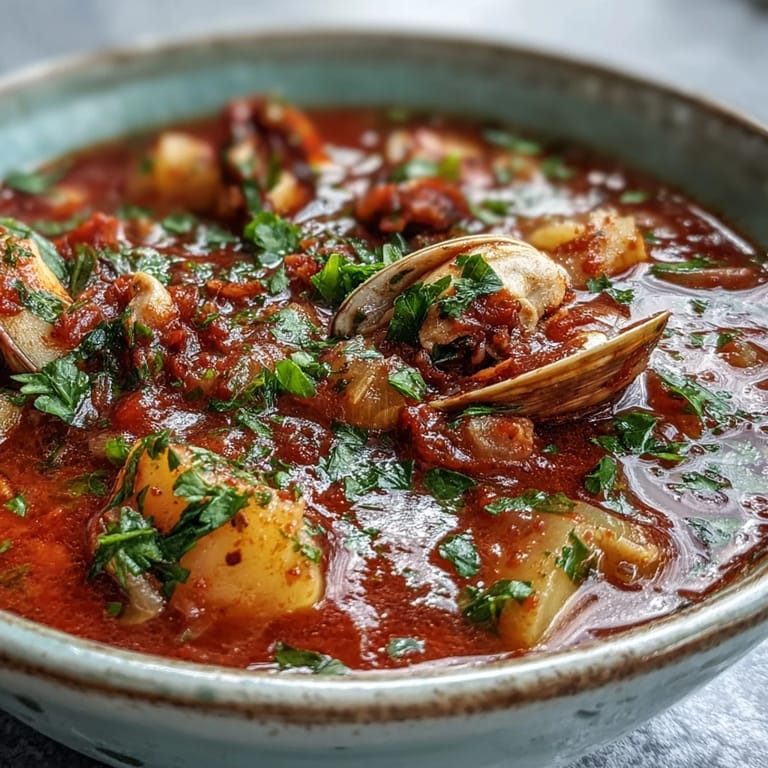
Save My neighbor handed me a steaming bowl of Manhattan clam chowder one October evening, and I watched the steam rise off the tomato-red broth as she warned me it was nothing like the creamy New England version I'd probably had before. The first spoonful was electric—briny clams, tender potatoes, that perfect balance of acidity and umami that made me immediately ask for her recipe. She laughed and said she'd been making it the same way for thirty years, tweaking it seasonally but never straying far from this vibrant, lighter approach to a seaside classic. That bowl changed how I thought about chowder entirely.
I made this soup for my sister during a surprise visit last winter, and she sat at my kitchen counter while I prepped the vegetables, telling me about her new job in the city. By the time the clams went in and that briny aroma filled the kitchen, she was already reaching for a bowl, and we ended up talking until the pot was empty. There's something about Manhattan clam chowder that invites conversation—maybe it's the warmth of the bowl in your hands or the way each spoonful keeps you coming back for more.
Ingredients
- Fresh clams (2 pounds littlenecks) or canned clams (3 cups): Fresh clams give you that just-harvested sweetness and tender texture, but canned chopped clams are a legitimate shortcut that saves you 15 minutes and still delivers authentic flavor.
- Clam juice (3 cups): This is the foundation of your broth—if you steam fresh clams, that cooking liquid is liquid gold and worth every bit of effort to strain and preserve.
- Diced tomatoes (28-ounce can with juice): The tomatoes define Manhattan style, bringing acidity and brightness that lifts the entire soup without any cream needed.
- Water (1 cup): Just enough to extend the broth without diluting the clam flavor.
- Olive oil (2 tablespoons): A good quality oil matters here since you're using it raw to build flavor at the start, not just for cooking.
- Onion, celery, carrots, and bell pepper: These are your aromatic base—the slower you sauté them, the more their natural sugars caramelize and deepen the whole soup.
- Yukon gold potatoes (3 medium, diced): Waxy potatoes hold their shape better than russets and create that silky mouthfeel without falling apart.
- Garlic (3 cloves, minced): Add it after the vegetables soften so it doesn't burn and turn bitter.
- Thyme and oregano (1 teaspoon each, dried): These Mediterranean herbs echo the seaside origins of the dish and play beautifully with tomato.
- Red pepper flakes (½ teaspoon, optional): A whisper of heat that wakes up your palate without overwhelming the delicate clam flavor.
- Bay leaves (2) and black pepper (½ teaspoon): Bay leaves unfurl their flavor slowly throughout cooking and should always be removed before serving.
- Kosher salt (¾ teaspoon, adjusted to taste): Taste as you go because clam juice is naturally salty, and you might need less than you think.
- Fresh parsley (2 tablespoons, chopped): A finishing touch that adds color and a bright, herbaceous note that makes the soup taste fresher.
Tired of Takeout? 🥡
Get 10 meals you can make faster than delivery arrives. Seriously.
One email. No spam. Unsubscribe anytime.
Instructions
- Steam or prepare your clams:
- If using fresh clams, scrub them under running water to remove any sand or grit—run your fingers along the shells and feel for any that don't close when tapped, then discard those. Place clams in a large pot with 1 cup water, cover, and steam over medium-high heat until they open, about 5 to 7 minutes; remove the clams from their shells, chop them coarsely, and strain the cooking liquid through a fine sieve to catch any remaining grit before combining it with your bottled clam juice.
- Build the flavor base:
- Heat olive oil in a large heavy-bottomed pot over medium heat and add the onion, celery, carrots, and bell pepper, stirring occasionally while they soften and become golden at the edges, about 6 to 8 minutes. This gentle sauté is where the sweetness develops, so don't rush it—you're building layers of flavor that will carry through the entire bowl.
- Wake up the garlic:
- Stir in the minced garlic and cook for just 1 minute, breathing in that pungent, earthy aroma that tells you the garlic is awakening without burning. If you cook it longer, the delicate clam broth will pick up a bitter note instead of that sweet, mellow garlic essence.
- Combine everything and simmer:
- Add the diced potatoes, canned tomatoes with their juice, all your clam juice, the reserved clam cooking liquid, thyme, oregano, bay leaves, red pepper flakes if using, salt, and black pepper, stirring gently to combine. Bring the whole pot to a boil, then immediately reduce the heat to a gentle simmer and cook uncovered for 20 to 25 minutes until the potatoes are knife-tender but not falling apart.
- Finish with the clams:
- Stir in your chopped clams gently and let them warm through for 3 to 5 minutes—overcooked clams become rubbery, so you're just reheating them, not cooking them further. Taste the broth and adjust the seasoning with more salt or pepper if needed, then remove and discard the bay leaves.
- Serve with intention:
- Ladle the chowder into bowls, letting the vegetables, potatoes, and clams settle into each serving, then top with fresh parsley and serve immediately while the broth is still steaming. Crusty sourdough bread or oyster crackers on the side are not optional—they're essential for soaking up every drop.
 Save
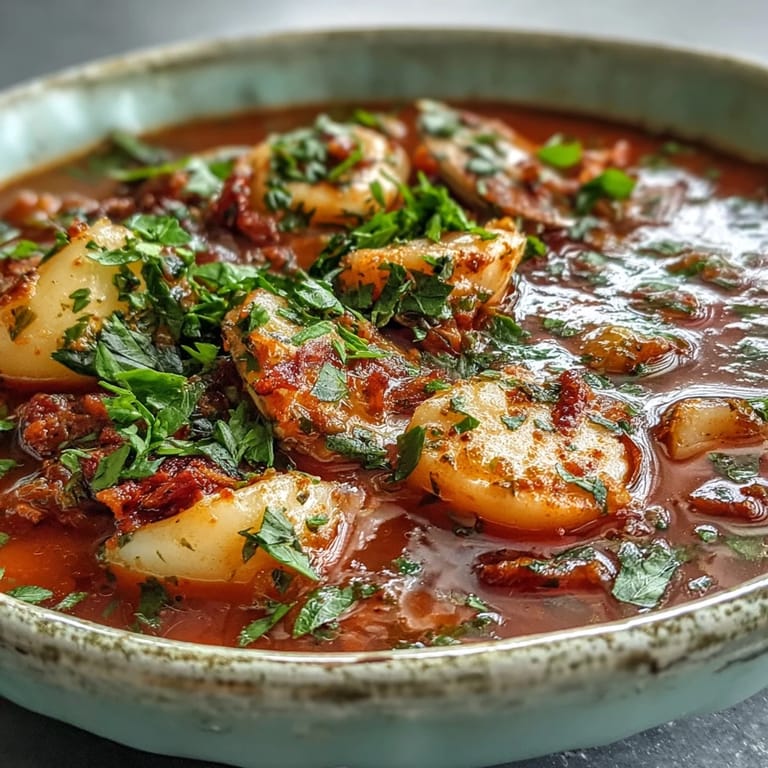
Save One evening, my son came home from school and walked right past me to the stove, where this soup was simmering, and he just stood there breathing in the steam like he was trying to memorize the smell. He'd been studying coastal ecosystems and suddenly the soup wasn't just lunch anymore—it was a bridge between the classroom and the actual ocean, a taste of the ecosystem he'd been reading about. That moment reminded me that food is rarely just food; it's memory, curiosity, and connection all in one bowl.
The Fresh Versus Canned Clam Debate
I spent years thinking fresh clams were the only legitimate choice until a friend's mother, who'd grown up in Rhode Island, told me she kept canned clams in her pantry for busy weeknights and swore the soup tasted just as good. She was right, mostly—the broth is slightly less complex, but the difference is subtle enough that your guests won't notice and you'll save yourself 20 minutes of steaming and straining. Fresh clams are worth the effort on weekends when you have time to enjoy the process, but canned clams are your permission slip for making this soup on a Tuesday.
Why This Soup Gets Better with Time
I learned this the hard way by making a big batch and reheating it for lunch the next day, expecting it to be disappointing, and instead finding myself eating a second bowl because the flavors had deepened and settled into something even more delicious. The potatoes absorb the broth overnight, the herbs release more of their essence, and the whole thing tastes less like something you just threw together and more like a soup that's been simmering in someone's kitchen for hours. This is why Manhattan clam chowder is perfect for meal prep—it actually improves in your refrigerator.
Customizing Your Bowl
The base recipe is a template that welcomes variation without losing its identity, and I've learned this by watching different cooks make their own versions and tasting how their additions changed the character of the soup. Some people swear by adding diced bacon at the beginning for smokiness, others stir in a handful of corn kernels during the last few minutes for sweetness, and I've seen someone add a splash of hot sauce at the table to dial up the heat without changing the base. The beauty is that you can adapt it to your mood, your pantry, or what's in season without ever losing the essential briny, tomatoey character that makes it Manhattan clam chowder.
- Bacon adds a smoky richness that complements the clams beautifully—cook it first, set it aside, and add it back with the clams so it stays crispy.
- Fresh corn kernels or diced zucchini can go in during the last 10 minutes of cooking if you want to add sweetness or vegetables without changing the cooking time.
- Red bell pepper instead of green gives you a slightly sweeter soup, and some people swear it's the superior choice, so experiment and decide for yourself.
 Save
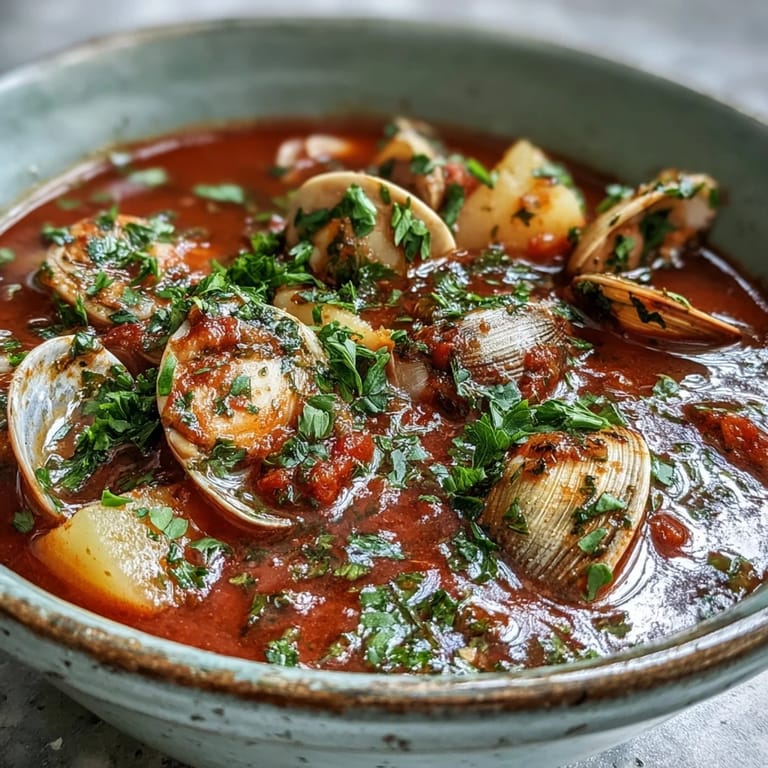
Save This soup has become my go-to when I want to feel connected to the ocean from my landlocked kitchen, and it never fails to remind people that chowder doesn't need cream to be comforting. Every spoonful tastes like a deliberate choice to make something good rather than something quick.
Recipe FAQs
- → What makes Manhattan clam chowder different from New England style?
Manhattan clam chowder uses a tomato-based broth instead of the cream-based foundation found in New England versions. This creates a lighter, more vibrant soup with a reddish color and slightly acidic flavor profile from the diced tomatoes.
- → Can I use canned clams instead of fresh?
Yes, canned chopped clams work well in this chowder. Use 3 cups canned clams, drained, and reserve the juice to supplement the clam juice needed for the broth. This shortcut reduces prep time while maintaining authentic flavor.
- → How long does Manhattan clam chowder keep in the refrigerator?
Properly stored in an airtight container, Manhattan clam chowder keeps well for 3-4 days in the refrigerator. The flavors often improve after a day as the ingredients meld together. Reheat gently over medium-low heat to avoid separating the tomatoes.
- → What vegetables work best in this chowder?
The classic trio includes onions, celery, and carrots for the aromatic base, plus green bell pepper for extra depth. Yukon gold potatoes hold their shape well during simmering. You can substitute red bell pepper for green if you prefer a sweeter flavor profile.
- → Is this chowder suitable for freezing?
Yes, Manhattan clam chowder freezes beautifully for up to 3 months. Cool completely before transferring to freezer-safe containers, leaving some space for expansion. Thaw overnight in the refrigerator and reheat gently on the stovetop.
- → What sides pair well with Manhattan clam chowder?
Oyster crackers or crusty sourdough bread are traditional accompaniments that help soak up the flavorful broth. The chowder also pairs nicely with a simple green salad dressed with light vinaigrette to balance the heartiness of the soup.