 Save
Save A few winters ago, I found myself in a small Tokyo café watching the barista pour this burnished liquid into steamed milk, and the whole counter filled with this warm, toasted aroma that felt like a hug. It wasn't coffee, but something gentler, more thoughtful. I came home determined to recreate it, and after a few clumsy attempts with my milk frother, I finally understood why hojicha flat whites had become my quiet ritual on mornings when I needed something nurturing rather than jolting.
I made this for my neighbor on a gray Tuesday morning when she mentioned her usual coffee wasn't sitting well with her stomach, and watching her face light up as she wrapped her hands around the cup reminded me that sometimes the best dishes are the ones that arrive exactly when someone needs them. She's been asking for it ever since.
Ingredients
- Hojicha loose leaf tea or tea bags: This roasted green tea is the soul of the drink, offering a toasty, slightly nutty depth that coffee could never touch; I prefer loose leaf because the larger leaves give you more control over steeping strength.
- Hot water at 90°C (195°F): Too boiling and you'll scald the delicate tea, too cool and it won't extract properly; an instant-read thermometer changed my game here.
- Whole milk or oat milk: Whole milk froths into the silkiest microfoam, but oat milk has this natural sweetness and body that makes it feel indulgent without dairy.
- Sweetener (optional): Honey dissolves beautifully and adds floral notes, but honestly, once you taste pure hojicha's mellow sweetness, you might find you don't need it.
Tired of Takeout? 🥡
Get 10 meals you can make faster than delivery arrives. Seriously.
One email. No spam. Unsubscribe anytime.
Instructions
- Steep the hojicha:
- Pour your hot water over the tea leaves and set a timer for 3 to 4 minutes while the kitchen fills with that distinctive toasted aroma. If you're using loose leaf, have your strainer ready; if tea bags, just lift them out gently.
- Warm and froth the milk:
- Heat your milk until it's steaming hot and you can see a thin veil of steam rising, then froth it using whatever tool you have until it becomes silky and pourable. The microfoam should look like melted ice cream, not a bubble bath.
- Build your cup:
- Pour the strained hojicha into a pre-warmed cup (I run mine under hot water first), add your sweetener if using, and give it a gentle stir. The warm cup keeps everything cozy and prevents that jarring temperature drop.
- Pour with intention:
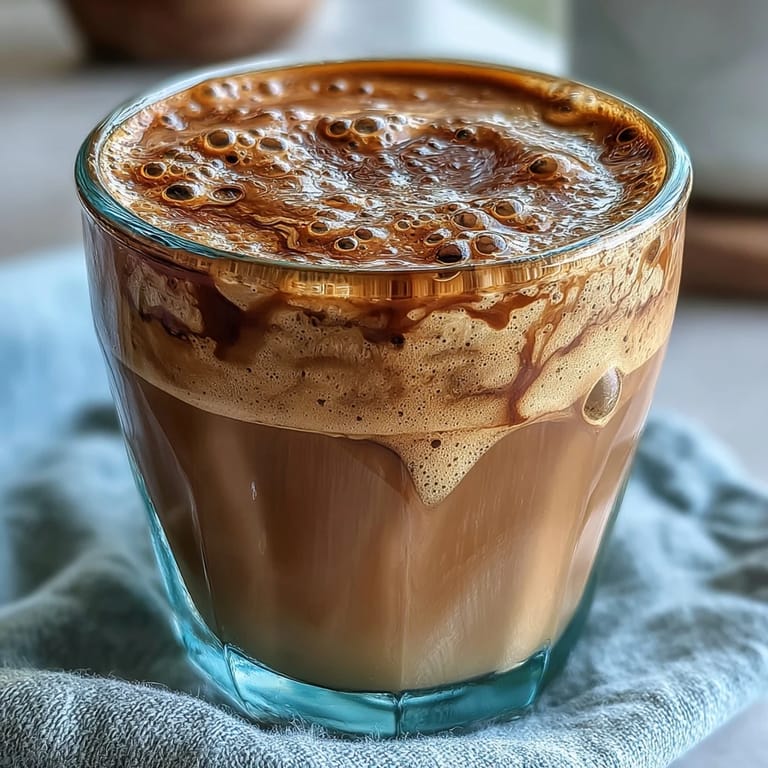
- Slowly pour the microfoamed milk into the hojicha, starting about an inch above the surface and gradually lowering the pitcher as the cup fills. You want the liquid milk and foam to blend into that beautiful amber with a creamy layer on top.
- Serve right away:
- Drink it while it's still steaming and the hojicha flavor is at its most vibrant.
 Save
Save There's something unexpectedly meditative about this drink, the way it sits between seasons and cultures, Japanese roasting tradition meeting Italian café culture. It became less about following instructions and more about creating a moment where I could actually taste peace.
The Magic of Hojicha
Hojicha is roasted green tea, which means it's lower in caffeine than coffee or regular green tea, but what makes it special is that roasting process that coaxes out caramel and chestnut notes. The first time I understood this was when I accidentally over-steeped a cup and instead of getting bitterness like with regular tea, I got this rich, almost chocolatey depth. That's when it clicked for me why Japanese tea masters have been roasting tea for centuries.
Microfoam Mastery
Getting microfoam right is genuinely easier than most people think, but it requires a tiny shift in perspective. Instead of trying to create big bubbles, you're incorporating air so finely that the milk becomes thick and silky, almost like whipped cream but still pourable. I ruined approximately seventeen attempts before a barista friend told me to listen for the sound of the milk changing from a splashing gurgle to a gentle hiss, and suddenly I could tell by ear when it was ready.
Variations and Moments
On cold mornings I sometimes add a tiny drizzle of maple syrup because it echoes the toasted notes already in the hojicha. I've made it for friends who are cutting caffeine and they say it feels festive rather than restrictive. On busy days it's my anchor, a brief pause that somehow makes everything else feel manageable.
- Try whisking in a touch of vanilla extract or a cardamom pod during steeping for a spiced version that feels almost like dessert.
- Dust the foam with a pinch of hojicha powder or cinnamon to give it a cafe-quality finish and add another layer of toasted aroma.
- If you don't have a frother, shake the warm milk vigorously in a closed jar for about a minute and you'll get surprisingly good foam.
 Save
Save This drink has become my small luxury, the thing I reach for when I want to feel thoughtful about my morning. It's proof that sometimes the best comfort comes from something simple, made with intention.
Recipe FAQs
- → What is hojicha and how does it affect the drink flavor?
Hojicha is a roasted green tea from Japan, offering a toasty, nutty flavor that brings warmth and smoothness to the beverage.
- → How can I make the milk froth creamy and smooth?
Steam milk gently until hot but not boiling, then froth using a steam wand or frother to achieve a fine microfoam for a velvety texture.
- → Can I use plant-based milk instead of dairy?
Yes, oat or almond milk work well as alternatives, creating a creamy texture while keeping the drink dairy-free.
- → How can I adjust the strength of the hojicha flavor?
Steep the hojicha leaves longer or use more tea to intensify the robust roasted notes according to your taste.
- → What optional ingredients can enhance the drink?
Adding a teaspoon of honey, sugar, or syrup can bring a subtle sweetness; dusting with cinnamon or hojicha powder adds extra aroma and flavor.