 Save
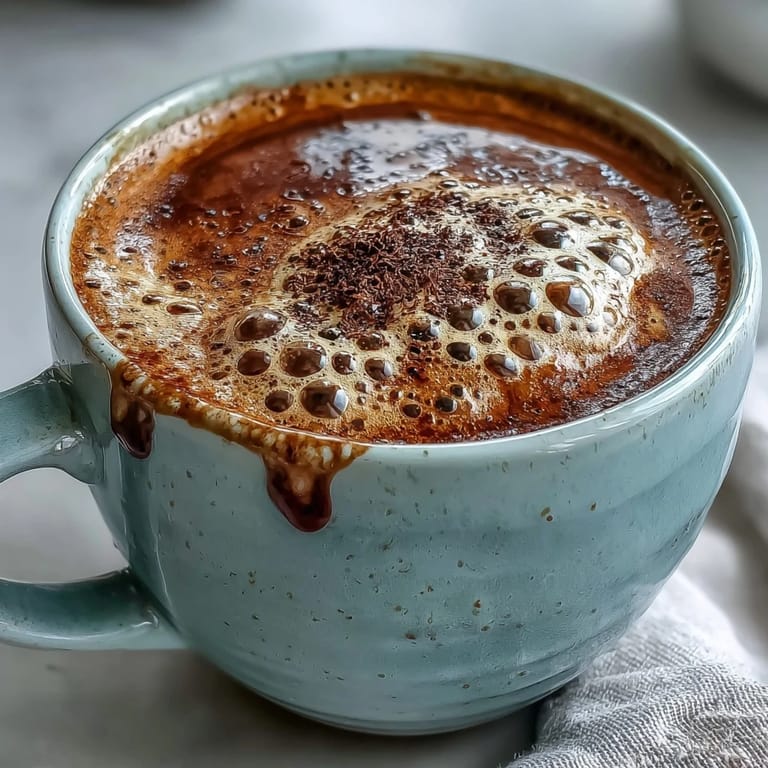
Save My first hojicha cappuccino came about by accident on a quiet Tokyo morning when I'd run out of coffee but had a tin of roasted hojicha tea sitting on my shelf. I wanted something warm and frothy like the cappuccinos I'd loved in Rome, so I started experimenting with steaming milk and whisking the tea into something creamy. That first sip stopped me mid-thought—the toasted, almost nutty warmth of the hojicha paired with silky foam felt like discovering a bridge between two worlds I didn't know could meet so perfectly.
I served this to my grandmother last winter, and watching her close her eyes after that first sip told me everything—she tasted memory in the hojicha, saw possibility in the cappuccino form. She asked for another cup, then borrowed my tin of tea. Now whenever we video call, there's usually a mug of this in her hands.
Ingredients
- Hojicha loose-leaf tea or tea bags (2 teaspoons or 2 bags): This is roasted Japanese green tea, and the roasting gives it a deeper, toastier flavor than regular green tea—it's what makes this drink feel sophisticated without bitterness.
- Filtered water (1 cup): Start with fresh, good-tasting water since it's the main element here.
- Whole milk or oat milk (1 cup): Whole milk froths beautifully and creates that luxurious mouthfeel, but oat milk has its own creaminess that works wonderfully if you're avoiding dairy.
- Honey, maple syrup, or sugar (1-2 teaspoons, optional): This isn't necessary—hojicha has natural sweetness—but it can balance things if you prefer less earthy notes.
Tired of Takeout? 🥡
Get 10 meals you can make faster than delivery arrives. Seriously.
One email. No spam. Unsubscribe anytime.
Instructions
- Steep the hojicha:
- Bring water to a gentle simmer, add your tea leaves or bags, and let them rest for 3 to 4 minutes until the water turns a warm amber color. You'll smell that toasted grain aroma rising—lean in and breathe it in, it's part of the experience.
- Prepare your milk:
- While the tea steeps, pour milk into a small saucepan and heat it gently over medium heat until steam rises softly, or use a milk frother if you have one. You want it hot but never boiling—listen for that subtle hiss rather than a rolling bubble.
- Combine and sweeten:
- Strain the tea into two cups, dividing it evenly between them. Stir in your chosen sweetener if you're using it, letting it dissolve completely into the warm tea.
- Layer with milk and foam:
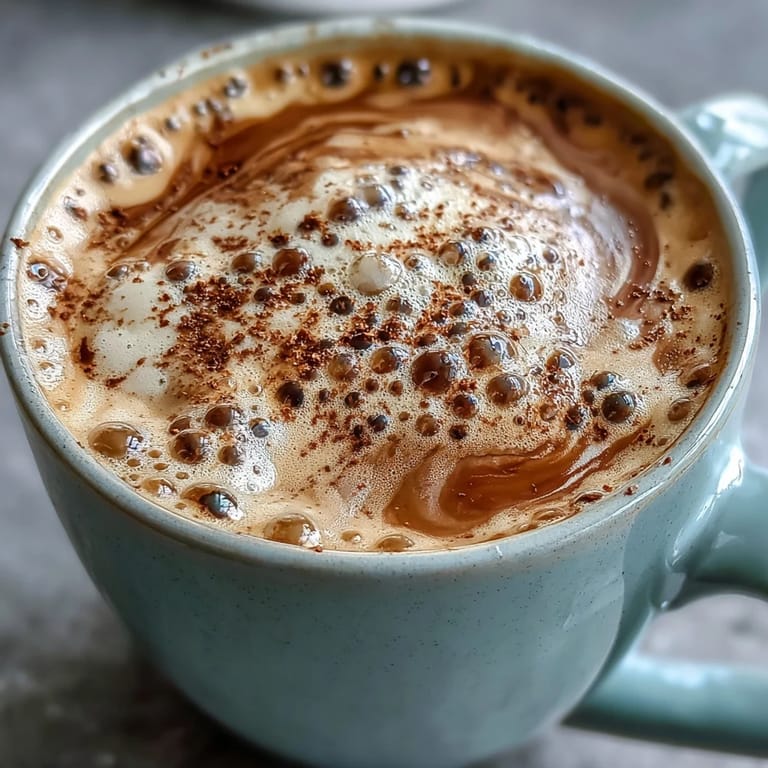
- Pour the steamed milk gently over the tea, holding back the foam with a spoon so it sits on top. That layer of foam is what makes it feel like a cappuccino—it's the crown of the drink.
- Finish and serve:
- Dust lightly with hojicha powder or cinnamon if you'd like, and serve while everything is still warm and the foam is still holding its shape.
 Save
Save There's something about the ritual of making this drink that has become meditation for me—the sound of the frother, the smell of that roasted tea, the careful pour. It's not rushed or pretentious, just intentional, and somehow that makes everything taste better.
Why Hojicha Changes Everything
Hojicha is green tea that's been roasted at high temperatures, which removes the grassy notes and brings out warm, almost caramel-like undertones. This makes it completely different from regular green tea—it's earthier, less tannic, and honestly feels more like a comfort drink than a health drink, even though it still has all those good antioxidants. When you add milk and foam to it, you're not fighting sharp tea flavors; you're building something harmonious where every component supports the others.
Milk Matters More Than You'd Think
I've made this with every kind of milk I could find, and each one tells a slightly different story. Whole milk creates that classic silky cappuccino texture and froths into peaks that last, oat milk adds a subtle sweetness that plays beautifully with the toasted notes, almond milk brings a light nuttiness that echoes the hojicha, and soy milk froths aggressively and creates the densest foam. The temperature of your milk matters just as much as the type—too cool and it won't froth, too hot and the flavor turns thin.
Small Variations That Make Big Differences
Once you have the basic technique down, this drink becomes a canvas for tiny experiments. I've added a whisper of vanilla extract, a pinch of cardamom, a swirl of tahini, even a drop of rose water, and each version felt like discovering a new room in a house I thought I already knew. The beauty is that hojicha is forgiving—its warm, rounded flavor can accommodate additions without losing its identity.
- Try steeping the tea for an extra minute if you like a stronger, deeper flavor, or reduce it to 2 minutes if you prefer something lighter and more delicate.
- Keep a small shaker of hojicha powder near your kitchen for dusting—it's beautiful, adds a subtle flavor boost, and transforms the presentation instantly.
- If you don't have a milk frother, a simple whisk or even a jar with a tight lid shaken vigorously will create foam that's almost as good.
 Save
Save This hojicha cappuccino has become my answer to those moments when I need something warm, grounding, and a little bit special. It reminds me that sometimes the best discoveries come from working with what's in front of you and trusting your instincts.
Recipe FAQs
- → What type of tea is used in this drink?
Roasted Japanese hojicha tea, either loose-leaf or in tea bags, provides the signature toasty flavor.
- → Can I use dairy alternatives for the milk?
Yes, oat, almond, or soy milk works well for a dairy-free version without losing creaminess.
- → How is the milk prepared for this drink?
The milk is gently heated and frothed until creamy and foamy, creating a smooth texture when poured over the tea.
- → Is sweetener necessary in this beverage?
Sweetener is optional; you can add honey, maple syrup, or sugar to taste depending on your preference.
- → What can I serve alongside this hojicha drink?
Light pastries or traditional Japanese sweets (wagashi) complement the toasty notes well.