 Save
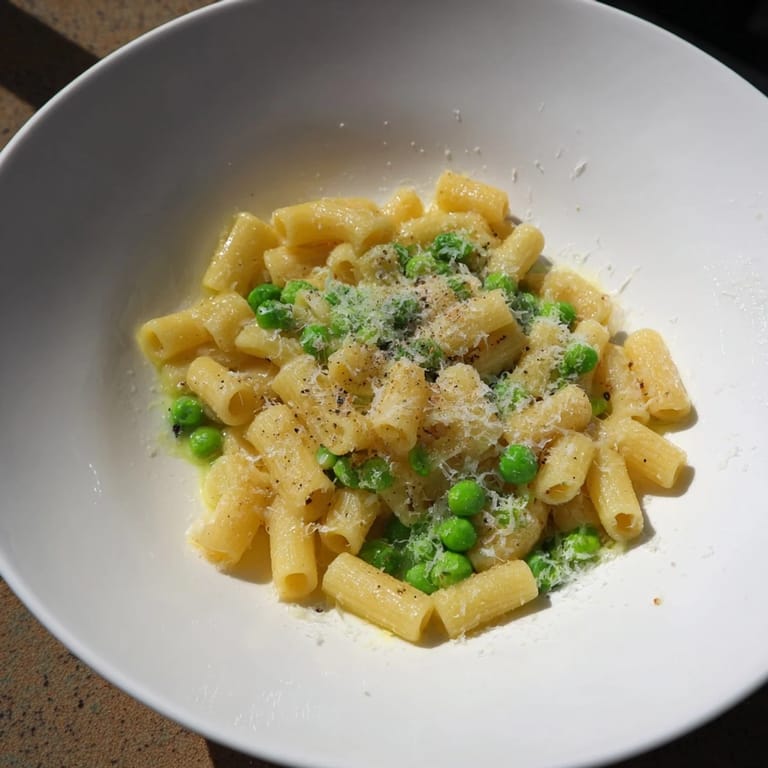
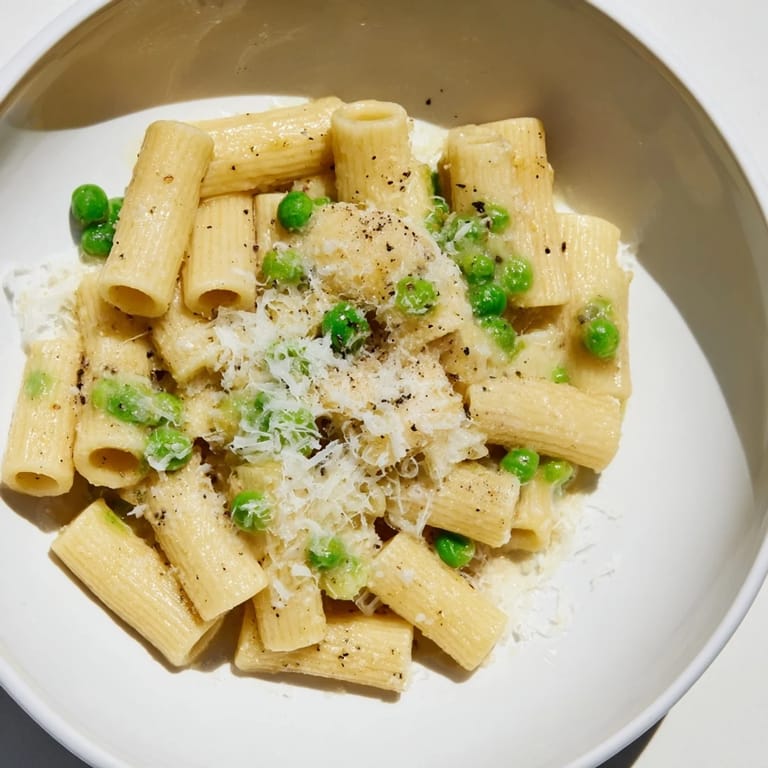
Save There's something about the smell of garlic hitting hot butter that makes everything feel intentional in the kitchen, even on nights when you're just trying to get dinner on the table fast. I discovered this dish during one of those weeks where the pantry felt embarrassingly bare—a box of ditalini, some garlic, frozen peas I'd grabbed weeks earlier, and butter. What came together was so simple it almost felt like cheating, but my family asked for it again the next week, and then the week after that. Now it's become the go-to meal when I want something that tastes like comfort without the fuss.
I remember making this for my neighbor one evening when she'd had a rough day at work. She sat at my kitchen counter while I cooked, and the whole apartment filled with that garlicky, buttery warmth. By the time I set the plate in front of her, she was already smiling—not because it was fancy, but because it tasted like someone cared enough to notice she needed feeding. That's when I realized this simple pasta wasn't just easy; it was honest.
Ingredients
- Ditalini pasta (300 g): These small, tube-shaped pieces trap the butter sauce beautifully and feel substantial without being heavy. Any small pasta shape works, but ditalini's been perfect to me every time.
- Water and salt: Don't skimp on the salt here—it seasons the pasta itself, not just the cooking water. Use about 1 tablespoon per 6 cups.
- Unsalted butter (4 tablespoons): This is your foundation, so use good butter if you can. It makes a noticeable difference when butter is doing most of the work.
- Garlic cloves (4 large, minced): Mince them fine so they almost dissolve into the butter, creating a sauce rather than sitting as chunks. Fresh garlic is non-negotiable here.
- Frozen peas (1 cup): Don't thaw them—the cold peas will gently cook in the warm pan and stay bright and sweet. This is one of my favorite lazy-cooking tricks.
- Black pepper and red pepper flakes: Black pepper for warmth, red flakes for a tiny whisper of heat. Both are optional, but both matter.
- Parmesan cheese (1/3 cup): Freshly grated if possible; it melts smoother than pre-shredded and tastes sharper and more alive.
- Fresh parsley and lemon zest: Both optional, but parsley adds a green brightness and lemon zest gives a hidden lift that makes people ask what you did differently.
Tired of Takeout? 🥡
Get 10 meals you can make faster than delivery arrives. Seriously.
One email. No spam. Unsubscribe anytime.
Instructions
- Boil water and cook pasta:
- Fill your pot with water, salt it generously, and bring it to a rolling boil. Add the ditalini and stir occasionally so nothing sticks to the bottom. You're hunting for al dente—tender but with just a whisper of resistance when you bite it. Here's the trick I learned the hard way: reserve at least half a cup of that starchy pasta water before you drain. You'll thank yourself in two minutes.
- Build the garlic butter sauce:
- In a skillet, melt butter over medium heat until it smells sweet and fragrant. Add your minced garlic immediately and listen for that gentle sizzle. You want about one minute, just until the garlic turns pale and the whole kitchen smells like a restaurant.
- Add the peas and warm through:
- Toss the frozen peas directly into the butter and garlic. They'll seem a little stiff at first, but after 2-3 minutes they'll turn that bright, almost glowing green and feel tender when you press one. This is a moment worth watching because the color shift tells you everything is ready.
- Combine pasta and sauce:
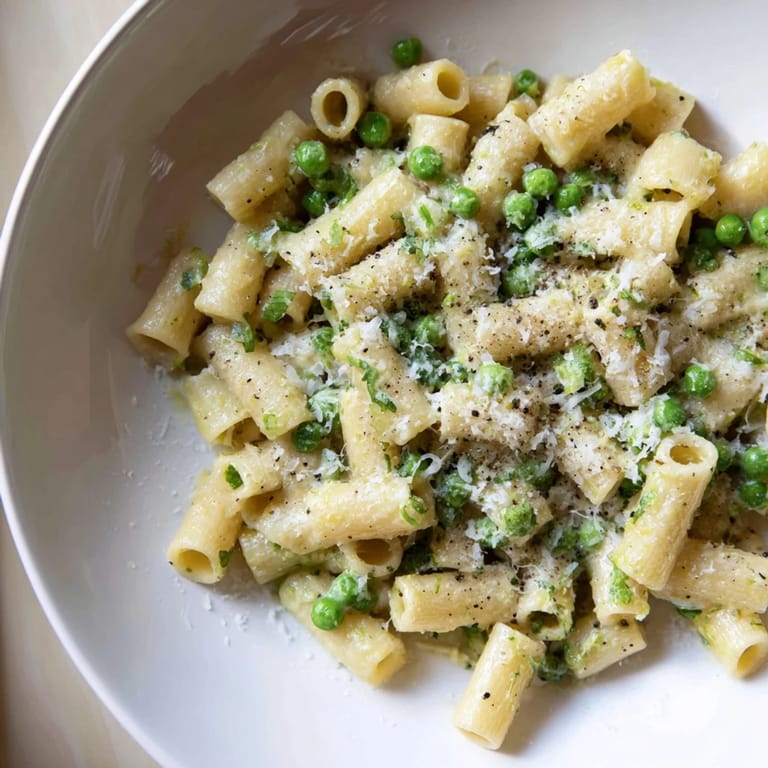
- Drain the pasta and slide it into the skillet with the peas and garlic. Season with pepper and red pepper flakes if you're using them. Toss everything together, and if it looks dry or the pasta seems to stick, splash in a little of that reserved pasta water—it'll bring everything together into a silky, cohesive dish.
- Finish with cheese and herbs:
- Remove the pan from heat, then stir in the Parmesan, parsley, and lemon zest. The residual heat will melt the cheese without making it grainy or separating the butter. Toss once more until everything looks creamy and unified.
 Save
Save One night, my daughter asked if we could make this for her school potluck, which meant she genuinely loved it. That surprised me more than I expected—I thought she'd want something flashier. But she loved that it tasted like home, like something made with attention but not stress. Sometimes the recipes that matter most are the ones that slip into your life so quietly you don't notice they've become essential.
How to Make It Your Own
This recipe thrives on flexibility. Add a drained can of tuna and a squeeze of lemon and suddenly it's a different meal entirely. Crispy bacon bits scattered on top turn it into something savory and substantial. If you're feeding vegetarians, it stands perfectly on its own, but if you're feeding people with bigger appetites, stir in shredded rotisserie chicken or crumbled sausage right before the cheese goes in. I've made versions with fresh corn instead of peas in summer, or with wilted spinach stirred in for a moment of green nutrition. The beauty is that the garlic butter sauce is strong enough to carry whatever you add.
Timing and Rhythm
The whole point of this dish is speed, so set yourself up to win. Have your garlic minced before you start boiling water. Measure your cheese before you drain the pasta. Get your parsley chopped if you're using it. When everything is ready ahead of time, the actual cooking feels like a dance instead of a scramble. The stove is hot for maybe 8 minutes total, which means you can have this on the table in the time it takes most people to decide what to make for dinner.
Storage and Leftovers
This is best eaten fresh and warm, which is one of the few things this dish isn't flexible about. But if you do have leftovers, refrigerate them in an airtight container and reheat gently in a skillet over low heat, adding a splash of water or broth to loosen everything up again. It won't taste quite as silky as the first night, but it's still honest and comforting food. You can also freeze it, though the texture of the peas will change slightly—freeze before adding the Parmesan, then warm and finish with fresh cheese.
- A squeeze of fresh lemon juice when reheating wakes the flavors back up remarkably.
- If your leftovers seem dry, don't add water straight from the tap—use a little broth or pasta water for better flavor.
- This makes a surprisingly good lunch box meal the next day if you pack the Parmesan separately and stir it in just before eating.
 Save
Save This recipe has taught me that sometimes the most nourishing meals are the simplest ones, made not because you're trying to impress but because you're just trying to feed the people you love. There's a kind of magic in that.
Recipe FAQs
- → Can I use other pasta shapes instead of ditalini?
Yes, small pasta shapes like elbow macaroni, small shells, or orzo work well and hold the sauce nicely.
- → How do I prevent garlic from burning during cooking?
Sauté garlic over medium heat and watch closely, cooking just until fragrant but not browned to avoid bitterness.
- → Is it necessary to use frozen peas thawed before cooking?
No need to thaw frozen peas; adding them directly to the pan keeps their color vibrant and texture fresh.
- → How can I make this dish vegan-friendly?
Replace butter with plant-based alternatives and omit Parmesan or use nutritional yeast for similar cheesy flavor.
- → What is the purpose of reserving pasta cooking water?
The starchy reserved water helps loosen the sauce if it becomes too thick and improves coating on the pasta.