 Save
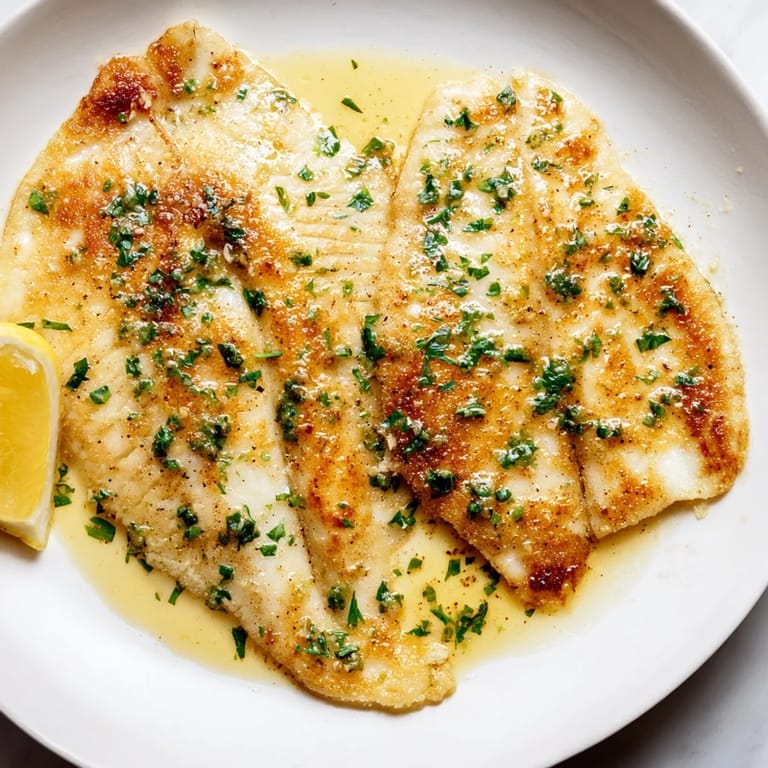
Save The butter hits the pan and suddenly my entire apartment smells like a bistro in Paris. I first attempted meunière during a particularly lonely February, trying to recreate a meal I had fallen in love with years earlier. That first attempt was disastrous—I burned the butter and ended up with something that tasted like regret—but I kept trying until I got it right. Now this fish cooks in under fifteen minutes and makes any random Tuesday feel like a celebration.
Last summer my sister came over completely exhausted from work. I made this while she sat at my counter complaining about her boss. By the time I slid that plate toward her with the sauce still sizzling, she had forgotten everything she was upset about. We sat there eating directly from the platter and she told me it was the best thing she had eaten in months.
Ingredients
- Flounder fillets: Delicate and mild, this fish cooks so quickly that timing actually matters—have your platter ready before you start cooking
- All-purpose flour: Creates that golden crust while keeping the fish moist inside, shake off the excess or you will end up with a pasty coating
- Unsalted butter: You will need two separate amounts—some for cooking the fish and more for the sauce because butter cannot brown twice
- Olive oil: Prevents the butter from burning too quickly while you sear the fish
- Lemon juice: Must be fresh and added right at the end to cut through all that rich butter and wake everything up
- Fresh parsley: Adds brightness and makes the whole dish look like you put in way more effort than you actually did
Tired of Takeout? 🥡
Get 10 meals you can make faster than delivery arrives. Seriously.
One email. No spam. Unsubscribe anytime.
Instructions
- Prep the fish:
- Pat each fillet completely dry with paper towels, then season both sides generously with salt and pepper—fish needs salt or it will taste like nothing regardless of how good your sauce is.
- Dredge lightly:
- Pour the flour onto a shallow plate and press each fillet into it lightly, then shake off the excess flour until you can still see the fish through the coating.
- Sear the fillets:
- Heat two tablespoons of butter and the olive oil in a large nonstick skillet over medium-high heat until the butter is foaming, then add the fish and cook for two to three minutes per side until golden and just cooked through.
- Start the brown butter:
- Wipe out the skillet and add the remaining butter over medium heat, watching carefully as it foams and then those milk solids start turning golden brown and smell nutty.
- Finish and serve:
- Pull the skillet off the heat immediately and stir in the lemon juice and parsley, then spoon that sizzling sauce over the fish and serve right away with lemon wedges.
 Save
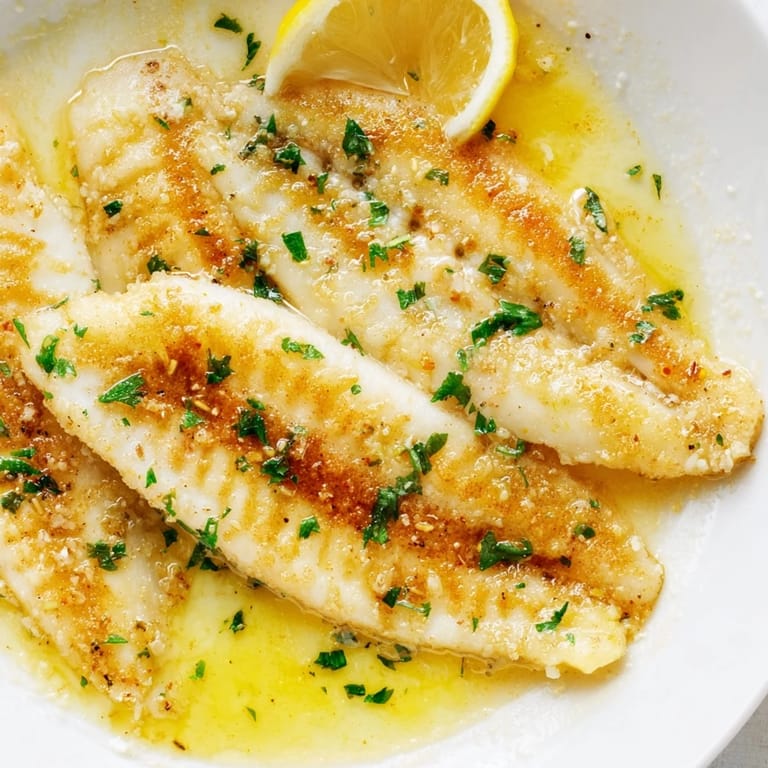
Save My friend from college came to visit last fall and requested this specifically. She watched me make it and admitted she had been too intimidated to try French techniques at home. After we ate, she texted me three days later saying she had made it for her family and they were all begging for it again.
Choosing The Right Fish
Flounder is perfect because it is delicate and mild, but any thin white fillet will work beautifully. Dover sole is excellent if you want to spend a bit more, and tilapia is a perfectly acceptable budget-friendly option. Just avoid thick fillets like cod because they will not cook through before your coating burns.
Getting That Perfect Crust
The secret to restaurant-quality crust is not moving the fish once it hits the pan. Let it sear undisturbed until you can see the edges turning golden, then gently slide your spatula underneath and flip. If the fish sticks, give it another thirty seconds—it will release naturally once the crust forms properly.
Mastering Brown Butter
Browned butter is what separates weeknight fish from dinner-party worthy meunière. Start with cold butter cut into pieces so it melts evenly, and keep the heat at medium. The butter will foam dramatically, then suddenly those foam bubbles will get smaller and you will smell something toasty and nutty—that is your moment.
- Have your lemon juice measured and ready because you need to pour it in immediately
- The sauce will sizzle aggressively when you add the lemon, step back slightly
- Spoon the sauce over the fish right at the table for maximum effect
 Save
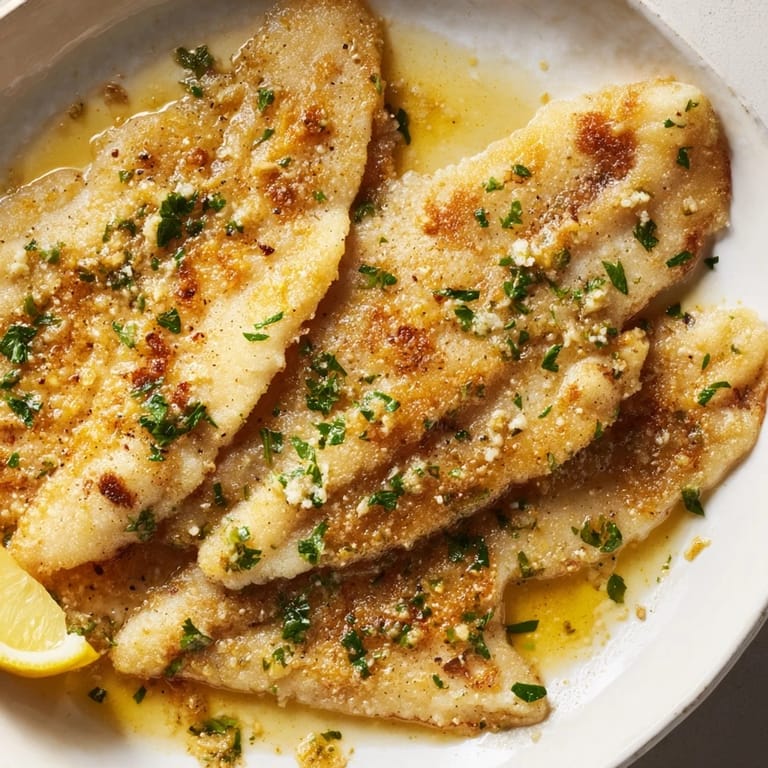
Save Serve this with something green and bright to cut through all that butter, and enjoy the way something so simple can taste so extraordinary.
Recipe FAQs
- → What does meunière mean?
Meunière is a French culinary term meaning "miller's wife," referring to the traditional technique of dredging fish in flour before pan-frying. The flour creates a delicate golden crust while keeping the fish tender inside.
- → Can I use other fish varieties?
Absolutely. Dover sole, tilapia, trout, or any mild white fish fillet works beautifully. The key is using thin, delicate fillets that cook quickly and evenly.
- → How do I know when the butter is properly browned?
The butter will foam, then subside as it turns golden brown and releases a nutty aroma. Watch carefully—this happens quickly and can progress from perfectly browned to burned in seconds.
- → Can I make this gluten-free?
Yes, simply substitute rice flour or a gluten-free all-purpose blend for the wheat flour. The technique remains exactly the same.
- → Why must I wipe out the skillet between steps?
The flour left from cooking can burn and turn bitter when making the browned butter sauce. Wiping ensures a clean foundation for the sauce, keeping the flavors pure and nutty.