 Save
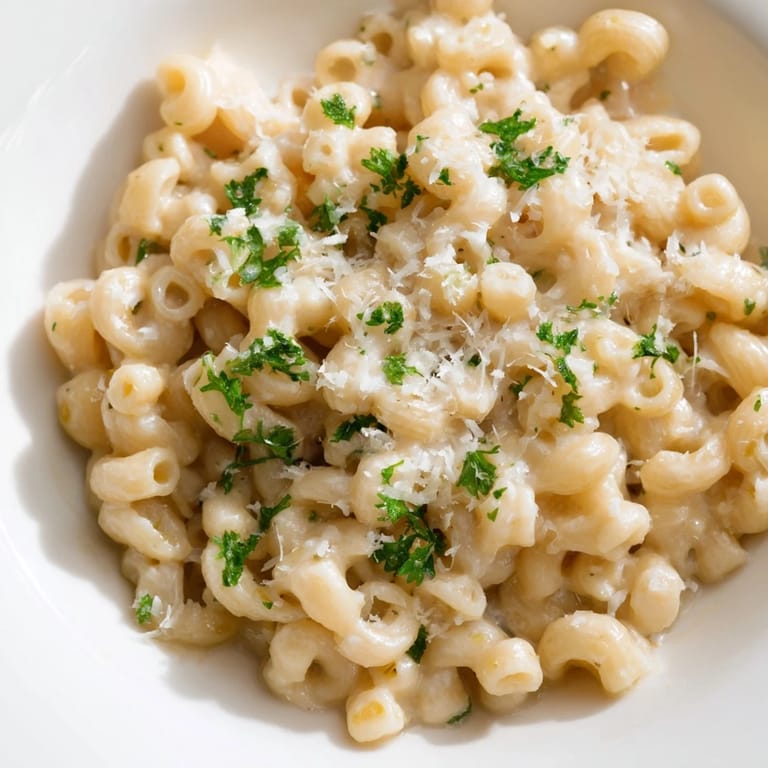
Save There's something about a weeknight when the kitchen smells like golden garlic and butter that makes everything feel a little less hectic. I discovered this creamy ditalini pasta on an ordinary Tuesday when I had half-and-half instead of heavy cream on hand and decided to work with what was there. The result was lighter, silkier, and somehow more elegant than I expected—the kind of dish that tastes like comfort but doesn't weigh you down afterward.
I made this for a small dinner party once, and my friend who usually orders takeout asked for the recipe before dessert arrived. That moment—when someone realizes homemade food can be this easy—never gets old.
Ingredients
- Ditalini pasta (300 g): These tiny, tube-shaped noodles are perfect for catching pockets of creamy sauce, but any small pasta shape works beautifully in a pinch.
- Olive oil (1 tablespoon): Use a good quality oil you actually enjoy—it's one of the few ingredients you taste directly.
- Fresh garlic (4 cloves, minced): Don't skip the fresh stuff; jarred garlic turns bitter once cooked, and this dish lives or dies by clean, sweet garlic flavor.
- All-purpose flour (2 tablespoons): This creates the roux that thickens the sauce, so don't substitute or skip it.
- Half-and-half (480 ml): The star player—it's rich enough to coat the pasta but light enough that you won't feel like you need a nap afterward.
- Vegetable broth (60 ml): Use low-sodium so you control the saltiness; it also keeps the sauce from being too heavy.
- Parmesan cheese (40 g, grated): Freshly grated makes a real difference in texture and melting, so avoid the pre-grated stuff if you can.
- Salt and black pepper: Taste as you go—everyone's preference for seasoning varies, and this dish is forgiving.
- Red pepper flakes (pinch, optional): A tiny spark of heat that wakes up the whole dish without making it spicy.
- Fresh parsley (2 tablespoons, chopped): The bright green garnish does more than look pretty; it cuts through the richness with a fresh note.
Tired of Takeout? 🥡
Get 10 meals you can make faster than delivery arrives. Seriously.
One email. No spam. Unsubscribe anytime.
Instructions
- Get the pasta started:
- Bring a large pot of salted water to a boil and cook the ditalini until al dente according to package directions. Before draining, reserve half a cup of pasta water—this liquid gold is your safety net if the sauce gets too thick later.
- Build the garlic base:
- While pasta cooks, warm olive oil in a skillet over medium heat and add minced garlic. You'll know it's ready when the smell becomes intense and toasty, usually 1 to 2 minutes. Don't let it brown or it turns bitter and you'll need to start over.
- Make the roux:
- Sprinkle flour into the garlic oil and stir constantly for about a minute. You're cooking out the raw flour taste and creating a paste that will thicken your sauce—don't skip this step or you'll end up with a thin, grainy result.
- Create the creamy sauce:
- Slowly whisk in the half-and-half and vegetable broth, moving steadily to avoid lumps. Keep whisking for 3 to 4 minutes until the mixture thickens and coats the back of a spoon—you'll see the transformation happen before your eyes.
- Season and finish:
- Stir in Parmesan, salt, pepper, and a pinch of red pepper flakes if you like. Let it simmer gently for 2 more minutes to let the flavors marry together and the cheese melt completely.
- Bring it together:
- Add the drained pasta to the sauce and toss until every piece is coated. If it looks too thick, add pasta water a tablespoon at a time until you reach that perfect creamy consistency that clings to each pasta tube.
- Plate and serve:
- Remove from heat immediately so nothing overcooks, then divide into bowls and top with fresh parsley and extra Parmesan. Serve right away while everything is warm and silky.
 Save
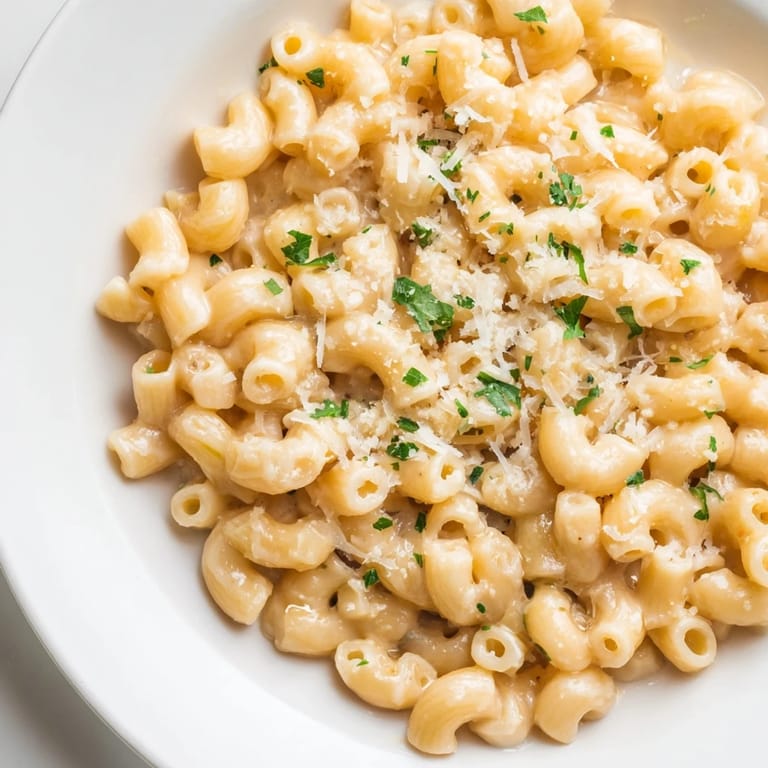
Save I learned the power of pasta water the hard way—made this dish once without thinking and ended up with sauce that broke when it sat for even five minutes. Now I see that reserved starch as the secret ingredient that keeps everything silky and stable.
Why This Works as a Weeknight Dinner
The beauty of this dish is that it requires no advanced techniques or rare ingredients, just careful attention while the sauce comes together. You're essentially making an Italian béchamel and pairing it with tiny pasta—both things home cooks have been doing for generations. What makes it feel special is the emphasis on fresh garlic and quality ingredients like real Parmesan, which elevate something simple into something memorable.
Variations Worth Trying
Once you master the base, this pasta becomes a canvas for additions. I've stirred in sautéed mushrooms when I wanted something earthier, added rotisserie chicken for protein on nights I was hungrier, and even threw in frozen peas and a pinch of nutmeg to make it feel more like a creamy vegetable dish. Each time it comes together in the same amount of time, so there's room to play without the dinner getting complicated.
The Right Way to Serve It
This pasta is best served immediately, straight from the stove into warm bowls—hesitation or reheating dries out the sauce and makes the pasta begin to absorb too much liquid. If you're cooking for guests, you can make the sauce ahead and warm it gently while the pasta cooks, but bring it all together right at the end. The meal pairs beautifully with a simple green salad to cut the richness and a crisp white wine like Pinot Grigio if you're in the mood.
- Always taste and season at the end, not just at the beginning—salt doesn't distribute evenly until everything combines.
- If you're feeding picky eaters, leave the red pepper flakes off and let people add heat to their own bowl.
- Freshly grated nutmeg—just a whisper—can be added to the sauce if you want it to feel a touch more elegant without changing the fundamental character of the dish.
 Save
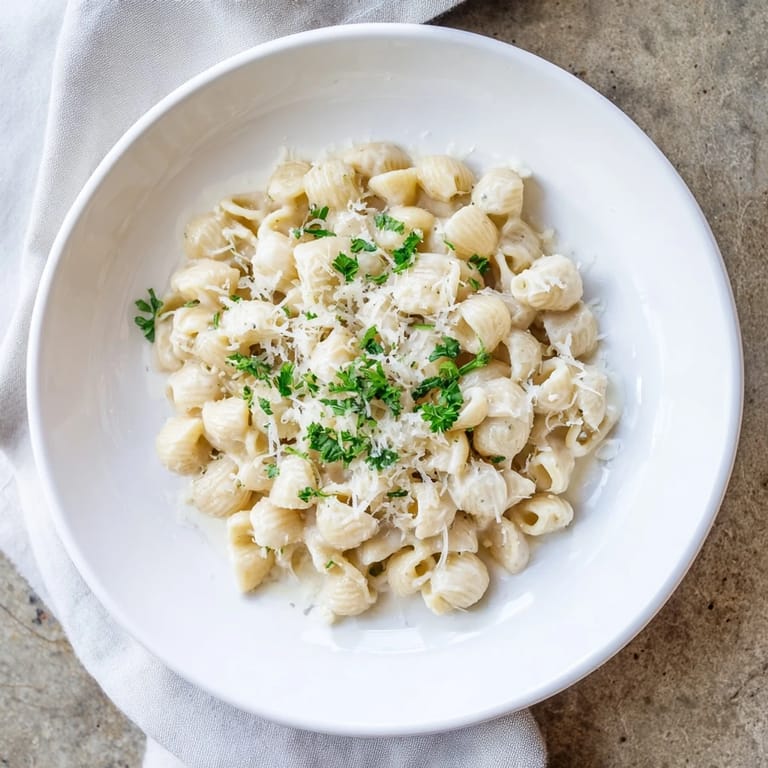
Save This is the kind of dish that deserves a spot in your regular rotation, not as a special occasion meal but as the kind of thing you make on ordinary days when you want to feel cared for. It's proof that simple ingredients treated with respect can be just as nourishing and delicious as anything fancier.
Recipe FAQs
- → What type of pasta is used in this dish?
Ditalini pasta, a small tubular variety, is used to perfectly hold the creamy garlic sauce.
- → How is the creamy sauce thickened?
The sauce is thickened by making a roux with flour and olive oil before gradually whisking in half-and-half and vegetable broth.
- → Can the sauce be made lighter without losing creaminess?
Half-and-half replaces heavy cream to create a lighter yet still creamy and flavorful sauce.
- → What adds flavor depth to the sauce besides garlic?
Grated Parmesan cheese, salt, black pepper, and optional red pepper flakes contribute layers of savory and subtle heat.
- → How can the sauce consistency be adjusted?
Reserved pasta water can be added gradually to thin the sauce to your preferred consistency while maintaining silkiness.
- → Are there suggested additions for more protein?
Cooked chicken or sautéed mushrooms can be incorporated to increase protein content.